

What's inside
What's inside
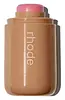 Key Ingredients
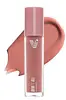
No key ingredients
Benefits
Concerns
Ingredients Side-by-side
Octyldodecanol
Emollient
Synthetic Wax
Abrasive

Hydrogenated Polyisobutene
EmollientCetyl Ethylhexanoate
EmollientPolyglyceryl-2 Triisostearate
Emulsifying

Hydrogenated Poly(C6-14 Olefin)
EmollientBis-Diglyceryl Polyacyladipate-2
Emollient
Kaolin
Abrasive


Silica
Abrasive
Magnesium/Potassium/Silicon/Fluoride/Hydroxide/Oxide
Glycerin
Humectant

Calophyllum Inophyllum Seed Oil
Antimicrobial



Palmitoyl Tripeptide-1
Skin Conditioning


Palmitoyl Tripeptide-5
Skin Conditioning
Caprylyl Glycol
Emollient
Caprylic/Capric Triglyceride
Masking
Glyceryl Caprylate
EmollientPentaerythrityl Tetraisostearate
Emollient
Aluminum Hydroxide
EmollientTriethoxycaprylylsilane

Water
Skin ConditioningPropylene Carbonate
SolventLauryl Polyglyceryl-3 Polydimethylsiloxyethyl Dimethicone
Skin Conditioning
Stearalkonium Hectorite
Gel FormingEthylhexylglycerin
Skin ConditioningCI 77891
Cosmetic ColorantIron Oxides
CI 45410
Cosmetic ColorantCI 42090
Cosmetic ColorantOctyldodecanol, Synthetic Wax, Hydrogenated Polyisobutene, Cetyl Ethylhexanoate, Polyglyceryl-2 Triisostearate, Hydrogenated Poly(C6-14 Olefin), Bis-Diglyceryl Polyacyladipate-2, Kaolin, Silica, Magnesium/Potassium/Silicon/Fluoride/Hydroxide/Oxide, Glycerin, Calophyllum Inophyllum Seed Oil, Palmitoyl Tripeptide-1, Palmitoyl Tripeptide-5, Caprylyl Glycol, Caprylic/Capric Triglyceride, Glyceryl Caprylate, Pentaerythrityl Tetraisostearate, Aluminum Hydroxide, Triethoxycaprylylsilane, Water, Propylene Carbonate, Lauryl Polyglyceryl-3 Polydimethylsiloxyethyl Dimethicone, Stearalkonium Hectorite, Ethylhexylglycerin, CI 77891, Iron Oxides, CI 45410, CI 42090
Hydrogenated Polydecene
EmollientCetyl Ethylhexanoate
EmollientIsododecane
EmollientCyclopentasiloxane
Emollient
Trimethylsiloxysilicate
Emollient
Caprylic/Capric Triglyceride
Masking
Polyisobutene
Hydrogenated Styrene/Isoprene Copolymer
Silica Dimethyl Silylate
EmollientStearalkonium Bentonite
Gel FormingPropylene Carbonate
SolventMica
Cosmetic ColorantTitanium Dioxide
Cosmetic Colorant

Iron Oxides
CI 15850
Cosmetic ColorantPreservatives
Phenoxyethanol
Preservative
Ethylhexylglycerin
Skin ConditioningPolyhydroxystearic Acid
Emulsifying
Parfum
Masking



Hydrogenated Polydecene, Cetyl Ethylhexanoate, Isododecane, Cyclopentasiloxane, Trimethylsiloxysilicate, Caprylic/Capric Triglyceride, Polyisobutene, Hydrogenated Styrene/Isoprene Copolymer, Silica Dimethyl Silylate, Stearalkonium Bentonite, Propylene Carbonate, Mica, Titanium Dioxide, Iron Oxides, CI 15850, Preservatives, Phenoxyethanol, Ethylhexylglycerin, Polyhydroxystearic Acid, Parfum
Reviews
Ingredients Explained
These ingredients are found in both products.
Ingredients higher up in an ingredient list are typically present in a larger amount.
Caprylic/Capric Triglyceride (aka MCT Oil) is a lightweight emollient, solvent, and texture enhancer. It is considered a skin-softener by helping to prevent moisture loss.
Though it behaves like an oil, it is not technically one due to its chemical composition. One perk of this ingredient is that it is very stable, resistant to oxidation, and unlikely to go rancid.
In practice, that translates to a long shelf life and a consistently elegant skin feel.
While there is an assumption Caprylic Triglyceride can clog pores due to it being derived from coconut oil, there is no research supporting this. Just patch test if you have concerns.
Fractionated coconut oil and MCT Oil are both listed as Caprylic/Capric Triglyceride according to INCI. This is because INCI names are based on the ingredient’s final chemical composition and not its marketing name or source.
This ingredient is treated as the gold standard fungal acne safe oil. Even though it is coconut derived, the problematic lauric acid is stripped out.
This leaves just caprylic (C8) and capric (C10) acid. These chain lengths actually trend antifungal; a 2020 study found caprylic acid was enough to disrupt Malassezia furfur cell membrane, with a caprylic acid derivative damaging membrane structures at concentrations as low as 0.2%.
Learn more about Caprylic/Capric TriglycerideCetyl Ethylhexanoate is an emollient ester. It comes from cetearyl alcohol and 2-ethylhexanoic acid.
Cetyl Ethylhexanoate is an emollient that adds a velvety feel to skin without being greasy or oily. Emollients help trap moisture into your skin, keeping your skin soft and hydrated.
Ethylhexylglycerin is created from glycerin. It is a multitasker ingredient that:
The CIR Expert Panel found minimal skin absorption or sensitization of any kind in a safety assessment. Though this ingredient is considered well-tolerated, a small number of cases of allergic dermatitis have been published since 2002. Just be sure to patch test if you are unsure.
Industry-reported use ranges from 8% in rinse-off products and 2% in leave-on formulations.
Learn more about EthylhexylglycerinThis ingredient is a solvent. It helps dissolve active ingredients and alter the texture of products.
Propylene Carbonate is commonly used in makeup and with clay, such as montmorillonite or bentonite.
Studies show this ingredient to be safe for cosmetics. When it is undiluted, it can cause skin irritation. (It is always diluted in skincare and makeup). This ingredient is water-soluble.
Propylene Carbonate is created from propylene glycol and carbonic acid.
Learn more about Propylene CarbonateThis ingredient is a combination of red, black, and yellow iron oxide pigments. This combination of colors is usually found in foundation, because it results in a "skin" color.
The EU typically uses CI numbers for colorants when applicable, such as CI 77489. In the US, iron oxides are regulated as color additives and "iron oxides" is the most commonly used name in US cosmetic practice.
A 2021 paper looked at skincare formulations containing iron oxides and found that they reduced transmission of blue light when measured optically. In simple terms, the pigment particles helped block or scatter part of the visible light spectrum in lab testing and the authors suggest this could translate into better protection against blue-light-related skin effects.
There is also clinical and experimental research showing that tinted products containing iron oxides can reduce visible light-induced pigmentation:
Please note, whether a product reduces visible or blue light depends on things like:
In the EU's CosIng database, iron oxides are only listed as a colorant. CosIng groups ingredients by their main cosmetic role, such as colorant, preservative, or UV filter.
Though studies say iron oxides can "attenuate blue light", they're describing an optical property and not an officially recognized cosmetic function.
So CosIng isn’t contradicting the research. It’s just classifying iron oxides by what they officially are: pigments that add color.
Learn more about Iron Oxides

