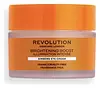
This brightening eye moisturizer is formulated around Niacinamide and Panax Ginseng Root Extract to brighten dull-looking skin and hydrate skin.
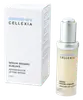
This anti-aging eye moisturizer is formulated around Squalane and Palmitoyl Tripeptide-1 to soften the look of wrinkles and hydrate skin.


What's inside
What's inside
 Key Ingredients
Benefits
Concerns
Ingredients Side-by-side
Water
Skin ConditioningButyrospermum Parkii Butter
Skin Conditioning






Butylene Glycol
Humectant
Propanediol
Solvent
Glycerin
Humectant
Cyclopentasiloxane
Emollient
Dimethicone
Emollient
Niacinamide
Smoothing









Stearic Acid
Cleansing
Cetearyl Alcohol
Emollient

Phenoxyethanol
Preservative
Xanthan Gum
EmulsifyingPolyacrylamide
C13-14 Isoparaffin
Emollient
Polysilicone-11
Ethylhexylglycerin
Skin ConditioningLaureth-7
EmulsifyingPanax Ginseng Root Extract
Emollient
Mica
Cosmetic ColorantPotassium Sorbate
Preservative
Sodium Benzoate
Masking
CI 77163
Cosmetic Colorant
CI 77491
Cosmetic ColorantCI 77891
Cosmetic ColorantWater, Butyrospermum Parkii Butter, Butylene Glycol, Propanediol, Glycerin, Cyclopentasiloxane, Dimethicone, Niacinamide, Stearic Acid, Cetearyl Alcohol, Phenoxyethanol, Xanthan Gum, Polyacrylamide, C13-14 Isoparaffin, Polysilicone-11, Ethylhexylglycerin, Laureth-7, Panax Ginseng Root Extract, Mica, Potassium Sorbate, Sodium Benzoate, CI 77163, CI 77491, CI 77891
Water
Skin ConditioningCyclopentasiloxane
Emollient
Polysilicone-11
Squalane
Emollient
Glycerin
Humectant
Xylitylglucoside
Humectant
Anhydroxylitol
Humectant
Xylitol
Humectant
Butylene Glycol
Humectant
Hydroxyethyl Acrylate/Sodium Acryloyldimethyl Taurate Copolymer
Emulsion StabilisingAllantoin
Skin Conditioning
Polysorbate 60
Emulsifying
Propanediol
Solvent
Lycium Barbarum Fruit Extract
Astringent
Aminobutyric Acid
Centella Asiatica Extract
Cleansing
Panax Ginseng Root Extract
Emollient
Portulaca Oleracea Extract
Skin Conditioning
Ethoxydiglycol
HumectantPhenoxyethanol
Preservative
Dimethiconol
Emollient
Ethylhexylglycerin
Skin ConditioningSodium Benzoate
Masking
Pentylene Glycol
Skin Conditioning
Cucurbitaceae Extract
Skin ConditioningCarbomer
Emulsion StabilisingLactococcus Ferment Lysate
Skin Conditioning
Palmitoyl Hexapeptide-14
Skin Conditioning
CI 77120
Cosmetic ColorantLactobacillus/Brassica Nigra Seed Ferment Extract
Skin ConditioningPalmitoyl Tripeptide-1
Skin Conditioning
Palmitoyl Tetrapeptide-7
Skin Conditioning
Polysorbate 20
Emulsifying
Tocopherol
Antioxidant

Benzyl Alcohol
Perfuming




Water, Cyclopentasiloxane, Polysilicone-11, Squalane, Glycerin, Xylitylglucoside, Anhydroxylitol, Xylitol, Butylene Glycol, Hydroxyethyl Acrylate/Sodium Acryloyldimethyl Taurate Copolymer, Allantoin, Polysorbate 60, Propanediol, Lycium Barbarum Fruit Extract, Aminobutyric Acid, Centella Asiatica Extract, Panax Ginseng Root Extract, Portulaca Oleracea Extract, Ethoxydiglycol, Phenoxyethanol, Dimethiconol, Ethylhexylglycerin, Sodium Benzoate, Pentylene Glycol, Cucurbitaceae Extract, Carbomer, Lactococcus Ferment Lysate, Palmitoyl Hexapeptide-14, CI 77120, Lactobacillus/Brassica Nigra Seed Ferment Extract, Palmitoyl Tripeptide-1, Palmitoyl Tetrapeptide-7, Polysorbate 20, Tocopherol, Benzyl Alcohol
Reviews
Ingredients Explained
These ingredients are found in both products.
Ingredients higher up in an ingredient list are typically present in a larger amount.
Butylene Glycol (or BG) is used within cosmetic products for a few different reasons:
Overall, Butylene Glycol is a safe and well-rounded ingredient that works well with other ingredients.
Though this ingredient works well with most skin types, some people with sensitive skin may experience a reaction such as allergic rashes, closed comedones, or itchiness.
Learn more about Butylene GlycolCyclopentasiloxane (D5) is a lightweight silicone that mostly acts as an emollient and solvent in cosmetics. Its the reason your products feel silky, fast-spreading, and non-greasy.
Since D5 is volatile, it does its thing and then evaporates off the skin quickly.
The safety profile of this ingredient is reassuring; the US CIR Expert Panel concluded D5 is safe as used in cosmetics and Health Canada concluded that D5 is not harmful to human health or the environment as currently used in cosmetics
There's a study that people mention about D5 in a rat study showing tumors. This study is related to long-term inhalation of high D5 levels.
Regulatory bodies have judged this study to be not applicable in topical skincare since skin absorption of D5 is very low and we're not really inhaling huge amounts of D5.
The only restriction for this ingredient is environmental. The European Chemicals Agency (ECHA) restricted D5 in wash-off cosmetics at or above 0.1% due to their persistence in water.
Learn more about CyclopentasiloxaneEthylhexylglycerin is created from glycerin. It is a multitasker ingredient that:
The CIR Expert Panel found minimal skin absorption or sensitization of any kind in a safety assessment. Though this ingredient is considered well-tolerated, a small number of cases of allergic dermatitis have been published since 2002. Just be sure to patch test if you are unsure.
Industry-reported use ranges from 8% in rinse-off products and 2% in leave-on formulations.
Learn more about EthylhexylglycerinGlycerin (or glycerol) is a compound naturally found in your skin. It's a powerhouse humectant that pulls water into the stratum corneum.
Topically, glycerin does several things at once:
Your skin makes glycerin on its own (mostly from sebaceous oil breakdown) and shuttles it to your outermost layer of skin, or your epidermis, via aquaporin-3.
Aquaporin-3 is a transporter that is essential for normal skin hydration, elasticity, and repair. Interestingly, mice lacking in AQP3 have dry and less elastic skin that can be fully corrected with glycerin.
This ingredient is non-irritating, plays well with almost every ingredient, and works across all skin types. Typical use is anywhere between 3-10% but can go up to 79% in some leave-on products.
Just know very high concentrations (>40%) can feel tacky in low humidity.
Glycerin is the name for this ingredient in American English. British English uses Glycerol/Glycerine.
Learn more about GlycerinGinseng root is a well-loved ingredient in Asian skincare for good reason. It hydrates the skin, soothes irritation, and helps even out skin tone.
In traditional East Asian medicine, ginseng has been used for centuries both as food and as a healing remedy, and modern research continues to confirm its skin benefits.
One of the standout features of ginseng is its ability to improve blood circulation and oxygen delivery to the skin, bringing a fresh supply of nutrients to support overall skin health. It also has antioxidant and anti-inflammatory properties. This helps to protect your skin against damage from UV exposure, pollution, and daily stress.
Additionally, studies suggest that ginseng may help reduce hyperpigmentation by inhibiting tyrosinase, the enzyme involved in melanin production.
There are different types of ginseng used in skincare, and while they all share core benefits, their potency can vary.
Most products use fresh or white ginseng because it’s more affordable. However, red ginseng, produced by steaming the root, contains higher levels of ginsenosides, which are compounds with proven anti-aging effects. These ginsenosides help reduce the appearance of wrinkles and improve skin elasticity.
Note: All forms of ginseng are listed simply as “Panax ginseng” in ingredient lists. We recommend reaching out to the brand if you have questions about which type of ginseng is used in their ingredients.
For general antioxidant benefits, any ginseng extract will do, but for wrinkle care or firmer skin, red or fermented ginseng is often more effective.
In short, ginseng is a powerhouse ingredient that supports hydration, radiance, and resilience.
Learn more about Panax Ginseng Root ExtractPhenoxyethanol is one of the most widely used preservatives in skincare (and for good reason!).
It has a large spectrum of antimicrobial activity and especially effective bacteria, yeast, and mold while only having a weak effect on your skin's natural microbiome.
On a cellular level, it disrupts the cell membranes of microbes by poking holes that make the cell leak. This shuts down the chemical reactions the microbe needs to make energy so it can no longer survive.
Another perk of this ingredient is that it stays functional across a wide pH range (3-10).
You'll often see it paired with boosters like Ethylhexylglycerin; one study showed that a 1:9 ratio of Ethylhexylglycerin to Phenoxyethanol damages bacterial membranes as effectively as doubling the Phenoxyethanol concentration on its own.
Typical use concentrations range from 0.3-1% depending on the formula, and this ingredient is capped at 1% int the EU.
Safety-wise, the fear mongering does not hold up to the evidence. The EU's Scientific Committee on Consumer Safety and FDA consider it safe as a preservative at up to 1%, including for children of all ages.
Adverse systemic effects only showed up in animal studies at exposures roughly 200x higher than what people get from cosmetics. And despite its very widespread use, this ingredient is a rare sensitizer and allergic reactions are uncommon.
Learn more about PhenoxyethanolPolysilicone-11 is a film-forming silicone that creates a non-tacky and matte finish on the skin. It's commonly used to improve texture, absorb excess oil, and help active ingredients spread evenly.
Due to its "rubber-like" structure, it stays on the skin's surface instead of being absorbed. On the skin, it creates a flexible layer that enhances wearability and stability.
Propanediol is an all-star ingredient. It softens, hydrates, and smooths the skin.
It’s often used to:
Propanediol is not likely to cause sensitivity and considered safe to use. It is derived from corn or petroleum with a clear color and no scent.
Learn more about PropanediolSodium Benzoate is a preservative. It's used in both cosmetic and food products to inhibit the growth of mold and bacteria. It is typically produced synthetically.
Both the US FDA and EU Health Committee have approved the use of sodium benzoate. In the US, levels of 0.1% (of the total product) are allowed.
Sodium benzoate works as a preservative by inhibiting the growth of bacteria inside of cells. It prevents the cell from fermenting a type of sugar using an enzyme called phosphofructokinase.
It is the salt of benzoic acid. Foods containing sodium benzoate include soda, salad dressings, condiments, fruit juices, wines, and snack foods.
Studies for using ascorbic acid and sodium benzoate in cosmetics are lacking, especially in skincare routines with multiple steps.
We always recommend speaking with a professional, such as a dermatologist, if you have any concerns.
Learn more about Sodium BenzoateWater. It's the most common cosmetic ingredient of all. You'll usually see it at the top of ingredient lists, meaning that it makes up the largest part of the product.
So why is it so popular? Water most often acts as a solvent - this means that it helps dissolve other ingredients into the formulation.
You'll also recognize water as that liquid we all need to stay alive. If you see this, drink a glass of water. Remember to stay hydrated!
Learn more about Water

