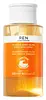
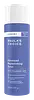
REN Clean Skincare Ready Steady Glow Daily AHA Tonic Versus Paula's Choice Resist Advanced Replenishing Toner
This smoothing toner is formulated around Lactic Acid and Potassium Azeloyl Diglycinate to refine skin texture and brighten dull-looking skin.
This barrier-repair toner is formulated around Linoleic Acid and Phospholipids to strengthen the skin barrier and hydrate skin.


What's inside
What's inside
 Key Ingredients
Benefits
Concerns
Ingredients Side-by-side
Water
Skin ConditioningSodium Lactate
Buffering
Lactic Acid
Buffering










Heptyl Glucoside
SurfactantPotassium Azeloyl Diglycinate
Skin Conditioning


Triethyl Citrate
Masking

Glyceryl Caprylate
EmollientSalix Nigra Bark Extract
Skin ProtectingBenzoic Acid
Masking
Citrus Nobilis Peel Oil
Masking
Citrus Aurantium Dulcis Flower Oil
Astringent
Citrus Grandis Peel Oil
Masking

Citrus Tangerina Peel Oil
Masking
Heptanol
Perfuming
Parfum
Masking
Limonene
Perfuming
Water, Sodium Lactate, Lactic Acid, Heptyl Glucoside, Potassium Azeloyl Diglycinate, Triethyl Citrate, Glyceryl Caprylate, Salix Nigra Bark Extract, Benzoic Acid, Citrus Nobilis Peel Oil, Citrus Aurantium Dulcis Flower Oil, Citrus Grandis Peel Oil, Citrus Tangerina Peel Oil, Heptanol, Parfum, Limonene
Water
Skin ConditioningCyclopentasiloxane
Emollient
Glycerin
Humectant
Glycereth-26
Humectant
Polysorbate 20
Emulsifying
Dimethiconol
Emollient
Linoleic Acid
Cleansing
Oleic Acid
Emollient

Linolenic Acid
Cleansing
Phospholipids
Skin Conditioning
Carnosine
Skin Conditioning
Epigallocatechin Gallate
Antioxidant
Genistein
Skin ConditioningSodium Hyaluronate
Humectant
Sphingolipids
Emollient
Ferulic Acid
Antimicrobial
Laurdimonium Hydroxypropyl Hydrolyzed Soy Protein
Glycyrrhiza Glabra Root Extract
Bleaching
Acetyl Glucosamine
Skin Conditioning
Quercetin
Antioxidant
Oenothera Biennis Oil
Emollient
Beta Vulgaris Root Extract
Skin ConditioningCucurbita Pepo Seed Extract
Skin ConditioningLecithin
Emollient
Caprylic/Capric Triglyceride
Masking
Hydrolyzed Corn Starch
HumectantHydrogenated Lecithin
Emulsifying
Palmitic Acid
Emollient
Butylene Glycol
Humectant
Acrylates/C10-30 Alkyl Acrylate Crosspolymer
Emulsion StabilisingXanthan Gum
EmulsifyingLaureth-23
Cleansing
Laureth-4
Emulsifying
Aminomethyl Propanol
BufferingDisodium EDTA
ChelatingSodium Benzoate
Masking
Ethylhexylglycerin
Skin ConditioningPhenoxyethanol
Preservative
Chlorphenesin
Antimicrobial
Benzoic Acid
Masking
Sorbic Acid
Preservative
Water, Cyclopentasiloxane, Glycerin, Glycereth-26, Polysorbate 20, Dimethiconol, Linoleic Acid, Oleic Acid, Linolenic Acid, Phospholipids, Carnosine, Epigallocatechin Gallate, Genistein, Sodium Hyaluronate, Sphingolipids, Ferulic Acid, Laurdimonium Hydroxypropyl Hydrolyzed Soy Protein, Glycyrrhiza Glabra Root Extract, Acetyl Glucosamine, Quercetin, Oenothera Biennis Oil, Beta Vulgaris Root Extract, Cucurbita Pepo Seed Extract, Lecithin, Caprylic/Capric Triglyceride, Hydrolyzed Corn Starch, Hydrogenated Lecithin, Palmitic Acid, Butylene Glycol, Acrylates/C10-30 Alkyl Acrylate Crosspolymer, Xanthan Gum, Laureth-23, Laureth-4, Aminomethyl Propanol, Disodium EDTA, Sodium Benzoate, Ethylhexylglycerin, Phenoxyethanol, Chlorphenesin, Benzoic Acid, Sorbic Acid
Reviews
Alternatives
Ingredients Explained
These ingredients are found in both products.
Ingredients higher up in an ingredient list are typically present in a larger amount.
Benzoic Acid is an organic acid that shows up in cosmetics as a preservative. It helps keep a product from spoiling by holding back the growth of yeast, mold, and some bacteria.
This ingredient also functions as a fragrance ingredient that helps mask the unpleasant scent of other ingredients.
The way it works is worth understanding; benzoic acid works when the formula is acidic. It is able to sneak into a microbe's cell and mess up how it functions to stop it from growing in an acidic product.
However, the acid switches to an inactive form and stops working if a product isn't acidic enough (above ~5 pH). This is why you'll often see it in low pH products or teamed up with other preservatives to cover the gap.
Safety wise, it's one of the better studied preservatives out there.
The Cosmetic Ingredient Review Expert Panel has concluded this ingredient to be safe for use in cosmetic formulations at concentrations up to 5%.
A large international review found this ingredient had no effects on the human body and had low irritation potential.
Just so you know, real world use is usually much lower than the 5% ceiling (usually 1% of less).
The EU caps it at 2.5% in rinse-off products, 1.7% in oral care, and 0.5% in leave-on products.
One thing worth mentioning (it's nothing to worry about): some people get a little stinging or flushing where they apply it. This isn't a true allergy; it's a temporary and harmless reaction. This is the same kind of mild tingle you might notice from sorbic acid.
Learn more about Benzoic AcidWater. It's the most common cosmetic ingredient of all. You'll usually see it at the top of ingredient lists, meaning that it makes up the largest part of the product.
So why is it so popular? Water most often acts as a solvent - this means that it helps dissolve other ingredients into the formulation.
You'll also recognize water as that liquid we all need to stay alive. If you see this, drink a glass of water. Remember to stay hydrated!
Learn more about Water

