
What's inside
What's inside
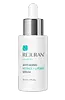 Key Ingredients
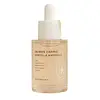
Benefits
Concerns
No concerns
Ingredients Side-by-side
Aloe Barbadensis Leaf Juice
Skin Conditioning


Rubus Villosus Fruit Extract
AstringentVaccinium Angustifolium Fruit Extract
Skin Protecting
Morus Nigra Leaf Extract
Skin ConditioningCucumis Sativus Fruit Extract
Emollient
Daucus Carota Sativa Root
Skin ConditioningCalendula Officinalis Flower
Skin Conditioning
Caprylic/Capric Triglyceride
Masking
Citrus Aurantium Dulcis Peel Extract
Emulsion Stabilising
Borago Officinalis Seed Oil
Emollient

Panthenol
Skin Conditioning
Glycerin
Humectant
Argania Spinosa Kernel Oil
Emollient
Sodium Ascorbyl Phosphate
Antioxidant



Allantoin
Skin Conditioning
Hydrolyzed Dna
Skin ConditioningAdenosine
Skin Conditioning
Retinol
Skin Conditioning



Palmitoyl Tripeptide-38
Skin Conditioning
Xanthan Gum
EmulsifyingHydroxyethylcellulose
Emulsion StabilisingCarbomer
Emulsion StabilisingDimethicone
Emollient
1,2-Hexanediol
Skin Conditioning
Ethylhexylglycerin
Skin ConditioningAloe Barbadensis Leaf Juice, Rubus Villosus Fruit Extract, Vaccinium Angustifolium Fruit Extract, Morus Nigra Leaf Extract, Cucumis Sativus Fruit Extract, Daucus Carota Sativa Root, Calendula Officinalis Flower, Caprylic/Capric Triglyceride, Citrus Aurantium Dulcis Peel Extract, Borago Officinalis Seed Oil, Panthenol, Glycerin, Argania Spinosa Kernel Oil, Sodium Ascorbyl Phosphate, Allantoin, Hydrolyzed Dna, Adenosine, Retinol, Palmitoyl Tripeptide-38, Xanthan Gum, Hydroxyethylcellulose, Carbomer, Dimethicone, 1,2-Hexanediol, Ethylhexylglycerin
Centella Asiatica Leaf Water
Skin Conditioning
Butylene Glycol
Humectant
Water
Skin ConditioningPropanediol
Solvent
1,2-Hexanediol
Skin Conditioning
Glycerin
Humectant
Sodium Dna
Skin Conditioning
Salmon Egg Extract
Madecassoside
Antioxidant
Portulaca Oleracea Water
Skin ConditioningPersea Gratissima Fruit Extract
EmollientMaltodextrin
Absorbent
Hyaluronic Acid
Humectant
Hydrolyzed Hyaluronic Acid
Humectant
Theobroma Cacao Extract
Skin ConditioningChenopodium Quinoa Seed Extract
Skin ConditioningHydrolyzed Wheat Protein
Skin ConditioningBetaine
Humectant
Dextrin
AbsorbentSodium Hyaluronate
Humectant
Carbomer
Emulsion StabilisingEthylhexylglycerin
Skin ConditioningAmmonium Acryloyldimethyltaurate/Vp Copolymer
Tromethamine
BufferingDisodium EDTA
Centella Asiatica Leaf Water, Butylene Glycol, Water, Propanediol, 1,2-Hexanediol, Glycerin, Sodium Dna, Salmon Egg Extract, Madecassoside, Portulaca Oleracea Water, Persea Gratissima Fruit Extract, Maltodextrin, Hyaluronic Acid, Hydrolyzed Hyaluronic Acid, Theobroma Cacao Extract, Chenopodium Quinoa Seed Extract, Hydrolyzed Wheat Protein, Betaine, Dextrin, Sodium Hyaluronate, Carbomer, Ethylhexylglycerin, Ammonium Acryloyldimethyltaurate/Vp Copolymer, Tromethamine, Disodium EDTA
Reviews
Ingredients Explained
These ingredients are found in both products.
Ingredients higher up in an ingredient list are typically present in a larger amount.
1,2-Hexanediol is a synthetic liquid and another multi-functional powerhouse.
It is a:
- Humectant, drawing moisture into the skin
- Emollient, helping to soften skin
- Solvent, dispersing and stabilizing formulas
- Preservative booster, enhancing the antimicrobial activity of other preservatives
Carbomer is a polymer of acrylic acid. Its main role is to create a gel consistency.
A high amount of carbomer can cause pilling or balling up of products. Don't worry, most products contain 1% or less of carbomer.
Ethylhexylglycerin (we can't pronounce this either) is commonly used as a preservative and skin softener. It is derived from glyceryl.
You might see Ethylhexylglycerin often paired with other preservatives such as phenoxyethanol. Ethylhexylglycerin has been found to increase the effectiveness of these other preservatives.
Glycerin is already naturally found in your skin. It helps moisturize and protect your skin.
A study from 2016 found glycerin to be more effective as a humectant than AHAs and hyaluronic acid.
As a humectant, it helps the skin stay hydrated by pulling moisture to your skin. The low molecular weight of glycerin allows it to pull moisture into the deeper layers of your skin.
Hydrated skin improves your skin barrier; Your skin barrier helps protect against irritants and bacteria.
Glycerin has also been found to have antimicrobial and antiviral properties. Due to these properties, glycerin is often used in wound and burn treatments.
In cosmetics, glycerin is usually derived from plants such as soybean or palm. However, it can also be sourced from animals, such as tallow or animal fat.
This ingredient is organic, colorless, odorless, and non-toxic.
Glycerin is the name for this ingredient in American English. British English uses Glycerol/Glycerine.
Learn more about Glycerin
