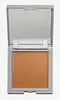
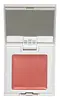
REFY Cream Bronzer Versus REFY Cream Blush

What's inside
What's inside
 Key Ingredients
Benefits
Concerns
No concerns
Ingredients Side-by-side
Ethylhexyl Palmitate
Emollient


Titanium Dioxide
Cosmetic Colorant

Caprylyl Methicone
Skin Conditioning
C10-18 Triglycerides
Emollient
Methyl Methacrylate Crosspolymer

Mica
Cosmetic ColorantPolysilicone-11
Silica
Abrasive

Cera Microcristallina
Emulsion StabilisingSynthetic Wax
Abrasive
Cyclopentasiloxane
Emollient
Alumina
Abrasive
Pentaerythrityl Tetrabehenate
EmollientCaprylic/Capric Triglyceride
Masking


Tridecyl Trimellitate
EmollientButyloctyl Salicylate
Skin Conditioning
Lauryl PEG-10 Tris(Trimethylsiloxy)Silylethyl Dimethicone
Emulsifying
Paraffin
Perfuming
Polymethylsilsesquioxane
Tristearin
Skin ConditioningPhenoxyethanol
Preservative
Aluminum Hydroxide
EmollientTriisostearyl Citrate
EmollientMagnesium Myristate
Triethoxycaprylylsilane
Ethylhexylglycerin
Skin ConditioningLaureth-12
EmulsifyingJojoba Esters
Emollient
Octyldodecanol
Emollient
Helianthus Annuus Seed Wax
Skin Conditioning
Echium Plantagineum Seed Oil
Skin Conditioning

Acacia Decurrens Flower Wax
Emollient
Polyglycerin-3
Humectant
Helianthus Annuus Seed Oil Unsaponifiables
Emollient
Cardiospermum Halicacabum Flower/Leaf/Vine Extract
Skin ConditioningTocopherol
Antioxidant




Iron Oxides
Ethylhexyl Palmitate, Titanium Dioxide, Caprylyl Methicone, C10-18 Triglycerides, Methyl Methacrylate Crosspolymer, Mica, Polysilicone-11, Silica, Cera Microcristallina, Synthetic Wax, Cyclopentasiloxane, Alumina, Pentaerythrityl Tetrabehenate, Caprylic/Capric Triglyceride, Tridecyl Trimellitate, Butyloctyl Salicylate, Lauryl PEG-10 Tris(Trimethylsiloxy)Silylethyl Dimethicone, Paraffin, Polymethylsilsesquioxane, Tristearin, Phenoxyethanol, Aluminum Hydroxide, Triisostearyl Citrate, Magnesium Myristate, Triethoxycaprylylsilane, Ethylhexylglycerin, Laureth-12, Jojoba Esters, Octyldodecanol, Helianthus Annuus Seed Wax, Echium Plantagineum Seed Oil, Acacia Decurrens Flower Wax, Polyglycerin-3, Helianthus Annuus Seed Oil Unsaponifiables, Cardiospermum Halicacabum Flower/Leaf/Vine Extract, Tocopherol, Iron Oxides
Ingredients Explained
These ingredients are found in both products.
Ingredients higher up in an ingredient list are typically present in a larger amount.
This ingredient is a petroleum-derived wax used to thicken formulas, improve texture, and help lock in moisture.
Like other forms of wax, it forms an occlusive layer on the skin to reduce water loss.
While it can be beneficial for very dry or compromised skin, Cera Microcristallina may not be fungal acne safe; waxes and certain hydrocarbons may contribute to Malassezia growth for those prone to fungal acne.
As with many heavy occlusive ingredients, it may feel too rich for oily or acne-prone skin types. Individual tolerance can vary.
Learn more about Cera MicrocristallinaOctyldodecanol is a fatty alcohol sourced from plant oils like coconut or palm (or made synthetically).
It is:
You'll likely see this in many BHA products because this is the go-to solvent for salicylic acid.
This ingredient is typically used at levels between 2-20%.
Regarding fungal acne:
In 2019, this ingredient was tested against multiple Malassezia species (the yeast that causes fungal acne) and showed no growth.
Phenoxyethanol is a preservative that has germicide, antimicrobial, and aromatic properties. Studies show that phenoxyethanol can prevent microbial growth. By itself, it has a scent that is similar to that of a rose.
It's often used in formulations along with Caprylyl Glycol to preserve the shelf life of products.
Silica, also known as silicon dioxide, is a naturally occurring mineral. It is used as a fine, spherical, and porous powder in cosmetics.
Though it has exfoliant properties, the function of silica varies depending on the product.
The unique structure of silica enhances the spreadability and adds smoothness, making it a great texture enhancer.
It is also used as an active carrier, emulsifier, and mattifier due to its ability to absorb excess oil.
In some products, tiny microneedles called spicules are made from silica or hydrolyzed sponge. When you rub them in, they lightly polish away dead skin layers and enhance the penetration of active ingredients.
Learn more about SilicaThis ingredient is a combination of red, black, and yellow iron oxide pigments. This combination of colors is usually found in foundation, because it results in a "skin" color.
The EU typically uses CI numbers for colorants when applicable, such as CI 77489. In the US, iron oxides are regulated as color additives and "iron oxides" is the most commonly used name in US cosmetic practice.
A 2021 paper looked at skincare formulations containing iron oxides and found that they reduced transmission of blue light when measured optically. In simple terms, the pigment particles helped block or scatter part of the visible light spectrum in lab testing and the authors suggest this could translate into better protection against blue-light-related skin effects.
There is also clinical and experimental research showing that tinted products containing iron oxides can reduce visible light-induced pigmentation:
Please note, whether a product reduces visible or blue light depends on things like:
In the EU's CosIng database, iron oxides are only listed as a colorant. CosIng groups ingredients by their main cosmetic role, such as colorant, preservative, or UV filter.
Though studies say iron oxides can "attenuate blue light", they're describing an optical property and not an officially recognized cosmetic function.
So CosIng isn’t contradicting the research. It’s just classifying iron oxides by what they officially are: pigments that add color.
Learn more about Iron Oxides
