

What's inside
What's inside
 Key Ingredients
Benefits
Concerns
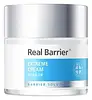
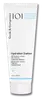
Ingredients Side-by-side
Water
Skin ConditioningCaprylic/Capric Triglyceride
Masking


Butylene Glycol
Humectant
Glycerin
Humectant
Cetearyl Alcohol
Emollient





Propanediol
Solvent
Panthenol
Skin Conditioning

Myristoyl/Palmitoyl Oxostearamide/Arachamide Mea
Skin ConditioningGlyceryl Stearate
Emollient
Polyglyceryl-10 Distearate
Emulsifying
Dimethicone
Emollient
Sorbitan Stearate
Emulsifying
Viscum Album Fruit Extract
Soothing1,2-Hexanediol
Skin Conditioning
Limnanthes Alba Seed Oil
Skin Conditioning
Olea Europaea Fruit Oil
Masking
Hydrogenated Vegetable Oil
Emollient
Xylitylglucoside
Humectant
Anhydroxylitol
Humectant
Xylitol
Humectant
Glucose
Humectant
Tocopheryl Acetate
Antioxidant


Phytosterols
Skin Conditioning
Phospholipids
Skin Conditioning
Dihydroxyisopropyl Palmoylpalmamide
HumectantBis-Capryloyloxypalmitamido Isopropanol
EmollientAllantoin
Skin Conditioning
Acetyl Heptapeptide-4
Humectant


Helianthus Annuus Seed Oil
Emollient
Salvia Officinalis Oil
Masking

Pogostemon Cablin Leaf Oil
Masking
Elettaria Cardamomum Seed Oil
Masking
Mentha Arvensis Leaf Oil
Masking
Chamomilla Recutita Flower Oil
Masking
Juniperus Mexicana Oil
Masking
Biosaccharide Gum-1
Humectant
Sodium Hyaluronate
Humectant
Acetyl Dipeptide-1 Cetyl Ester
Skin Conditioning
Madecassoside
Antioxidant
Stearic Acid
Cleansing
Carbomer
Emulsion StabilisingCaprylyl Glycol
Emollient
Water, Caprylic/Capric Triglyceride, Butylene Glycol, Glycerin, Cetearyl Alcohol, Propanediol, Panthenol, Myristoyl/Palmitoyl Oxostearamide/Arachamide Mea, Glyceryl Stearate, Polyglyceryl-10 Distearate, Dimethicone, Sorbitan Stearate, Viscum Album Fruit Extract, 1,2-Hexanediol, Limnanthes Alba Seed Oil, Olea Europaea Fruit Oil, Hydrogenated Vegetable Oil, Xylitylglucoside, Anhydroxylitol, Xylitol, Glucose, Tocopheryl Acetate, Phytosterols, Phospholipids, Dihydroxyisopropyl Palmoylpalmamide, Bis-Capryloyloxypalmitamido Isopropanol, Allantoin, Acetyl Heptapeptide-4, Helianthus Annuus Seed Oil, Salvia Officinalis Oil, Pogostemon Cablin Leaf Oil, Elettaria Cardamomum Seed Oil, Mentha Arvensis Leaf Oil, Chamomilla Recutita Flower Oil, Juniperus Mexicana Oil, Biosaccharide Gum-1, Sodium Hyaluronate, Acetyl Dipeptide-1 Cetyl Ester, Madecassoside, Stearic Acid, Carbomer, Caprylyl Glycol
Water
Skin ConditioningC15-19 Alkane
SolventGlycerin
Humectant
Caprylic/Capric Triglyceride
Masking
PEG/PPG/Polybutylene Glycol-8/5/3 Glycerin
HumectantIsosorbide Dicaprylate
Skin ConditioningEctoin
Skin Conditioning
Xylitylglucoside
Humectant
Bisabolol
Antioxidant
Allantoin
Skin Conditioning
Anhydroxylitol
Humectant
Xylitol
Humectant
Hydroxyethyl Acrylate/Sodium Acryloyldimethyl Taurate Copolymer
Emulsion StabilisingAmmonium Acryloyldimethyltaurate/Vp Copolymer
Glucose
Humectant
Citric Acid
Buffering
Tocopherol
Antioxidant
Ethylhexylglycerin
Skin ConditioningPhenoxyethanol
Preservative
Water, C15-19 Alkane, Glycerin, Caprylic/Capric Triglyceride, PEG/PPG/Polybutylene Glycol-8/5/3 Glycerin, Isosorbide Dicaprylate, Ectoin, Xylitylglucoside, Bisabolol, Allantoin, Anhydroxylitol, Xylitol, Hydroxyethyl Acrylate/Sodium Acryloyldimethyl Taurate Copolymer, Ammonium Acryloyldimethyltaurate/Vp Copolymer, Glucose, Citric Acid, Tocopherol, Ethylhexylglycerin, Phenoxyethanol
Reviews
Ingredients Explained
These ingredients are found in both products.
Ingredients higher up in an ingredient list are typically present in a larger amount.
Allantoin is a soothing ingredient known for its protective and moisturizing properties; it's basically a quiet workhorse ingredient you can find in a huge range of cosmetics.
Though it can be derived from the comfrey plant, allantoin is produced synthetically for cosmetic products to ensure purity.
Research shows it can encourage your skin cells to turn over and renew by stimulating keratinocyte and fibroblast proliferation.
It also has mild keratolytic properties to help loosen and shed dead skin cells without being harsh.
Studies also suggest allantoin can help calm inflammation by dialing down some of the chemical signals your skin sends out when it is irritated.
This ingredient is typically used in the 0.1-0.5% range, and the FDA recognizes it as a skin protectant in OTC products up to 2%.
Overall, allantoin is a wonderful addition to most routines; it is stable across a wide pH range (~4-8), works well with other ingredients, and is considered non-sensitizing/non-irritating.
Fun fact: Allantoin is naturally occurring in comfrey root, beets, chamomile, and wheat sprouts. Our bodies even produce it as a byproduct of uric acid metabolism.
Learn more about AllantoinThis ingredient is created from dehydrating xylitol in acidic conditions. Xylitol is a famous sugar and humectant.
Much like its predecessor, anhydroxylitol is a humectant. Humectants attract and hold water to moisturize the skin.
This ingredient is most commonly found in a popular trio called Aquaxyl. Aquaxyl is made up of anhydroxylitol (24 - 34%), xylitylglucoside (35 - 50%), and xylitol (5 - 15%).
According to a manufacturer, Aquaxyl is known for a 3-D hydration concept and an anti-dehydration shield to reinforce the outer layer of skin.
This ingredient is often derived from plants such as wood and sugarcane.
Learn more about AnhydroxylitolCaprylic/Capric Triglyceride (aka MCT Oil) is a lightweight emollient, solvent, and texture enhancer. It is considered a skin-softener by helping to prevent moisture loss.
Though it behaves like an oil, it is not technically one due to its chemical composition. One perk of this ingredient is that it is very stable, resistant to oxidation, and unlikely to go rancid.
In practice, that translates to a long shelf life and a consistently elegant skin feel.
While there is an assumption Caprylic Triglyceride can clog pores due to it being derived from coconut oil, there is no research supporting this. Just patch test if you have concerns.
Fractionated coconut oil and MCT Oil are both listed as Caprylic/Capric Triglyceride according to INCI. This is because INCI names are based on the ingredient’s final chemical composition and not its marketing name or source.
This ingredient is treated as the gold standard fungal acne safe oil. Even though it is coconut derived, the problematic lauric acid is stripped out.
This leaves just caprylic (C8) and capric (C10) acid. These chain lengths actually trend antifungal; a 2020 study found caprylic acid was enough to disrupt Malassezia furfur cell membrane, with a caprylic acid derivative damaging membrane structures at concentrations as low as 0.2%.
Learn more about Caprylic/Capric TriglycerideGlucose is a simple sugar (a monosaccharide). In skincare, it is mostly a humectant and skin conditioning agent.
Mechanistically, it has multiple hydroxyl groups that hydrogen-bond to water. This pulls moisture into the upper layers of skin to keep the surface soft and hydrated.
It's worth knowing sugars are already a natural component of the skin's NMF (natural moisturizing factor) so it's a molecule that your stratum corneum is well-acquainted with.
Just so you know, glucose is hydrophilic (water-loving) and the stratum corneum is a strong barrier to hydrophilic compounds. This just means penetration is slow and most of the action is happening on the surface.
Gram-to-gram, glucose is not as efficient as a humectant as glycerin. This is why you'll likely see glycose paired with stronger humectants for a bigger hydration payoff.
In skincare, glucose is typically derived from corn or other starch sources.
Learn more about GlucoseGlycerin (or glycerol) is a compound naturally found in your skin. It's a powerhouse humectant that pulls water into the stratum corneum.
Topically, glycerin does several things at once:
Your skin makes glycerin on its own (mostly from sebaceous oil breakdown) and shuttles it to your outermost layer of skin, or your epidermis, via aquaporin-3.
Aquaporin-3 is a transporter that is essential for normal skin hydration, elasticity, and repair. Interestingly, mice lacking in AQP3 have dry and less elastic skin that can be fully corrected with glycerin.
This ingredient is non-irritating, plays well with almost every ingredient, and works across all skin types. Typical use is anywhere between 3-10% but can go up to 79% in some leave-on products.
Just know very high concentrations (>40%) can feel tacky in low humidity.
Glycerin is the name for this ingredient in American English. British English uses Glycerol/Glycerine.
Learn more about GlycerinWater. It's the most common cosmetic ingredient of all. You'll usually see it at the top of ingredient lists, meaning that it makes up the largest part of the product.
So why is it so popular? Water most often acts as a solvent - this means that it helps dissolve other ingredients into the formulation.
You'll also recognize water as that liquid we all need to stay alive. If you see this, drink a glass of water. Remember to stay hydrated!
Learn more about WaterXylitol is a humectant and prebiotic. It can help with dry skin.
In studies, xylitol has been shown to improve dry skin. It decreased transepidermal water loss, or when water passes through the skin and evaporates. Xylitol also showed to help improve the biomechanical properties of the skin barrier.
The prebiotic property of xylitol may also help reinforce our skin's natural microbiome. Having a healthy microbiome prevents infection by bad bacteria and helps with hydration.
As a humectant, Xylitol helps draw moisture from both the air and from deeper skin layers. This helps keep skin hydrated.
Xylitol is a sugar alcohol and commonly used as a sugar substitute. It is naturally occurring in plants such as strawberries and pumpkin.
Learn more about XylitolXylitylglucoside is created from xylitol and glucose, two humectants.
Not surprisingly, this ingredient is also a humectant. It attracts and holds water in your skin, helping to maintain hydration.
This ingredient is most commonly found in a popular trio called Aquaxyl. Aquaxyl is made up of anhydroxylitol(24 - 34%), xylitylglucoside (35 - 50%), and xylitol (5 - 15%).
According to a manufacturer, Aquaxyl is known for a 3-D hydration concept and an anti-dehydration shield to reinforce the outer layer of skin.
Learn more about Xylitylglucoside

