
What's inside
What's inside
 Key Ingredients
Benefits
Concerns
No concerns
Ingredients Side-by-side
Water
Skin ConditioningGlycerin
Humectant


Ethylhexyl Methoxycrylene
Skin Conditioning
Undecane
EmollientTridecane
Perfuming
Butylene Glycol
Humectant
Triheptanoin
Skin ConditioningBidens Pilosa Extract
HumectantElaeis Guineensis Oil
Emollient

Gossypium Herbaceum Seed Oil
Skin Conditioning
Linum Usitatissimum Seed Oil
Perfuming
Caprylhydroxamic Acid
1,2-Hexanediol
Skin Conditioning
Propanediol
Solvent
Octyldodecanol
Emollient
Trisodium Ethylenediamine Disuccinate
Hydrogenated Rapeseed Oil
Emollient
Pentaerythrityl Tetraethylhexanoate
Emollient
Sodium Stearoyl Glutamate
CleansingBehenyl Alcohol
Emollient
Pentaerythrityl Distearate
Emulsifying
Methyl Glucose Sesquistearate
Emollient
Caprylic/Capric Triglyceride
Masking
Physalis Angulata Extract
Skin ProtectingMethoxyhydroxyphenyl Isopropylnitrone
Antioxidant
Citric Acid
Buffering


Retinol
Skin Conditioning






Polysorbate 20
Emulsifying
Hydroxyethyl Acrylate/Sodium Acryloyldimethyl Taurate Copolymer
Emulsion StabilisingSodium Polyacryloyldimethyl Taurate
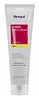
Emulsion StabilisingWater, Glycerin, Ethylhexyl Methoxycrylene, Undecane, Tridecane, Butylene Glycol, Triheptanoin, Bidens Pilosa Extract, Elaeis Guineensis Oil, Gossypium Herbaceum Seed Oil, Linum Usitatissimum Seed Oil, Caprylhydroxamic Acid, 1,2-Hexanediol, Propanediol, Octyldodecanol, Trisodium Ethylenediamine Disuccinate, Hydrogenated Rapeseed Oil, Pentaerythrityl Tetraethylhexanoate, Sodium Stearoyl Glutamate, Behenyl Alcohol, Pentaerythrityl Distearate, Methyl Glucose Sesquistearate, Caprylic/Capric Triglyceride, Physalis Angulata Extract, Methoxyhydroxyphenyl Isopropylnitrone, Citric Acid, Retinol, Polysorbate 20, Hydroxyethyl Acrylate/Sodium Acryloyldimethyl Taurate Copolymer, Sodium Polyacryloyldimethyl Taurate
Water
Skin ConditioningDimethyl Isosorbide
SolventEthoxydiglycol
HumectantCoco-Caprylate/Caprate
Emollient
Caprylic/Capric Triglyceride
Masking
Propanediol
Solvent
Hydroxypinacolone Retinoate
Skin Conditioning
Tocopheryl Acetate
Antioxidant
Arachidyl Alcohol
Emollient
Behenyl Alcohol
Emollient
Arachidyl Glucoside
EmulsifyingSodium Hyaluronate
Humectant

Lysine
Skin ConditioningHistidine
Humectant
Arginine
Masking
Aspartic Acid
Masking
Threonine
Serine
Masking
Glutamic Acid
Humectant
Proline
Skin Conditioning
Glycine
Buffering
Alanine
Masking
Valine
MaskingMethionine
Skin ConditioningIsoleucine
Skin ConditioningLeucine
Skin ConditioningTyrosine
MaskingPhenylalanine
Masking
Cysteine
Antioxidant
1,2-Hexanediol
Skin Conditioning
Phenoxyethanol
Preservative
Pullulan
Ethylhexylglycerin
Skin ConditioningXanthan Gum
EmulsifyingHydroxyethylcellulose
Emulsion StabilisingSclerotium Gum
Emulsion StabilisingTrisodium Ethylenediamine Disuccinate
Lecithin
Emollient
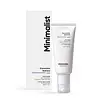
Water, Dimethyl Isosorbide, Ethoxydiglycol, Coco-Caprylate/Caprate, Caprylic/Capric Triglyceride, Propanediol, Hydroxypinacolone Retinoate, Tocopheryl Acetate, Arachidyl Alcohol, Behenyl Alcohol, Arachidyl Glucoside, Sodium Hyaluronate, Lysine, Histidine, Arginine, Aspartic Acid, Threonine, Serine, Glutamic Acid, Proline, Glycine, Alanine, Valine, Methionine, Isoleucine, Leucine, Tyrosine, Phenylalanine, Cysteine, 1,2-Hexanediol, Phenoxyethanol, Pullulan, Ethylhexylglycerin, Xanthan Gum, Hydroxyethylcellulose, Sclerotium Gum, Trisodium Ethylenediamine Disuccinate, Lecithin
Reviews
Alternatives
Ingredients Explained
These ingredients are found in both products.
Ingredients higher up in an ingredient list are typically present in a larger amount.
1,2-Hexanediol is a synthetic liquid and another multi-functional powerhouse.
It is a:
- Humectant, drawing moisture into the skin
- Emollient, helping to soften skin
- Solvent, dispersing and stabilizing formulas
- Preservative booster, enhancing the antimicrobial activity of other preservatives
Behenyl Alcohol is a type of fatty alcohol (these are different from the drying, solvent alcohols).
Fatty Alcohols have hydrating properties and are most often used as an emollient or to thicken a product. They are usually derived from natural fats and oils; behenyl alcohol is derived from the fats of vegetable oils.
Emollients help keep your skin soft and hydrated by creating a film that traps moisture in.
In 2000, Behenyl Alcohol was approved by the US as medicine to reduce the duration of cold sores.
Learn more about Behenyl AlcoholCaprylic/Capric Triglyceride (aka MCT Oil) is a lightweight emollient, solvent, and texture enhancer. It is considered a skin-softener by helping to prevent moisture loss.
Though it behaves like an oil, it is not technically one due to its chemical composition. One perk of this ingredient is that it is very stable, resistant to oxidation, and unlikely to go rancid.
In practice, that translates to a long shelf life and a consistently elegant skin feel.
While there is an assumption Caprylic Triglyceride can clog pores due to it being derived from coconut oil, there is no research supporting this. Just patch test if you have concerns.
Fractionated coconut oil and MCT Oil are both listed as Caprylic/Capric Triglyceride according to INCI. This is because INCI names are based on the ingredient’s final chemical composition and not its marketing name or source.
This ingredient is treated as the gold standard fungal acne safe oil. Even though it is coconut derived, the problematic lauric acid is stripped out.
This leaves just caprylic (C8) and capric (C10) acid. These chain lengths actually trend antifungal; a 2020 study found caprylic acid was enough to disrupt Malassezia furfur cell membrane, with a caprylic acid derivative damaging membrane structures at concentrations as low as 0.2%.
Learn more about Caprylic/Capric TriglyceridePropanediol is an all-star ingredient. It softens, hydrates, and smooths the skin.
It’s often used to:
Propanediol is not likely to cause sensitivity and considered safe to use. It is derived from corn or petroleum with a clear color and no scent.
Learn more about PropanediolTrisodium Ethylenediamine Disuccinate is used to help stabilize a product.
It is a chelating agent, meaning it helps prevent metal ions from binding to other ingredients. This prevents unwanted reactions in products. Metal ions can come into a product via the water ingredient. They are found in trace amounts and are not known to be harmful.
Water. It's the most common cosmetic ingredient of all. You'll usually see it at the top of ingredient lists, meaning that it makes up the largest part of the product.
So why is it so popular? Water most often acts as a solvent - this means that it helps dissolve other ingredients into the formulation.
You'll also recognize water as that liquid we all need to stay alive. If you see this, drink a glass of water. Remember to stay hydrated!
Learn more about Water
