This oil-control moisturizer is formulated around Polymethyl Methacrylate to balance excess oil.

What's inside
What's inside
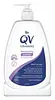 Key Ingredients
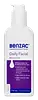
Benefits
Concerns
Ingredients Side-by-side
Water
Skin ConditioningPetrolatum
Emollient



Glycerin
Humectant

C12-15 Alkyl Benzoate
AntimicrobialCetearyl Alcohol
Emollient





Dimethicone
Emollient
Steareth-2
EmulsifyingCeteareth-20
Cleansing
Glyceryl Stearate
Emollient
Methylparaben
Preservative


Propylparaben
Preservative
Polyacrylic Acid
Emulsion StabilisingDichlorobenzyl Alcohol
Antimicrobial
Triethanolamine
BufferingNiacinamide
Smoothing









Sodium Lauroyl Lactylate
EmulsifyingPhytosphingosine
Skin Conditioning
Ceramide AP
Skin Conditioning
Ceramide NP
Skin Conditioning
Ceramide EOP
Skin Conditioning
Cholesterol
Emollient
Xanthan Gum
EmulsifyingCarbomer
Emulsion StabilisingEthylhexylglycerin
Skin ConditioningWater, Petrolatum, Glycerin, C12-15 Alkyl Benzoate, Cetearyl Alcohol, Dimethicone, Steareth-2, Ceteareth-20, Glyceryl Stearate, Methylparaben, Propylparaben, Polyacrylic Acid, Dichlorobenzyl Alcohol, Triethanolamine, Niacinamide, Sodium Lauroyl Lactylate, Phytosphingosine, Ceramide AP, Ceramide NP, Ceramide EOP, Cholesterol, Xanthan Gum, Carbomer, Ethylhexylglycerin
Water
Skin ConditioningOctocrylene
UV Absorber
Diisopropyl Adipate
EmollientCyclomethicone
Emollient
Glycerin
Humectant
Glyceryl Stearate
Emollient
PEG-100 Stearate
Surfactant
Butyl Methoxydibenzoylmethane
UV Absorber
Polymethyl Methacrylate
Benzyl Alcohol
Perfuming



Acrylates/C10-30 Alkyl Acrylate Crosspolymer
Emulsion StabilisingPhenoxyethanol
Preservative
Tocopheryl Acetate
Antioxidant

Carbomer
Emulsion StabilisingDisodium EDTA
Triethanolamine
Buffering
Reviews
Ingredients Explained
These ingredients are found in both products.
Ingredients higher up in an ingredient list are typically present in a larger amount.
Carbomer is a synthetic thickening and gelling agent. It's basically the ingredient that gives a lot of serums, gels, creams, and sunscreens their smooth, non-sticky texture.
Although legally permitted at very high levels, carbomers are normally used at concentrations below 1%.
It also needs to be neutralized to actually thicken, and because it is a large molecule, it doesn't really penetrate the skin barrier.
Allergy-wise, the risk is very low. Clinical studies show carbomers have low potential for skin irritation/sensitization even at concentrations up to 100%.
A 2024 UK study patch-tested 1,302 patients and found true allergy to the parent group of carbomer to be rare with no confirmed relevant reactions.
Learn more about CarbomerGlycerin (or glycerol) is a compound naturally found in your skin. It's a powerhouse humectant that pulls water into the stratum corneum.
Topically, glycerin does several things at once:
Your skin makes glycerin on its own (mostly from sebaceous oil breakdown) and shuttles it to your outermost layer of skin, or your epidermis, via aquaporin-3.
Aquaporin-3 is a transporter that is essential for normal skin hydration, elasticity, and repair. Interestingly, mice lacking in AQP3 have dry and less elastic skin that can be fully corrected with glycerin.
This ingredient is non-irritating, plays well with almost every ingredient, and works across all skin types. Typical use is anywhere between 3-10% but can go up to 79% in some leave-on products.
Just know very high concentrations (>40%) can feel tacky in low humidity.
Glycerin is the name for this ingredient in American English. British English uses Glycerol/Glycerine.
Learn more about GlycerinGlyceryl Stearate is made by reacting glycerin with stearic acid (typically sourced from plant oils like palm or coconut). It's an emulsifier, emollient, and mild occlusive.
Emulsifiers help ingredients like oil and water stay mixed so your formula stays nicely blended and uniform in texture.
This ingredient is typically used in concentrations between 1-10%. Studies have found it to be non-sensitizing, non-phototoxic, and non-photoallergenic.
A close cousin of this ingredient is Glyceryl Stearate SE ("self-emulsifying"). This just has a small amount of sodium or potassium stearate added so it can emulsify without a co-emulsifier.
Since this ingredient is an ester of a C18 fatty acid, it may not be fungal acne safe. The Malassezia yeast can potentially metabolize within the C11-C24 range.
Fun fact: The human body also creates Glyceryl Stearate naturally.
Learn more about Glyceryl StearateTriethanolamine (TEA) is an emulsifier and pH adjuster. It is created using ethylene oxide and ammonia. This gives Triethanolamine a nitrogen core and a similar scent to ammonia.
As an emulsifier, it prevents ingredients from separating and enhances texture by adding volume to a product.
PH adjusters are common in cosmetic products. The pH of a product can affect the effectiveness of other ingredients. A product with a high pH may also irritate the skin.
If you are looking for the tea leaf ingredient, click here.
Learn more about TriethanolamineWater. It's the most common cosmetic ingredient of all. You'll usually see it at the top of ingredient lists, meaning that it makes up the largest part of the product.
So why is it so popular? Water most often acts as a solvent - this means that it helps dissolve other ingredients into the formulation.
You'll also recognize water as that liquid we all need to stay alive. If you see this, drink a glass of water. Remember to stay hydrated!
Learn more about Water

