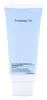
This foaming cleanser uses mild cleansing ingredients, but contains alcohol that may feel drying for some.

What's inside
What's inside
 Key Ingredients
Benefits
Concerns
Ingredients Side-by-side
Water
Skin ConditioningSodium Cocoyl Isethionate
Cleansing
Glycerin
Humectant


Coconut Acid
Cleansing

Polyquaternium-67
1,2-Hexanediol
Skin Conditioning
Sodium Isethionate
CleansingSodium Methyl Cocoyl Taurate
Cleansing
Litsea Cubeba Fruit Oil
Masking



Sodium Chloride
MaskingDisodium EDTA
ChelatingEthylhexylglycerin
Skin ConditioningSodium Acetate
BufferingButylene Glycol
Humectant
Centella Asiatica Extract
Cleansing



Portulaca Oleracea Extract
Skin Conditioning
Camellia Sinensis Leaf Extract
Antimicrobial



Hamamelis Virginiana Extract
Antiseborrhoeic

Sodium Hyaluronate
Humectant
Beta-Glucan
Skin Conditioning
Melaleuca Alternifolia Leaf Extract
Perfuming
Phaseolus Angularis Seed Extract
Antioxidant
Pentylene Glycol
Skin Conditioning
Caprylyl Glycol
Emollient
Diatomaceous Earth
Abrasive
Isopropyl Alcohol
Solvent
Citric Acid
Buffering
Water, Sodium Cocoyl Isethionate, Glycerin, Coconut Acid, Polyquaternium-67, 1,2-Hexanediol, Sodium Isethionate, Sodium Methyl Cocoyl Taurate, Litsea Cubeba Fruit Oil, Sodium Chloride, Disodium EDTA, Ethylhexylglycerin, Sodium Acetate, Butylene Glycol, Centella Asiatica Extract, Portulaca Oleracea Extract, Camellia Sinensis Leaf Extract, Hamamelis Virginiana Extract, Sodium Hyaluronate, Beta-Glucan, Melaleuca Alternifolia Leaf Extract, Phaseolus Angularis Seed Extract, Pentylene Glycol, Caprylyl Glycol, Diatomaceous Earth, Isopropyl Alcohol, Citric Acid
Water
Skin ConditioningMyristic Acid
Cleansing
Kaolin
Abrasive
Lauric Acid
Cleansing
Stearic Acid
Cleansing
Potassium Hydroxide
BufferingCocamidopropyl Betaine
Cleansing
Hydroxyethylcellulose
Emulsion StabilisingCharcoal Powder
Abrasive
Sodium Hyaluronate
Humectant
Beta-Glucan
Skin Conditioning
Vaccinium Myrtillus Fruit/Leaf Extract
AstringentSaccharum Officinarum Extract
MoisturisingAcer Saccharum Extract
Skin ConditioningCitrus Aurantium Dulcis Fruit Extract
MaskingCitrus Medica Limonum Fruit Extract
Skin ConditioningArnica Montana Flower Extract
Masking
Artemisia Absinthium Extract
Skin ConditioningAchillea Millefolium Extract
CleansingGentiana Lutea Root Extract
Skin ConditioningCarica Papaya Fruit Extract
Skin ConditioningGypsophila Paniculata Root Extract
Skin ConditioningHedera Helix Extract
AntimicrobialHydrolyzed Extensin
Skin ConditioningCollagen
Moisturising
Disodium EDTA
ChelatingCaprylyl Glycol
Emollient
Ethylhexylglycerin
Skin ConditioningTropolone
Skin ConditioningParfum
Masking
Water, Myristic Acid, Kaolin, Lauric Acid, Stearic Acid, Potassium Hydroxide, Cocamidopropyl Betaine, Hydroxyethylcellulose, Charcoal Powder, Sodium Hyaluronate, Beta-Glucan, Vaccinium Myrtillus Fruit/Leaf Extract, Saccharum Officinarum Extract, Acer Saccharum Extract, Citrus Aurantium Dulcis Fruit Extract, Citrus Medica Limonum Fruit Extract, Arnica Montana Flower Extract, Artemisia Absinthium Extract, Achillea Millefolium Extract, Gentiana Lutea Root Extract, Carica Papaya Fruit Extract, Gypsophila Paniculata Root Extract, Hedera Helix Extract, Hydrolyzed Extensin, Collagen, Disodium EDTA, Caprylyl Glycol, Ethylhexylglycerin, Tropolone, Parfum
Reviews
Ingredients Explained
These ingredients are found in both products.
Ingredients higher up in an ingredient list are typically present in a larger amount.
Beta-Glucan is a soluble polysaccharide (a chain of glucose sugars) sourced from the cells walls of oats, baker's yeast, mushrooms, and seaweed.
It's a rare ingredient that pulls double-duty as a heavy-duty hydrator and skin-soothing repair agent.
On the surface, it acts as a humectant that holds water in place and reduces moisture loss for a plumper, smoother feel, while its anti-inflammatory and antioxidant properties make it a great pick for calming redness or sensitive skin
The more interesting story is underneath:
Despite its large molecular size, oat beta-glucan has been shown to penetrate the epidermis and reach the dermis by slipping between skin cells. Here, it interacts with fibroblasts and macrophages to nudge collagen synthesis and support wound repair.
A small 2005 split-face clinical study of 27 subjects found topical beta-glucan produced measurable reductions in wrinkle depth, height, and roughness after 8 weeks of use.
It is worth noting the trial was small and the penetration testing used frozen, irradiated skin so the anti-aging data is encouraging rather than definitive.
This ingredient gets along with pretty much everything and is typically used around 0.1-1%.
Fungal acne: This ingredient is not a food source for the Malassezia yeast because it is a glucose polysaccharide with no fatty acid or ester component.
Learn more about Beta-GlucanCaprylyl Glycol is a humectant, skin conditioner, emollient, and preservative booster derived from either caprylic acid or synthetically created.
Typical use levels vary from 0.3-1% as a preservative booster and go up to 2% to condition skin.
Because it is not a free-fatty acid, this ingredient is fungal acne safe (there's nothing for Malassezia to feed on).
Learn more about Caprylyl GlycolDisodium EDTA is a chelating agent. It grabs onto and deactivates metal ions that sneak into your products from water, packaging, or air.
This ingredient mainly works behind the scenes and helps with:
On top of that, this ingredient can counteract the effects of hard water by binding to the minerals in it.
One thing worth knowing is that Disodium EDTA has been shown to be a mild penetration enhancer. It can help other ingredients absorb into skin more effectively which can be a double-edged sword (great for actives, but can also make the active too strong if you have sensitive skin).
Clinical patch testing showed no significant skin irritation at typical use concentrations and minimal dermal absorption.
You'll most likely see this ingredient near the end of an ingredient list. It's typically found in concentrations less than 1%.
Learn more about Disodium EDTAEthylhexylglycerin is created from glycerin. It is a multitasker ingredient that:
The CIR Expert Panel found minimal skin absorption or sensitization of any kind in a safety assessment. Though this ingredient is considered well-tolerated, a small number of cases of allergic dermatitis have been published since 2002. Just be sure to patch test if you are unsure.
Industry-reported use ranges from 8% in rinse-off products and 2% in leave-on formulations.
Learn more about EthylhexylglycerinSodium Hyaluronate is the salt form of hyaluronic acid. It is a long sugar chain that is naturally found in your skin, joints, and connective tissue that maintains hydration and elasticity.
In skincare, it works as a humectant. It pulls water from the environment and deeper layers of skin and binds it to the surface.
Interestingly, the size of the molecule affects its behavior:
Some clinical evidence links low molecular weight versions to improved wrinkle depth, elasticity, anti-inflammatory effects, and barrier repair.
Many serums use a blend of both weights so you can get surface hydration plus longer-lasting and deeper effects.
You'll typically see concentrations between 0.1-2% for this ingredient.
Learn more about Sodium HyaluronateWater. It's the most common cosmetic ingredient of all. You'll usually see it at the top of ingredient lists, meaning that it makes up the largest part of the product.
So why is it so popular? Water most often acts as a solvent - this means that it helps dissolve other ingredients into the formulation.
You'll also recognize water as that liquid we all need to stay alive. If you see this, drink a glass of water. Remember to stay hydrated!
Learn more about Water

