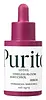
This anti-aging serum is formulated around Bakuchiol and Acetyl Hexapeptide-8 to soften the look of wrinkles and refine skin texture.
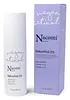
This anti-aging serum is formulated around Prunus Amygdalus Dulcis Oil and Bakuchiol to soften the look of wrinkles and refine skin texture.


What's inside
What's inside
 Key Ingredients
Benefits
Concerns
Ingredients Side-by-side
Water
Skin ConditioningButylene Glycol
Humectant

Glycerin
Humectant
Pentaerythrityl Tetraethylhexanoate
Emollient
Betaine
Humectant
Bakuchiol
Antimicrobial







Hydrangea Macrophylla Leaf Extract
Skin ConditioningAcetyl Hexapeptide-8
Humectant
Lavandula Angustifolia Extract
Skin Conditioning

Rosmarinus Officinalis Extract
AntimicrobialOriganum Vulgare Flower/Leaf/Stem Extract
Skin ConditioningThymus Vulgaris Extract
Perfuming
Allantoin
Skin Conditioning
Adenosine
Skin Conditioning
Cetearyl Olivate


Hydroxyacetophenone
Antioxidant
Sorbitan Olivate
Emulsifying
Cetearyl Alcohol
Emollient




Cetyl Palmitate
Emollient
Sodium Acrylate/Sodium Acryloyldimethyl Taurate Copolymer
Emulsion StabilisingPolyisobutene
Sorbitan Palmitate
Emulsifying
Dipotassium Glycyrrhizate
Humectant
Disodium EDTA
ChelatingSorbitan Oleate
Emulsifying
Ethylhexylglycerin
Skin ConditioningCarbomer
Emulsion StabilisingXanthan Gum
EmulsifyingArginine
Masking
Caprylyl/Capryl Glucoside
Cleansing1,2-Hexanediol
Skin Conditioning
Water, Butylene Glycol, Glycerin, Pentaerythrityl Tetraethylhexanoate, Betaine, Bakuchiol, Hydrangea Macrophylla Leaf Extract, Acetyl Hexapeptide-8, Lavandula Angustifolia Extract, Rosmarinus Officinalis Extract, Origanum Vulgare Flower/Leaf/Stem Extract, Thymus Vulgaris Extract, Allantoin, Adenosine, Cetearyl Olivate, Hydroxyacetophenone, Sorbitan Olivate, Cetearyl Alcohol, Cetyl Palmitate, Sodium Acrylate/Sodium Acryloyldimethyl Taurate Copolymer, Polyisobutene, Sorbitan Palmitate, Dipotassium Glycyrrhizate, Disodium EDTA, Sorbitan Oleate, Ethylhexylglycerin, Carbomer, Xanthan Gum, Arginine, Caprylyl/Capryl Glucoside, 1,2-Hexanediol
Prunus Amygdalus Dulcis Oil
Skin Conditioning
Caprylic/Capric Triglyceride
Masking
Glycine Soja Oil
Emollient
Tocopheryl Acetate
Antioxidant
Bakuchiol
Antimicrobial

Prunus Amygdalus Dulcis Oil, Caprylic/Capric Triglyceride, Glycine Soja Oil, Tocopheryl Acetate, Bakuchiol, Sclerocarya Birrea Seed Oil, Citrus Aurantium Amara Flower Extract, Jasminum Officinale Flower Extract, Lavandula Angustifolia Extract, Paeonia Officinalis Flower Extract, Rosa Damascena Flower Oil, Helianthus Annuus Seed Oil
Reviews
Ingredients Explained
These ingredients are found in both products.
Ingredients higher up in an ingredient list are typically present in a larger amount.
Bakuchiol is a plant-derived antioxidant from the seeds of the Psoralea corylifolia plant. It has antimicrobial, emollient, skin conditioning, and antioxidant properties.
You'll likely see it called a "retinol replacement" but the two are technically not related. This is because bakuchiol is able to flip many of the same switches in your skin cells to tell them to:
1) produce more collagen (type I, III, and IV)
2) activate the same genes retinoids do
Unlike retinoids, this ingredient will not increase photosensitivity and is safe to use during pregnancy (but please still check in with your doctor!).
The flagship clinical trial from Dhaliwal et al. 2019 found 0.5% bakuchiol (twice daily) and 0.5% retinol (once daily) reduced wrinkles and hyperpigmentation equally, but bakuchiol had significantly less irritation.
Systematic reviews also back this up:
Bakuchiol is comparable to retinol for photoaging but with better tolerability. It also has mild antibacterial properties against Cutibacterium acnes and antifungal activity in vitro against Candida and dermatophytes.
The reason bakuchiol works well is due to its structure; it is a meroterpene phenol, or a hybrid molecule. The phenol half acts as an antioxidant while the terpene half is fat-loving. This helps the molecule slip through the skin barrier.
This ingredient is usually used between 0.5-2%. Only one case of contact dermatitis has ever been reported for this ingredient.
Learn more about BakuchiolLavandula Angustifolia Extract comes from the flowers and leaves of the lavender plant. It's mostly used in skincare for its scent plus a bit of skin conditioning properties.
Lab research credits it with soothing, antioxidant, and wound-supporting effects. This is largely thanks to a compound called rosmarinic acid.
Rosmarinic acid has been shown to calm inflammation signaling in skin cells (the same pathways that flare up in conditions like eczema and psoriasis). It also has real antimicrobial and antifungal activity in test-tube studies.
This ingredient is typically used in low concentrations (generally well under 1%) where it acts as a light fragrance + mild skin soother extract.
The main thing to know is that lavender contains two naturally fragrant molecules: Linalool and Linalyl Acetate. Some people's skin does perfectly fine with fragrance while others don't.
Just be sure to patch test if you have reactive skin or known plant allergies.
Linalool and Linalyl Acetate are gentle when fresh but oxidize into compounds that can cause allergic contact dermatitis when exposed to air. Patch-test studies of patients already being investigated for skin allergies found about 5-7% of patients had reactions to oxidized linalool, and 2.8% of patients reacted to oxidized lavender oil.
Learn more about Lavandula Angustifolia Extract

