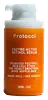
This anti-aging serum is formulated around Retinol and Niacinamide to soften the look of wrinkles and refine skin texture.
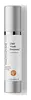
This serum is formulated around Ergothioneine to calm irritation and reduce redness.

What's inside
What's inside
 Key Ingredients
Benefits
Concerns
No concerns
Ingredients Side-by-side
Aloe Barbadensis Leaf Juice
Skin Conditioning


Water
Skin ConditioningNiacinamide
Smoothing









Cyclodextrin
AbsorbentCaprylic/Capric Triglyceride
Masking
Gluconolactone
Skin Conditioning
Carnitine
Cleansing
Glycerin
Humectant
Polysorbate 20
Emulsifying

Enzymes
Retinol
Skin Conditioning

Retinal
Skin Conditioning
Phenylethyl Resorcinol
Antioxidant
Bisabolol
Antioxidant
Tocopheryl Acetate
Antioxidant
Lonicera Japonica Flower Extract
Skin ConditioningLonicera Caprifolium Flower Extract
Perfuming
Sodium Lactate
Buffering
Lecithin
Emollient
Alcohol
Antimicrobial


Pentylene Glycol
Skin Conditioning
Maltodextrin
Absorbent
Xanthan Gum
EmulsifyingSodium Benzoate
Masking
Aloe Barbadensis Leaf Juice, Water, Niacinamide, Cyclodextrin, Caprylic/Capric Triglyceride, Gluconolactone, Carnitine, Glycerin, Polysorbate 20, Enzymes, Retinol, Retinal, Phenylethyl Resorcinol, Bisabolol, Tocopheryl Acetate, Lonicera Japonica Flower Extract, Lonicera Caprifolium Flower Extract, Sodium Lactate, Lecithin, Alcohol, Pentylene Glycol, Maltodextrin, Xanthan Gum, Sodium Benzoate
Water
Skin ConditioningEthylhexyl Isononanoate
EmollientGlycerin
Humectant
Isononyl Isononanoate
EmollientPropanediol
Solvent
Hordeum Distichon Extract
Skin ProtectingErgothioneine
Antioxidant
Sodium Hyaluronate
Humectant
Phellodendron Amurense Bark Extract
Skin ConditioningSantalum Album Extract
CleansingPlankton Extract
Skin ConditioningArabidopsis Thaliana Extract
Antioxidant
Evodia Rutaecarpa Fruit Extract
Skin ConditioningLecithin
Emollient
Micrococcus Lysate
Skin ConditioningButylene Glycol
Humectant
Acrylates/C10-30 Alkyl Acrylate Crosspolymer
Emulsion StabilisingCarbomer
Emulsion StabilisingBHT
Antioxidant
Disodium EDTA
Phenoxyethanol
Preservative
Ethylhexylglycerin
Skin ConditioningSodium Hydroxide
BufferingWater, Ethylhexyl Isononanoate, Glycerin, Isononyl Isononanoate, Propanediol, Hordeum Distichon Extract, Ergothioneine, Sodium Hyaluronate, Phellodendron Amurense Bark Extract, Santalum Album Extract, Plankton Extract, Arabidopsis Thaliana Extract, Evodia Rutaecarpa Fruit Extract, Lecithin, Micrococcus Lysate, Butylene Glycol, Acrylates/C10-30 Alkyl Acrylate Crosspolymer, Carbomer, BHT, Disodium EDTA, Phenoxyethanol, Ethylhexylglycerin, Sodium Hydroxide
Reviews
Ingredients Explained
These ingredients are found in both products.
Ingredients higher up in an ingredient list are typically present in a larger amount.
Glycerin (or glycerol) is a compound naturally found in your skin. It's a powerhouse humectant that pulls water into the stratum corneum.
Topically, glycerin does several things at once:
Your skin makes glycerin on its own (mostly from sebaceous oil breakdown) and shuttles it to your outermost layer of skin, or your epidermis, via aquaporin-3.
Aquaporin-3 is a transporter that is essential for normal skin hydration, elasticity, and repair. Interestingly, mice lacking in AQP3 have dry and less elastic skin that can be fully corrected with glycerin.
This ingredient is non-irritating, plays well with almost every ingredient, and works across all skin types. Typical use is anywhere between 3-10% but can go up to 79% in some leave-on products.
Just know very high concentrations (>40%) can feel tacky in low humidity.
Glycerin is the name for this ingredient in American English. British English uses Glycerol/Glycerine.
Learn more about GlycerinLecithin is a term for a group of substances found in the cell membranes of plants, animals, and humans. They are made up of phospholipids.
Thanks to its amphiphilic structure (water-loving head and oil-loving tail), it is a true multitasker:
It plays well with most ingredients and is typically used at 0.1-1%. However, concentrations up to 50% have been reported in moisturizers.
Learn more about LecithinWater. It's the most common cosmetic ingredient of all. You'll usually see it at the top of ingredient lists, meaning that it makes up the largest part of the product.
So why is it so popular? Water most often acts as a solvent - this means that it helps dissolve other ingredients into the formulation.
You'll also recognize water as that liquid we all need to stay alive. If you see this, drink a glass of water. Remember to stay hydrated!
Learn more about Water

