Plum Goodness Rice Water And Niacinamide Toner Versus Dot & Key Skincare Hyaluronic & Japanese Rice Water Toner
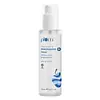
This brightening toner is formulated around Niacinamide and Oryza Sativa Extract to brighten dull-looking skin and fade the look of dark spots.
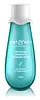
This hydrating toner is formulated around Oryza Sativa Extract and Lactic Acid to hydrate skin and brighten dull-looking skin.

What's inside
What's inside
 Key Ingredients
Benefits
Concerns
Ingredients Side-by-side
Water
Skin ConditioningNiacinamide
Smoothing











Oryza Sativa Extract
Absorbent
Pentylene Glycol
Skin Conditioning
Rosa Damascena Flower Water
Masking
Rice Ferment Filtrate
Skin Conditioning
Avena Sativa Kernel Extract
Abrasive

Methyl Gluceth-20
Humectant
Sorbitol
Humectant
Cyclodextrin
AbsorbentHydroxyethyl Acrylate/Sodium Acryloyldimethyl Taurate Copolymer
Emulsion StabilisingBenzyl Alcohol
Perfuming






Hydroxyacetophenone
Antioxidant
Caprylyl Glycol
Emollient
Xylitylglucoside
Humectant
Anhydroxylitol
Humectant
Xylitol
Humectant
Panthenol
Skin Conditioning
Sodium Gluconate
ChelatingButylene Glycol
Humectant
Water, Niacinamide, Oryza Sativa Extract, Pentylene Glycol, Rosa Damascena Flower Water, Rice Ferment Filtrate, Avena Sativa Kernel Extract, Methyl Gluceth-20, Sorbitol, Cyclodextrin, Hydroxyethyl Acrylate/Sodium Acryloyldimethyl Taurate Copolymer, Benzyl Alcohol, Hydroxyacetophenone, Caprylyl Glycol, Xylitylglucoside, Anhydroxylitol, Xylitol, Panthenol, Sodium Gluconate, Butylene Glycol
Oryza Sativa Extract
Absorbent
Water
Skin ConditioningLactic Acid
Buffering

Propanediol
Solvent
Glycerin
Humectant
Sodium Hydroxide
BufferingSaccharomyces/Xylinum/Black Tea Ferment
Skin Conditioning
Glycyrrhiza Glabra Root Extract
Bleaching
Mentha Piperita Oil
Masking


Silanetriol
Hyaluronic Acid
Humectant
PEG-40 Hydrogenated Castor Oil
Emulsifying
Lactobacillus
Skin ConditioningMaltodextrin
Absorbent
Hydroxyethylcellulose
Emulsion StabilisingAllantoin
Skin Conditioning
Polysorbate 20
Emulsifying
Benzyl Alcohol
Perfuming
Ethylhexylglycerin
Skin ConditioningTocopherol
Antioxidant
Oryza Sativa Extract, Water, Lactic Acid, Propanediol, Glycerin, Sodium Hydroxide, Saccharomyces/Xylinum/Black Tea Ferment, Glycyrrhiza Glabra Root Extract, Mentha Piperita Oil, Silanetriol, Hyaluronic Acid, PEG-40 Hydrogenated Castor Oil, Lactobacillus, Maltodextrin, Hydroxyethylcellulose, Allantoin, Polysorbate 20, Benzyl Alcohol, Ethylhexylglycerin, Tocopherol
Ingredients Explained
These ingredients are found in both products.
Ingredients higher up in an ingredient list are typically present in a larger amount.
Benzyl Alcohol is an aromatic alcohol with several roles: it's a preservative, solvent, and mild fragrance component with a floral scent.
This ingredient has been deemed safe for use in cosmetic formulations at concentrations up to 5%, and up to 10% in hair dyes. You'll typically see 0.5-2% in most rinse-off or leave-on products.
As a preservative, it works by disrupting the membrane of microbial proteins. This helps keep bacteria and fungi from growing in your products.
The sensitization picture is actually quite assuring as well:of nearly 71,000 patients patch tested with benzyl alcohol, only 0.21% showed a positive reaction with most of them being weakly positive.
This led researchers to conclude that benzyl alcohol cannot be regarded as a significant contact allergen.
It is worth noting this ingredient is classified as one of the EU's regulated fragrance allergens and restricted to 1% in finished products.
Labels must also declare it in concentrations above 0.001% in leave-on products and 0.01% in rinse-off products.
At concentrations around 5%, localized redness and itching can appear as a direct irritant response and not as a true allergic reaction.
Learn more about Benzyl AlcoholOryza Sativa Extract comes from the rice grain, Oryza sativa. Rice extract has wound healing, antioxidant, anti-inflammatory, and hydrating properties.
Rice grains contain numerous antioxidants which may help with anti-aging, such as vitamin E. Antioxidants help stabilize free-radical molecules. Unstable free-radical molecules may damage your skin cells and accelerate signs of aging.
A study from 2002 found rice to help increase the rate of wound healing. The same study found an improvement of skin barrier function in the patients after taking rice baths.
Numerous in-vitro studies have found rice water to help decrease sun damage by increasing collagen production and inhibiting the process of tyrosinase.
Long story short- tyrosinase is an enzyme that controls melanin production. Our bodies start producing melanin (AKA tanning) when exposed to UV radiation to protect against damage. Rice water is found to partially block this process.
Though more research is needed on rice's ability to help with UV protection, recent studies seem promising.
Wondering why rice is hydrating? The protein in rice have emollient properties. Emollients create a barrier on the skin to trap moisture in, keeping your skin moisturized.
Some rice extract may have mildly-exfoliating properties. These are mainly limited to Oryza Sativa (Rice) Bran and Oryza Sativa (Rice) Germ Powder.
This rice was first cultivated in China over 10,000 years ago. Many cultures throughout Asia have used rice water on skin and hair for centuries.
Learn more about Oryza Sativa ExtractWater. It's the most common cosmetic ingredient of all. You'll usually see it at the top of ingredient lists, meaning that it makes up the largest part of the product.
So why is it so popular? Water most often acts as a solvent - this means that it helps dissolve other ingredients into the formulation.
You'll also recognize water as that liquid we all need to stay alive. If you see this, drink a glass of water. Remember to stay hydrated!
Learn more about Water

