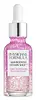
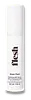
Physician's Formula Skin Booster Vitamin Shot Time Restoring Versus Flesh Sheer Flesh Hydrating SPF Serum SPF 35
This anti-aging serum is formulated around Niacinamide and Ceramide AP to soften the look of wrinkles and strengthen the skin barrier.
This chemical sunscreen covers most of the UV range, lighter on the deep UVA that drives aging.

What's inside
What's inside
 Key Ingredients
Benefits
Concerns
Ingredients Side-by-side
Water
Skin ConditioningButylene Glycol
Humectant

Glycerin
Humectant
Niacinamide
Smoothing









Pentylene Glycol
Skin Conditioning
Ceramide AP
Skin Conditioning
1,2-Hexanediol
Skin Conditioning
Carbomer
Emulsion StabilisingCaprylyl Glycol
Emollient
Caesalpinia Spinosa Fruit Extract
Skin ProtectingPullulan
Chondrus Crispus Extract
Skin Conditioning

Polysorbate 20
Emulsifying

Dipotassium Glycyrrhizate
Humectant
Disodium EDTA
ChelatingSodium Hydroxide
BufferingKappaphycus Alvarezii Extract
Skin Conditioning
Collagen Amino Acids
Moisturising
Iron Oxides
Leuconostoc/Radish Root Ferment Filtrate
Antimicrobial
Phenoxyethanol
Preservative
Titanium Dioxide
Cosmetic Colorant

Agar
MaskingCalcium Alginate
MaskingSodium Lactate
Buffering
Xanthan Gum
EmulsifyingHydroxyacetophenone
Antioxidant
Tropolone
Skin ConditioningGluconolactone
Chelating
Hydrolyzed Hyaluronic Acid
Humectant
Sodium Benzoate
Masking
Sodium Hyaluronate
Humectant
CI 73360
Cosmetic ColorantRetinyl Palmitate
Skin Conditioning
Palmitoyl Tripeptide-1
Skin Conditioning
Palmitoyl Tetrapeptide-7
Skin Conditioning
Water, Butylene Glycol, Glycerin, Niacinamide, Pentylene Glycol, Ceramide AP, 1,2-Hexanediol, Carbomer, Caprylyl Glycol, Caesalpinia Spinosa Fruit Extract, Pullulan, Chondrus Crispus Extract, Polysorbate 20, Dipotassium Glycyrrhizate, Disodium EDTA, Sodium Hydroxide, Kappaphycus Alvarezii Extract, Collagen Amino Acids, Iron Oxides, Leuconostoc/Radish Root Ferment Filtrate, Phenoxyethanol, Titanium Dioxide, Agar, Calcium Alginate, Sodium Lactate, Xanthan Gum, Hydroxyacetophenone, Tropolone, Gluconolactone, Hydrolyzed Hyaluronic Acid, Sodium Benzoate, Sodium Hyaluronate, CI 73360, Retinyl Palmitate, Palmitoyl Tripeptide-1, Palmitoyl Tetrapeptide-7
Homosalate 10%
Skin Conditioning
Ethylhexyl Salicylate 5%
UV Absorber
Butyl Methoxydibenzoylmethane 3%
UV Absorber
Water
Skin ConditioningDipropylene Glycol
HumectantButylene Glycol
Humectant
Glycerin
Humectant
Honey Extract
Humectant
Ammonium Acryloyldimethyltaurate/Beheneth-25 Methacrylate Crosspolymer
Emulsion StabilisingArginine Hcl
Skin ConditioningCarbomer
Emulsion StabilisingDisodium EDTA
ChelatingHydroxyacetophenone
Antioxidant
Lysine Hcl
Skin Conditioning
Maltodextrin
Absorbent
Ornithine Hcl
Skin ConditioningPunica Granatum Extract
AstringentSodium Lactate
Buffering
Triethanolamine
BufferingUrea
Buffering
Parfum
Masking


Hexyl Cinnamal
Perfuming
Hydroxycitronellal
Perfuming
Limonene
Perfuming
Linalool
Perfuming
Chlorphenesin
Antimicrobial
Homosalate 10%, Ethylhexyl Salicylate 5%, Butyl Methoxydibenzoylmethane 3%, Water, Dipropylene Glycol, Butylene Glycol, Glycerin, Honey Extract, Ammonium Acryloyldimethyltaurate/Beheneth-25 Methacrylate Crosspolymer, Arginine Hcl, Carbomer, Disodium EDTA, Hydroxyacetophenone, Lysine Hcl, Maltodextrin, Ornithine Hcl, Punica Granatum Extract, Sodium Lactate, Triethanolamine, Urea, Parfum, Hexyl Cinnamal, Hydroxycitronellal, Limonene, Linalool, Chlorphenesin
Ingredients Explained
These ingredients are found in both products.
Ingredients higher up in an ingredient list are typically present in a larger amount.
Butylene Glycol (or BG) is used within cosmetic products for a few different reasons:
Overall, Butylene Glycol is a safe and well-rounded ingredient that works well with other ingredients.
Though this ingredient works well with most skin types, some people with sensitive skin may experience a reaction such as allergic rashes, closed comedones, or itchiness.
Learn more about Butylene GlycolCarbomer is a synthetic thickening and gelling agent. It's basically the ingredient that gives a lot of serums, gels, creams, and sunscreens their smooth, non-sticky texture.
Although legally permitted at very high levels, carbomers are normally used at concentrations below 1%.
It also needs to be neutralized to actually thicken, and because it is a large molecule, it doesn't really penetrate the skin barrier.
Allergy-wise, the risk is very low. Clinical studies show carbomers have low potential for skin irritation/sensitization even at concentrations up to 100%.
A 2024 UK study patch-tested 1,302 patients and found true allergy to the parent group of carbomer to be rare with no confirmed relevant reactions.
Learn more about CarbomerDisodium EDTA is a chelating agent. It grabs onto and deactivates metal ions that sneak into your products from water, packaging, or air.
This ingredient mainly works behind the scenes and helps with:
On top of that, this ingredient can counteract the effects of hard water by binding to the minerals in it.
One thing worth knowing is that Disodium EDTA has been shown to be a mild penetration enhancer. It can help other ingredients absorb into skin more effectively which can be a double-edged sword (great for actives, but can also make the active too strong if you have sensitive skin).
Clinical patch testing showed no significant skin irritation at typical use concentrations and minimal dermal absorption.
You'll most likely see this ingredient near the end of an ingredient list. It's typically found in concentrations less than 1%.
Learn more about Disodium EDTAGlycerin (or glycerol) is a compound naturally found in your skin. It's a powerhouse humectant that pulls water into the stratum corneum.
Topically, glycerin does several things at once:
Your skin makes glycerin on its own (mostly from sebaceous oil breakdown) and shuttles it to your outermost layer of skin, or your epidermis, via aquaporin-3.
Aquaporin-3 is a transporter that is essential for normal skin hydration, elasticity, and repair. Interestingly, mice lacking in AQP3 have dry and less elastic skin that can be fully corrected with glycerin.
This ingredient is non-irritating, plays well with almost every ingredient, and works across all skin types. Typical use is anywhere between 3-10% but can go up to 79% in some leave-on products.
Just know very high concentrations (>40%) can feel tacky in low humidity.
Glycerin is the name for this ingredient in American English. British English uses Glycerol/Glycerine.
Learn more about GlycerinHydroxyacetophenone is a small phenolic molecule that earns its place in a formulas as an antioxidant and preservative booster.
As a phenol, it is able to neutralize free radicals to protect both the product and the skin from oxidative stress.
Though it can't kill microbes on its own, it works as a good supporting agent when combined with other preservatives like Phenoxyethanol or 1,2-Hexanediol.
This ingredient naturally occurs as piceol in Norwegian spruce needles (~0.4-1.1% dry weight and in cloudberries). Though the cosmetic-grade material is synthesized for purity and consistency.
You'll usually see it used at low levels and suppliers recommend up to 1% added to a water phase.
Safety testing was done at concentrations like 0.05% in SPF products and 0.5% in a Human Repeated Insult Patch Test. The safety evidence is assuring; this ingredient is safe for cosmetics in current use and also holds safety status as a food flavoring as well.
An honest caveat: the "soothing" and "anti-inflammatory" claims come mostly from supplier marketing rather than published clinical trials. The Cosmetic Ingredient Review's own literature search found no useful efficacy studies on this ingredient.
So the antioxidant and preservative-boosting roles are the well supported ones while the calming benefit is plausible but thinly evidenced.
Overall, this is a well-tolerated, low-irritation multitasker that quietly helps a formula stay fresh and stable.
Learn more about HydroxyacetophenoneSodium Lactate is the sodium salt of lactic acid, an AHA. It is a humectant and sometimes used to adjust the pH of a product.
This ingredient is part of our skin's NMF, or natural moisturizing factor. Our NMF is essential for the hydration of our top skin layers and plasticity of skin. NMF also influences our skin's natural acid mantle and pH, which protects our skin from harmful bacteria.
High percentages of Sodium Lactate can have an exfoliating effect.
Fun fact: Sodium Lactate is produced from fermented sugar.
Learn more about Sodium LactateWater. It's the most common cosmetic ingredient of all. You'll usually see it at the top of ingredient lists, meaning that it makes up the largest part of the product.
So why is it so popular? Water most often acts as a solvent - this means that it helps dissolve other ingredients into the formulation.
You'll also recognize water as that liquid we all need to stay alive. If you see this, drink a glass of water. Remember to stay hydrated!
Learn more about Water

