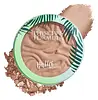
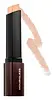
Physician's Formula Murumuru Butter Bronzer Versus Hourglass Cosmetics Hourglass Vanish Seamless Foundation Stick

What's inside
What's inside
 Key Ingredients
Benefits
Concerns
Ingredients Side-by-side
Talc
Abrasive
Synthetic Sapphire
Mica
Cosmetic ColorantDimethiconol Stearate
EmollientIsostearyl Neopentanoate
Emollient
Octyldodecyl Stearoyl Stearate
Emollient
Astrocaryum Murumuru Seed Butter
Emollient
Parfum
Masking



Astrocaryum Tucuma Seed Butter
Emollient
Theobroma Grandiflorum Seed Butter
Skin Conditioning
Ascorbyl Palmitate
Antioxidant



Citric Acid
Buffering
Glyceryl Oleate
Emollient
Glyceryl Stearate
Emollient
Lauroyl Lysine
Skin Conditioning
Lecithin
Emollient

Polybutene
Tin Oxide
Abrasive
Tocopherol
Antioxidant



Aluminum Hydroxide
EmollientCaprylyl Glycol
Emollient
Hexylene Glycol
EmulsifyingPhenoxyethanol
Preservative
Iron Oxides
CI 15850
Cosmetic ColorantTitanium Dioxide
Cosmetic Colorant

Talc, Synthetic Sapphire, Mica, Dimethiconol Stearate, Isostearyl Neopentanoate, Octyldodecyl Stearoyl Stearate, Astrocaryum Murumuru Seed Butter, Parfum, Astrocaryum Tucuma Seed Butter, Theobroma Grandiflorum Seed Butter, Ascorbyl Palmitate, Citric Acid, Glyceryl Oleate, Glyceryl Stearate, Lauroyl Lysine, Lecithin, Polybutene, Tin Oxide, Tocopherol, Aluminum Hydroxide, Caprylyl Glycol, Hexylene Glycol, Phenoxyethanol, Iron Oxides, CI 15850, Titanium Dioxide
Phenyl Trimethicone
Skin Conditioning
C12-15 Alkyl Ethylhexanoate
EmollientCaprylic/Capric Triglyceride
Masking
Ethylhexyl Methoxycinnamate
UV Absorber
Euphorbia Cerifera Wax
Candelilla Cera
Emollient
Ceresin
Emulsion StabilisingPolyethylene
Abrasive
Pentylene Glycol
Skin Conditioning
Microcrystalline Wax
Emulsion StabilisingPolyglyceryl-2 Triisostearate
Emulsifying
Vp/Hexadecene Copolymer
Methyl Methacrylate Crosspolymer
1,2-Hexanediol
Skin Conditioning
Aluminum Hydroxide
EmollientBHT
Antioxidant
Caprylyl Glycol
Emollient
Dimethicone
Emollient
Ethylhexylglycerin
Skin ConditioningIllicium Verum Fruit Extract
Perfuming
Isostearyl Alcohol
Emollient
Lauryl Laurate
Skin Conditioning
Lauryl PEG/PPG-18/18 Methicone
Skin Conditioning
Macadamia Seed Oil Polyglyceryl-6 Esters Behenate
Emollient
Methicone
Emollient
Mica
Cosmetic ColorantPhenoxyethanol
Preservative
Propanediol
Solvent
Silica
Abrasive
Talc
Abrasive
Triethoxycaprylylsilane
CI 77491
Cosmetic ColorantCI 77492
Cosmetic ColorantCI 77499
Cosmetic ColorantCI 77891
Cosmetic ColorantPhenyl Trimethicone, C12-15 Alkyl Ethylhexanoate, Caprylic/Capric Triglyceride, Ethylhexyl Methoxycinnamate, Euphorbia Cerifera Wax, Candelilla Cera, Ceresin, Polyethylene, Pentylene Glycol, Microcrystalline Wax, Polyglyceryl-2 Triisostearate, Vp/Hexadecene Copolymer, Methyl Methacrylate Crosspolymer, 1,2-Hexanediol, Aluminum Hydroxide, BHT, Caprylyl Glycol, Dimethicone, Ethylhexylglycerin, Illicium Verum Fruit Extract, Isostearyl Alcohol, Lauryl Laurate, Lauryl PEG/PPG-18/18 Methicone, Macadamia Seed Oil Polyglyceryl-6 Esters Behenate, Methicone, Mica, Phenoxyethanol, Propanediol, Silica, Talc, Triethoxycaprylylsilane, CI 77491, CI 77492, CI 77499, CI 77891
Reviews
Ingredients Explained
These ingredients are found in both products.
Ingredients higher up in an ingredient list are typically present in a larger amount.
Aluminum Hydroxide is a form of aluminum. It can be naturally found in nature as the mineral gibbsite. In cosmetics, Aluminum Hydroxide is used as a colorant, pH adjuster, and absorbent.
As a colorant, Aluminum Hydroxide may add opacity, or reduce the transparency. Aluminum hydroxide is contains both basic and acidic properties.
According to manufacturers, this ingredient is an emollient and humectant. This means it helps hydrate the skin.
In medicine, this ingredient is used to help relieve heartburn and help heal ulcers.
There is currently no credible scientific evidence linking aluminum hydroxide in cosmetics to increased cancer risk.
Major health organizations allow the use of aluminum hydroxide in personal care products and have not flagged it as a carcinogenic risk at typical usage levels.
Learn more about Aluminum HydroxideCaprylyl Glycol is a humectant, skin conditioner, emollient, and preservative booster derived from either caprylic acid or synthetically created.
Typical use levels vary from 0.3-1% as a preservative booster and go up to 2% to condition skin.
Because it is not a free-fatty acid, this ingredient is fungal acne safe (there's nothing for Malassezia to feed on).
Learn more about Caprylyl GlycolMica is a naturally occurring mineral used to add shimmer and color in cosmetics. It can also help improve the texture of a product or give it an opaque, white/silver color.
Serecite is the name for very fine but ragged grains of mica.
This ingredient is often coated with metal oxides like titanium dioxide. Trace amounts of heavy metals may be found in mica, but these metals are not harmful in our personal products.
Mica has been used since prehistoric times throughout the world. Ancient Egyptian, Indian, Greek, Roman, Aztec, and Chinese civilizations have used mica.
Learn more about MicaPhenoxyethanol is a preservative that has germicide, antimicrobial, and aromatic properties. Studies show that phenoxyethanol can prevent microbial growth. By itself, it has a scent that is similar to that of a rose.
It's often used in formulations along with Caprylyl Glycol to preserve the shelf life of products.
Talc is a clay mineral. It helps absorb moisture and improve the texture of products. Like other types of clay, Talc can have a slight exfoliating effect on skin. Talc can be added to increase the volume of products.
Some Baby powders are made by combining talc with corn starch. The word "talc" comes from Latin and originates from Arabic. Talc is a mineral commonly found throughout the world.
If you have any concerns about using talc, we recommend checking out the FDA's official page.
Learn more about Talc
