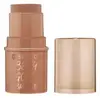
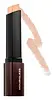
Essence Baby Got Bronze Bronzing Stick Versus Hourglass Cosmetics Hourglass Vanish Seamless Foundation Stick


What's inside
What's inside
 Key Ingredients
Benefits
Concerns
Ingredients Side-by-side
Ricinus Communis Seed Oil
Masking




Octyldodecanol
Emollient
Neopentyl Glycol Dicaprylate/Dicaprate
EmollientCI 77220
Cosmetic ColorantKaolin
Abrasive



Isostearyl Alcohol
Emollient
Oryza Sativa Bran Wax
Skin Conditioning
Euphorbia Cerifera Cera
Astringent
Cocos Nucifera Oil
Masking



Disteardimonium Hectorite
StabilisingTocopheryl Acetate
Antioxidant


Glyceryl Caprylate
EmollientPentaerythrityl Tetra-Di-T-Butyl Hydroxyhydrocinnamate
Antioxidant
Aluminum Hydroxide
EmollientParfum
Masking

CI 77491
Cosmetic ColorantCI 77492
Cosmetic ColorantCI 77499
Cosmetic ColorantCI 77891
Cosmetic ColorantRicinus Communis Seed Oil, Octyldodecanol, Neopentyl Glycol Dicaprylate/Dicaprate, CI 77220, Kaolin, Isostearyl Alcohol, Oryza Sativa Bran Wax, Euphorbia Cerifera Cera, Cocos Nucifera Oil, Disteardimonium Hectorite, Tocopheryl Acetate, Glyceryl Caprylate, Pentaerythrityl Tetra-Di-T-Butyl Hydroxyhydrocinnamate, Aluminum Hydroxide, Parfum, CI 77491, CI 77492, CI 77499, CI 77891
Phenyl Trimethicone
Skin Conditioning
C12-15 Alkyl Ethylhexanoate
EmollientCaprylic/Capric Triglyceride
Masking
Ethylhexyl Methoxycinnamate
UV Absorber

Euphorbia Cerifera Wax
Candelilla Cera
Emollient
Ceresin
Emulsion StabilisingPolyethylene
Abrasive
Pentylene Glycol
Skin Conditioning
Microcrystalline Wax
Emulsion StabilisingPolyglyceryl-2 Triisostearate
Emulsifying
Vp/Hexadecene Copolymer
Methyl Methacrylate Crosspolymer
1,2-Hexanediol
Skin Conditioning
Aluminum Hydroxide
EmollientBHT
Antioxidant
Caprylyl Glycol
Emollient
Dimethicone
Emollient
Ethylhexylglycerin
Skin ConditioningIllicium Verum Fruit Extract
Perfuming
Isostearyl Alcohol
Emollient
Lauryl Laurate
Skin Conditioning
Lauryl PEG/PPG-18/18 Methicone
Skin Conditioning
Macadamia Seed Oil Polyglyceryl-6 Esters Behenate
Emollient
Methicone
Emollient
Mica
Cosmetic ColorantPhenoxyethanol
Preservative
Propanediol
Solvent
Silica
Abrasive
Talc
Abrasive
Triethoxycaprylylsilane
CI 77491
Cosmetic ColorantCI 77492
Cosmetic ColorantCI 77499
Cosmetic ColorantCI 77891
Cosmetic ColorantPhenyl Trimethicone, C12-15 Alkyl Ethylhexanoate, Caprylic/Capric Triglyceride, Ethylhexyl Methoxycinnamate, Euphorbia Cerifera Wax, Candelilla Cera, Ceresin, Polyethylene, Pentylene Glycol, Microcrystalline Wax, Polyglyceryl-2 Triisostearate, Vp/Hexadecene Copolymer, Methyl Methacrylate Crosspolymer, 1,2-Hexanediol, Aluminum Hydroxide, BHT, Caprylyl Glycol, Dimethicone, Ethylhexylglycerin, Illicium Verum Fruit Extract, Isostearyl Alcohol, Lauryl Laurate, Lauryl PEG/PPG-18/18 Methicone, Macadamia Seed Oil Polyglyceryl-6 Esters Behenate, Methicone, Mica, Phenoxyethanol, Propanediol, Silica, Talc, Triethoxycaprylylsilane, CI 77491, CI 77492, CI 77499, CI 77891
Ingredients Explained
These ingredients are found in both products.
Ingredients higher up in an ingredient list are typically present in a larger amount.
Aluminum Hydroxide is a form of aluminum. It can be naturally found in nature as the mineral gibbsite. In cosmetics, Aluminum Hydroxide is used as a colorant, pH adjuster, and absorbent.
As a colorant, Aluminum Hydroxide may add opacity, or reduce the transparency. Aluminum hydroxide is contains both basic and acidic properties.
According to manufacturers, this ingredient is an emollient and humectant. This means it helps hydrate the skin.
In medicine, this ingredient is used to help relieve heartburn and help heal ulcers.
There is currently no credible scientific evidence linking aluminum hydroxide in cosmetics to increased cancer risk.
Major health organizations allow the use of aluminum hydroxide in personal care products and have not flagged it as a carcinogenic risk at typical usage levels.
Learn more about Aluminum HydroxideCi 77491 is also hydrated iron III oxide. It's sole purpose is to give a red/pink hue to products.
Iron III oxides are classified as inorganic chemicals for coloring.
Synthetically created Ci 77491 is considered safer than those naturally found. This is because the synthetically created version may contain less impurities. Iron oxides are generally non-toxic and non-allergenic.
Learn more about CI 77491CI 77492 is also hydrated iron III oxide. It's sole purpose is to give a yellow hue to products.
Iron III oxides are classified as inorganic chemicals for coloring.
Synthetically created CI 77492 is considered safer than those naturally found. This is because the synthetically created version may contain less impurities. Iron oxides are generally non-toxic and non-allergenic.
Learn more about CI 77492Ci 77499 is also hydrated iron III oxide. It is created from mixing red and black iron oxides. This helps give shades of darkness to a product.
Iron III oxides are classified as inorganic chemicals for coloring.
Ci 77891 is a white pigment from Titanium dioxide. It is naturally found in minerals such as rutile and ilmenite.
It's main function is to add a white color to cosmetics. It can also be mixed with other colors to create different shades.
Ci 77891 is commonly found in sunscreens due to its ability to block UV rays.
Learn more about CI 77891Isostearyl Alcohol is a type of fatty alcohol. It's made by hydrogenating isostearic acid from plant oils (usually coconut or soybean)
Though it has "alcohol" in the name, it is not the same as solvent alcohols like alcohol denatured.
It has three roles in skincare:
Clinical patch testing found 25% of Isostearyl Alcohol in petrolatum showed only mild irritation in a small minority (your product will not have nearly as high of an amount).
This ingredient may not be fungal acne safe because it sits in the C11-C24 range that feeds the Malassezia yeast.
One last thing, the FDA allows "alcohol-free" products to contain fatty alcohols.
Learn more about Isostearyl Alcohol

