
What's inside
What's inside
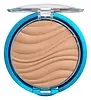 Key Ingredients
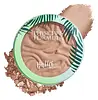
Benefits
Concerns
No concerns
Ingredients Side-by-side
Titanium Dioxide 15%
Cosmetic Colorant

Zinc Oxide 10%
Cosmetic Colorant
Mica
Cosmetic ColorantTricaprylin
Perfuming
Boron Nitride
Absorbent
Zinc Stearate
Cosmetic ColorantLauroyl Lysine
Skin Conditioning
Calcium Aluminum Borosilicate
Camellia Oleifera Leaf Extract
AstringentChamomilla Recutita Flower Extract
Masking


Ginkgo Biloba Leaf Extract
Skin Conditioning
Panax Ginseng Root Extract
Emollient

Carthamus Tinctorius Seed Oil
Masking

Tocopheryl Acetate
Antioxidant


Retinyl Palmitate
Skin Conditioning

Ascorbyl Palmitate
Antioxidant
Chlorphenesin
Antimicrobial
Potassium Sorbate
Preservative
Sodium Dehydroacetate
Preservative
Iron Oxides
Titanium Dioxide 15%, Zinc Oxide 10%, Mica, Tricaprylin, Boron Nitride, Zinc Stearate, Lauroyl Lysine, Calcium Aluminum Borosilicate, Camellia Oleifera Leaf Extract, Chamomilla Recutita Flower Extract, Ginkgo Biloba Leaf Extract, Panax Ginseng Root Extract, Carthamus Tinctorius Seed Oil, Tocopheryl Acetate, Retinyl Palmitate, Ascorbyl Palmitate, Chlorphenesin, Potassium Sorbate, Sodium Dehydroacetate, Iron Oxides
Talc
Abrasive
Synthetic Sapphire
Mica
Cosmetic ColorantDimethiconol Stearate
EmollientIsostearyl Neopentanoate
Emollient
Octyldodecyl Stearoyl Stearate
Emollient
Astrocaryum Murumuru Seed Butter
Emollient
Parfum
Masking


Astrocaryum Tucuma Seed Butter
Emollient
Theobroma Grandiflorum Seed Butter
Skin Conditioning
Ascorbyl Palmitate
Antioxidant
Citric Acid
Buffering
Glyceryl Oleate
Emollient
Glyceryl Stearate
Emollient
Lauroyl Lysine
Skin Conditioning
Lecithin
Emollient
Polybutene
Tin Oxide
Abrasive
Tocopherol
Antioxidant
Aluminum Hydroxide
EmollientCaprylyl Glycol
Emollient
Hexylene Glycol
EmulsifyingPhenoxyethanol
Preservative
Iron Oxides
CI 15850
Cosmetic ColorantTitanium Dioxide
Cosmetic Colorant
Talc, Synthetic Sapphire, Mica, Dimethiconol Stearate, Isostearyl Neopentanoate, Octyldodecyl Stearoyl Stearate, Astrocaryum Murumuru Seed Butter, Parfum, Astrocaryum Tucuma Seed Butter, Theobroma Grandiflorum Seed Butter, Ascorbyl Palmitate, Citric Acid, Glyceryl Oleate, Glyceryl Stearate, Lauroyl Lysine, Lecithin, Polybutene, Tin Oxide, Tocopherol, Aluminum Hydroxide, Caprylyl Glycol, Hexylene Glycol, Phenoxyethanol, Iron Oxides, CI 15850, Titanium Dioxide
Reviews
Alternatives
Ingredients Explained
These ingredients are found in both products.
Ingredients higher up in an ingredient list are typically present in a larger amount.
Ascorbyl Palmitate is a fat-soluble form of vitamin C (Ascorbic Acid) made by combining it with palmitic acid.
It is able to blend easily into creams and oil-based formulas because it dissolves in oils rather than water.
As you may know, regular vitamin C is notorious for breaking down when exposed to sunlight and air. Ascorbyl Palmitate is more stable and degrades at a slower rate.
Research on whether it converts efficiently into active vitamin C once it's applied on your skin is still limited.
Some in-vitro studies suggest it may support collagen production, but it is not considered one of the stronger vitamin C derivatives, like:
Due to the palmitic acid base, this ingredient may not be fungal acne safe. Comedogenic studies have also shown this ingredient to have a rating of 2.
It's also worth keeping in mind that comedogenic and irritancy ratings are tested on individual ingredients, not finished formulas. The final product's formulation, concentration, and other ingredients all play a role in how something actually behaves on your skin.
Learn more about Ascorbyl PalmitateThis ingredient comes from a fatty acid (lauric acid) and amino acid (lysine). It is used to add a silky feel to cosmetics.
According to a manufacturer, its fatty acid base leaves a silky feeling on the skin. It also has emollient properties because of this. Emollients help soften skin by preventing water from evaporating.
Lauroyl lysine is barely soluble in water.
Learn more about Lauroyl LysineMica is a naturally occurring mineral used to add shimmer and color in cosmetics. It can also help improve the texture of a product or give it an opaque, white/silver color.
Serecite is the name for very fine but ragged grains of mica.
This ingredient is often coated with metal oxides like titanium dioxide. Trace amounts of heavy metals may be found in mica, but these metals are not harmful in our personal products.
Mica has been used since prehistoric times throughout the world. Ancient Egyptian, Indian, Greek, Roman, Aztec, and Chinese civilizations have used mica.
Learn more about MicaTitanium dioxide is a mineral UV filter widely used in sunscreens and cosmetics.
It is one of only two UV filters officially classified as “mineral” by regulatory agencies, the other being zinc oxide.
Titanium dioxide provides broad-spectrum protection mostly in the UVB and UVAII range, with some protection in the UVAI range.
While its UVA protection isn’t as strong as zinc oxide’s, the difference is minor.
A common myth is that mineral UV filters reflect UV light. However, modern research shows titanium dioxide absorbs UV radiation like chemical filters (~95% absorption & 5% reflection).
Thanks to its non-irritating nature, titanium dioxide is suitable for sensitive, acne-prone, or redness-prone skin. It is unlikely to cause "eye sting" like other sunscreen ingredients.
A major drawback of this ingredient is its white cast and thick texture. This is why mineral sunscreens often leave a white cast and are less cosmetically elegant than chemical/hybrid sunscreens.
To improve white cast and spreadability, micronized or nano-sized titanium dioxide is often used.
There are ongoing concerns surrounding nano-titanium oxide's impact on marine ecosystems.
There is no conclusive evidence that any form of titanium oxide (or any other sunscreen ingredients) will cause harm to marine ecosystems or coral reefs. The science is still developing but many consumers are keeping a close eye on this issue.
Please note, many destinations have reef-safety sunscreen rules. For instance, the U.S. Virgin Islands advises all visitors to use non-nano mineral sunscreens.
Nano mineral sunscreens once raised safety concerns about absorption into skin.
Extensive research has shown that they do not penetrate healthy or damaged skin; they remain safely on the surface and the top layer of dead skin (stratum corneum).
You'll likely find titanium dioxide bundled with alumina, silica, or dimethicone. These ingredients help make titanium dioxide highly photostable; this prevents it from interacting with other formula components under UV light.
Learn more about Titanium DioxideThis ingredient is a combination of red, black, and yellow iron oxide pigments. This combination of colors is usually found in foundation, because it results in a "skin" color.
The EU typically uses CI numbers for colorants when applicable, such as CI 77489. In the US, iron oxides are regulated as color additives and "iron oxides" is the most commonly used name in US cosmetic practice.
A 2021 paper looked at skincare formulations containing iron oxides and found that they reduced transmission of blue light when measured optically. In simple terms, the pigment particles helped block or scatter part of the visible light spectrum in lab testing and the authors suggest this could translate into better protection against blue-light-related skin effects.
There is also clinical and experimental research showing that tinted products containing iron oxides can reduce visible light-induced pigmentation:
Please note, whether a product reduces visible or blue light depends on things like:
In the EU's CosIng database, iron oxides are only listed as a colorant. CosIng groups ingredients by their main cosmetic role, such as colorant, preservative, or UV filter.
Though studies say iron oxides can "attenuate blue light", they're describing an optical property and not an officially recognized cosmetic function.
So CosIng isn’t contradicting the research. It’s just classifying iron oxides by what they officially are: pigments that add color.
Learn more about Iron Oxides
