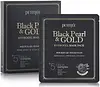
This hydrating sheet mask is formulated around Beta-Glucan to hydrate skin and calm redness.
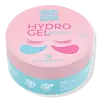
This hydrating eye mask is formulated around Sodium Hyaluronate and Glycyrrhiza Glabra Root Extract to hydrate skin and calm redness.


What's inside
What's inside
 Key Ingredients
Benefits
Concerns
Ingredients Side-by-side
Water
Skin ConditioningGlycerin
Humectant


Calcium Chloride
AstringentMethylpropanediol
SolventCeratonia Siliqua Gum
EmollientXanthan Gum
EmulsifyingCaprylic/Capric Triglyceride
Masking
Ricinus Communis Seed Oil
Masking



Beta-Glucan
Skin Conditioning

Persea Gratissima Oil
Skin Conditioning

Chondrus Crispus Powder
Abrasive
Phenoxyethanol
Preservative
Peat Water
Skin ConditioningScutellaria Baicalensis Root Extract
Astringent
Camellia Sinensis Leaf Extract
Antimicrobial




Houttuynia Cordata Extract
Skin Conditioning
Artemisia Princeps Leaf Extract
Skin ConditioningCitrus Junos Fruit Extract
Skin Conditioning1,2-Hexanediol
Skin Conditioning
Caprylyl Glycol
Emollient
Ethyl Hexanediol
SolventChlorphenesin
Antimicrobial
Synthetic Fluorphlogopite
Titanium Dioxide
Cosmetic Colorant

CI 77499
Cosmetic ColorantCI 77491
Cosmetic ColorantHydroxyethylcellulose
Emulsion StabilisingParfum
Masking

Disodium EDTA
ChelatingPearl Extract
Antioxidant
Laminaria Digitata Extract
Skin Protecting
Undaria Pinnatifida Extract
Skin ConditioningPearl Powder
Gold
Cosmetic ColorantWater, Glycerin, Calcium Chloride, Methylpropanediol, Ceratonia Siliqua Gum, Xanthan Gum, Caprylic/Capric Triglyceride, Ricinus Communis Seed Oil, Beta-Glucan, Persea Gratissima Oil, Chondrus Crispus Powder, Phenoxyethanol, Peat Water, Scutellaria Baicalensis Root Extract, Camellia Sinensis Leaf Extract, Houttuynia Cordata Extract, Artemisia Princeps Leaf Extract, Citrus Junos Fruit Extract, 1,2-Hexanediol, Caprylyl Glycol, Ethyl Hexanediol, Chlorphenesin, Synthetic Fluorphlogopite, Titanium Dioxide, CI 77499, CI 77491, Hydroxyethylcellulose, Parfum, Disodium EDTA, Pearl Extract, Laminaria Digitata Extract, Undaria Pinnatifida Extract, Pearl Powder, Gold
Water
Skin ConditioningPropylene Glycol
Humectant
Glycerin
Humectant
Chondrus Crispus
Masking
Sodium Hyaluronate
Humectant
Glycyrrhiza Glabra Root Extract
Bleaching
Centella Asiatica Extract
Cleansing
Polygonum Cuspidatum Root Extract
Antioxidant
Scutellaria Baicalensis Root Extract
Astringent
Chamomilla Recutita Flower Extract
Masking
Camellia Sinensis Leaf Extract
Antimicrobial
Rosmarinus Officinalis Leaf Extract
Antimicrobial1,2-Hexanediol
Skin Conditioning
Glucomannan
Skin ConditioningXanthan Gum
EmulsifyingCalcium Aluminum Borosilicate
Butylene Glycol
Humectant
Hydroxyacetophenone
Antioxidant
Synthetic Fluorphlogopite
Polyglutamic Acid
Skin Conditioning
Caprylyl Glycol
Emollient
Ethylhexylglycerin
Skin ConditioningGlucose
Humectant
Menthyl Lactate
Masking
Potassium Chloride
Tin Oxide
Abrasive
CI 77491
Cosmetic ColorantCI 77510
Cosmetic ColorantCI 77891
Cosmetic ColorantWater, Propylene Glycol, Glycerin, Chondrus Crispus, Sodium Hyaluronate, Glycyrrhiza Glabra Root Extract, Centella Asiatica Extract, Polygonum Cuspidatum Root Extract, Scutellaria Baicalensis Root Extract, Chamomilla Recutita Flower Extract, Camellia Sinensis Leaf Extract, Rosmarinus Officinalis Leaf Extract, 1,2-Hexanediol, Glucomannan, Xanthan Gum, Calcium Aluminum Borosilicate, Butylene Glycol, Hydroxyacetophenone, Synthetic Fluorphlogopite, Polyglutamic Acid, Caprylyl Glycol, Ethylhexylglycerin, Glucose, Menthyl Lactate, Potassium Chloride, Tin Oxide, CI 77491, CI 77510, CI 77891
Alternatives
Ingredients Explained
These ingredients are found in both products.
Ingredients higher up in an ingredient list are typically present in a larger amount.
1,2-Hexanediol is a synthetic liquid and another multi-functional powerhouse.
It is a:
- Humectant, drawing moisture into the skin
- Emollient, helping to soften skin
- Solvent, dispersing and stabilizing formulas
- Preservative booster, enhancing the antimicrobial activity of other preservatives
Camellia Sinensis Leaf Extract (tea extract) is one of the most well-researched plant extracts in skincare with an impressive resume.
Black tea, green tea, and oolong tea are all harvested from the Camellia Sinensis plant.
Studies show green tea extract and its catechins (like epigallocatechin gallate (EGCG)) help your skin cells product energy more efficiently and reducing the number of free-radicals that can damage your skin from the inside.
In lab-grown skin models, this translated to younger, healthier, and stronger skin.
There's also good sun protection data; researchers saw less DNA damage and redness on human skin when green tea was applied before UVB exposure. And the more they applied, the better the protection.
Needless to say, this ingredient shouldn't replace your sunscreen. But it is a great supportive ingredient that you can already find in many sunscreens and antioxidant serums.
A 2009 study found a 2% green tea lotion was effective for mild-to-moderate acne thanks to its anti-inflammatory and mild antimicrobial activity.
The quality of the extract matters a lot here:
Good extracts contain 50-90% catechins while lower quality ones are mostly there for marketing. We recommend reaching out to the brand if you have questions about the quality or source of their ingredients.
Human Repeated Insult Patch Testing showed no irritation or sensitization at use concentrations (0.86% in leave-on products and up to 30% as leaf water).
Learn more about Camellia Sinensis Leaf ExtractCaprylyl Glycol is a humectant, skin conditioner, emollient, and preservative booster derived from either caprylic acid or synthetically created.
Typical use levels vary from 0.3-1% as a preservative booster and go up to 2% to condition skin.
Because it is not a free-fatty acid, this ingredient is fungal acne safe (there's nothing for Malassezia to feed on).
Learn more about Caprylyl GlycolCi 77491 is also hydrated iron III oxide. It's sole purpose is to give a red/pink hue to products.
Iron III oxides are classified as inorganic chemicals for coloring.
Synthetically created Ci 77491 is considered safer than those naturally found. This is because the synthetically created version may contain less impurities. Iron oxides are generally non-toxic and non-allergenic.
Learn more about CI 77491Glycerin (or glycerol) is a compound naturally found in your skin. It's a powerhouse humectant that pulls water into the stratum corneum.
Topically, glycerin does several things at once:
Your skin makes glycerin on its own (mostly from sebaceous oil breakdown) and shuttles it to your outermost layer of skin, or your epidermis, via aquaporin-3.
Aquaporin-3 is a transporter that is essential for normal skin hydration, elasticity, and repair. Interestingly, mice lacking in AQP3 have dry and less elastic skin that can be fully corrected with glycerin.
This ingredient is non-irritating, plays well with almost every ingredient, and works across all skin types. Typical use is anywhere between 3-10% but can go up to 79% in some leave-on products.
Just know very high concentrations (>40%) can feel tacky in low humidity.
Glycerin is the name for this ingredient in American English. British English uses Glycerol/Glycerine.
Learn more about GlycerinScutellaria Baicalensis Root Extract comes from the Baikal skullcap or Chinese skullcap plant. This plant is native to Northeast Asia and can be found in China, Mongolia, Korea, and Siberia.
In cosmetics, Scutellaria Baicalensis Root Extract provides antioxidant and anti-inflammatory benefits. This is due to the flavonoid composition of Scutellaria Baicalensis Root Extract.
In Chinese traditional folk medicine, Scutellaria Baicalensis Root Extract is used to help treat lung issues and hypertension.
Learn more about Scutellaria Baicalensis Root ExtractSynthetic Fluorphlogopite is the synthethic version of mica. It consists of fluorine, aluminum and silicate.
Synthetic Fluorphlogopite is used to add volume to products.
It is considered non-irritating on the skin.
Learn more about Synthetic FluorphlogopiteWater. It's the most common cosmetic ingredient of all. You'll usually see it at the top of ingredient lists, meaning that it makes up the largest part of the product.
So why is it so popular? Water most often acts as a solvent - this means that it helps dissolve other ingredients into the formulation.
You'll also recognize water as that liquid we all need to stay alive. If you see this, drink a glass of water. Remember to stay hydrated!
Learn more about WaterXanthan gum is used as a stabilizer and thickener within cosmetic products. It helps give products a sticky, thick feeling - preventing them from being too runny.
On the technical side of things, xanthan gum is a polysaccharide - a combination consisting of multiple sugar molecules bonded together.
Xanthan gum is a pretty common and great ingredient. It is a natural, non-toxic, non-irritating ingredient that is also commonly used in food products.
Learn more about Xanthan Gum

