Peter Thomas Roth Water Drench Hyaluronic Jelly Moisturizer Versus Biossance Squalane + Probiotic Gel Moisturizer
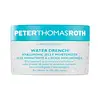
This barrier-repair moisturizer is formulated around Sodium Hyaluronate and Aloe Barbadensis Leaf Juice to strengthen the skin barrier and hydrate skin.
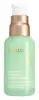
This barrier-repair moisturizer is formulated around Squalane to strengthen the skin barrier and hydrate skin.

What's inside
What's inside
 Key Ingredients
Benefits
Concerns
Ingredients Side-by-side
Water
Skin ConditioningGlycereth-26
Humectant
Citrus Aurantium Bergamia Fruit Water
Skin ConditioningMethylpropanediol
SolventGlycerin
Humectant

Sodium Hyaluronate
Humectant


Amylopectin
Lithothamnion Calcareum Extract
Skin ConditioningAloe Barbadensis Leaf Juice
Skin Conditioning
Lactic Acid
Buffering








Panthenol
Skin Conditioning
Citric Acid
Buffering
Xanthan Gum
EmulsifyingCarbomer
Emulsion StabilisingSodium Phytate
ChelatingPotassium Sorbate
Preservative
Sodium Benzoate
Masking
Hydroxyethylcellulose
Emulsion StabilisingMethylglucamine
Pentylene Glycol
Skin Conditioning
Ethylhexylglycerin
Skin ConditioningSodium Acryloyldimethyltaurate/Vp Crosspolymer
Emulsion StabilisingT-Butyl Alcohol
Perfuming



Phenoxyethanol
Preservative
Water, Glycereth-26, Citrus Aurantium Bergamia Fruit Water, Methylpropanediol, Glycerin, Sodium Hyaluronate, Amylopectin, Lithothamnion Calcareum Extract, Aloe Barbadensis Leaf Juice, Lactic Acid, Panthenol, Citric Acid, Xanthan Gum, Carbomer, Sodium Phytate, Potassium Sorbate, Sodium Benzoate, Hydroxyethylcellulose, Methylglucamine, Pentylene Glycol, Ethylhexylglycerin, Sodium Acryloyldimethyltaurate/Vp Crosspolymer, T-Butyl Alcohol, Phenoxyethanol
Water
Skin ConditioningGlycerin
Humectant
Squalane
Emollient
Lepidium Sativum Sprout Extract
Skin ConditioningSodium Acrylates Copolymer
Caprylic/Capric Triglyceride
Masking
Phenoxyethanol
Preservative
Capryloyl Glycerin/Sebacic Acid Copolymer
Skin ConditioningLecithin
Emollient
Caprylyl Glycol
Emollient
Diheptyl Succinate
EmollientIsoeicosane
EmollientAllantoin
Skin Conditioning
Bisabolol
Antioxidant
Sodium Phytate
ChelatingGlycine Soja Sterols
Emollient
Linoleic Acid
Cleansing
Phospholipids
Skin Conditioning
Hansenula/Kloeckera/Lactobacillus/Lactococcus/Leuconostoc/Pediococcus/Saccharomyces/Fig/Lemon Ferment
Skin Conditioning
Chondrus Crispus Extract
Skin Conditioning
Sorbitan Oleate
Emulsifying
Cellulose Gum
Emulsion StabilisingChitosan
1,2-Hexanediol
Skin Conditioning
Sodium Hyaluronate
Humectant
Citric Acid
Buffering
Potassium Sorbate
Preservative
Water, Glycerin, Squalane, Lepidium Sativum Sprout Extract, Sodium Acrylates Copolymer, Caprylic/Capric Triglyceride, Phenoxyethanol, Capryloyl Glycerin/Sebacic Acid Copolymer, Lecithin, Caprylyl Glycol, Diheptyl Succinate, Isoeicosane, Allantoin, Bisabolol, Sodium Phytate, Glycine Soja Sterols, Linoleic Acid, Phospholipids, Hansenula/Kloeckera/Lactobacillus/Lactococcus/Leuconostoc/Pediococcus/Saccharomyces/Fig/Lemon Ferment, Chondrus Crispus Extract, Sorbitan Oleate, Cellulose Gum, Chitosan, 1,2-Hexanediol, Sodium Hyaluronate, Citric Acid, Potassium Sorbate
Reviews
Ingredients Explained
These ingredients are found in both products.
Ingredients higher up in an ingredient list are typically present in a larger amount.
Citric Acid is an alpha hydroxy acid (AHA) naturally found in citrus fruits like oranges, lemons, and limes.
Like other AHAs, citric acid can exfoliate skin by breaking down the bonds that hold dead skin cells together. This helps reveal smoother and brighter skin underneath.
However, this exfoliating effect only happens at high concentrations (20%) which can be hard to find in cosmetic products.
Due to this, citric acid is usually included in small amounts as a pH adjuster. This helps keep products slightly more acidic and compatible with skin's natural pH.
In skincare formulas, citric acid can:
While it can provide some skin benefits, research shows lactic acid and glycolic acid are generally more effective and less irritating exfoliants.
Most citric acid used in skincare today is made by fermenting sugars (usually from molasses). This synthetic version is identical to the natural citrus form but easier to stabilize and use in formulations.
Rosacea skin has a lower threshold for acids generally, with 62.5% of rosacea subjects in one study reacting to lactic acid in a sting test. This is why we mark citric acid as a potential rosacea trigger.
However, this ingredient shows up as a pH adjuster or chelator at roughly 0.1-1% in many products. These low levels are unlikely to be an issue for rosacea skin and becomes a potential trigger at exfoliating concentrations (20%). Because everybody's skin is unique, we recommend a patch test if you are unsure.
Learn more about Citric AcidGlycerin (or glycerol) is a compound naturally found in your skin. It's a powerhouse humectant that pulls water into the stratum corneum.
Topically, glycerin does several things at once:
Your skin makes glycerin on its own (mostly from sebaceous oil breakdown) and shuttles it to your outermost layer of skin, or your epidermis, via aquaporin-3.
Aquaporin-3 is a transporter that is essential for normal skin hydration, elasticity, and repair. Interestingly, mice lacking in AQP3 have dry and less elastic skin that can be fully corrected with glycerin.
This ingredient is non-irritating, plays well with almost every ingredient, and works across all skin types. Typical use is anywhere between 3-10% but can go up to 79% in some leave-on products.
Just know very high concentrations (>40%) can feel tacky in low humidity.
Glycerin is the name for this ingredient in American English. British English uses Glycerol/Glycerine.
Learn more about GlycerinPhenoxyethanol is one of the most widely used preservatives in skincare (and for good reason!).
It has a large spectrum of antimicrobial activity and especially effective bacteria, yeast, and mold while only having a weak effect on your skin's natural microbiome.
On a cellular level, it disrupts the cell membranes of microbes by poking holes that make the cell leak. This shuts down the chemical reactions the microbe needs to make energy so it can no longer survive.
Another perk of this ingredient is that it stays functional across a wide pH range (3-10).
You'll often see it paired with boosters like Ethylhexylglycerin; one study showed that a 1:9 ratio of Ethylhexylglycerin to Phenoxyethanol damages bacterial membranes as effectively as doubling the Phenoxyethanol concentration on its own.
Typical use concentrations range from 0.3-1% depending on the formula, and this ingredient is capped at 1% int the EU.
Safety-wise, the fear mongering does not hold up to the evidence. The EU's Scientific Committee on Consumer Safety and FDA consider it safe as a preservative at up to 1%, including for children of all ages.
Adverse systemic effects only showed up in animal studies at exposures roughly 200x higher than what people get from cosmetics. And despite its very widespread use, this ingredient is a rare sensitizer and allergic reactions are uncommon.
Learn more about PhenoxyethanolPotassium Sorbate is a preservative used to prevent yeast and mold in products. It is commonly found in both cosmetic and food products.
This ingredient comes from potassium salt derived from sorbic acid. Sorbic acid is a natural antibiotic and effective against fungus.
Both potassium sorbate and sorbic acid can be found in baked goods, cheeses, dried meats, dried fruit, ice cream, pickles, wine, yogurt, and more.
You'll often find this ingredient used with other preservatives.
Learn more about Potassium SorbateSodium Hyaluronate is the salt form of hyaluronic acid. It is a long sugar chain that is naturally found in your skin, joints, and connective tissue that maintains hydration and elasticity.
In skincare, it works as a humectant. It pulls water from the environment and deeper layers of skin and binds it to the surface.
Interestingly, the size of the molecule affects its behavior:
Some clinical evidence links low molecular weight versions to improved wrinkle depth, elasticity, anti-inflammatory effects, and barrier repair.
Many serums use a blend of both weights so you can get surface hydration plus longer-lasting and deeper effects.
You'll typically see concentrations between 0.1-2% for this ingredient.
Learn more about Sodium HyaluronateSodium Phytate is the sodium salt of Phytic acid, a compound that plants store phosphorus in. It's the plant-derived alternative to ingredients like Disodium EDTA.
In skincare, this ingredient is a chelator that grabs onto trace metal ions like iron and copper that sneak into formulas through water/raw materials.
Those metals speed up oxidation so binding them keeps oils, fragrance, and actives from going off, stops color changes, and helps the preservative system work harder.
Survey data shows usage levels range from 0.0099%-0.5% in leave-on products, 0.025%-0.3% in rinse-off, and up to 0.05% in eye-area products. Suppliers typically recommend a range between 0.05-0.5%.
Learn more about Sodium PhytateWater. It's the most common cosmetic ingredient of all. You'll usually see it at the top of ingredient lists, meaning that it makes up the largest part of the product.
So why is it so popular? Water most often acts as a solvent - this means that it helps dissolve other ingredients into the formulation.
You'll also recognize water as that liquid we all need to stay alive. If you see this, drink a glass of water. Remember to stay hydrated!
Learn more about Water

