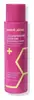
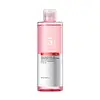
Peach Slices L-Glutathione Glow On Brightening Toner Versus Anua Niacinamide TXA Brightening Booster Toner
This brightening toner is formulated around Glutathione and Glycyrrhiza Glabra Root Extract to brighten dull-looking skin and fade the look of dark spots.
This brightening toner is formulated around Niacinamide and Tranexamic Acid to fade the look of dark spots and brighten dull-looking skin.

What's inside
What's inside
 Key Ingredients
Benefits
Concerns
Ingredients Side-by-side
Water
Skin ConditioningGlycerin
Humectant


1,2-Hexanediol
Skin Conditioning
Glutathione



Glycyrrhiza Glabra Root Extract
Bleaching
Magnesium Ascorbyl Phosphate
Antioxidant




Polyglutamic Acid
Skin Conditioning
Ceramide NP
Skin Conditioning
Astragalus Membranaceus Root Extract
Emollient
Schisandra Chinensis Fruit Water
MaskingButylene Glycol
Humectant
Hydrogenated Lecithin
Emulsifying
Allantoin
Skin Conditioning
Tocopherol
Antioxidant
Sodium Citrate
BufferingSodium Phytate
Citric Acid
Buffering

Polyglyceryl-10 Laurate
Skin Conditioning
Ethylhexylglycerin
Skin ConditioningWater, Glycerin, 1,2-Hexanediol, Glutathione, Glycyrrhiza Glabra Root Extract, Magnesium Ascorbyl Phosphate, Polyglutamic Acid, Ceramide NP, Astragalus Membranaceus Root Extract, Schisandra Chinensis Fruit Water, Butylene Glycol, Hydrogenated Lecithin, Allantoin, Tocopherol, Sodium Citrate, Sodium Phytate, Citric Acid, Polyglyceryl-10 Laurate, Ethylhexylglycerin
Water
Skin ConditioningNiacinamide
Smoothing


Propanediol
Solvent
1,2-Hexanediol
Skin Conditioning
Glycerin
Humectant
Glycereth-25 PCA Isostearate
Emulsifying
Tranexamic Acid
Astringent
Ethylhexylglycerin
Skin ConditioningCarbomer
Emulsion StabilisingCellulose Gum
Emulsion StabilisingAdenosine
Skin Conditioning
Aminomethyl Propanediol
BufferingBiosaccharide Gum-1
Humectant
Disodium EDTA
Butylene Glycol
Humectant
Glycine Soja Seed Extract
Skin Conditioning
Centella Asiatica Extract
Cleansing
Pentylene Glycol
Skin Conditioning
Beta-Glucan
Skin Conditioning
Coptis Japonica Root Extract
Skin ConditioningOctanediol
Cynanchum Atratum Extract
Skin ConditioningCyanocobalamin
Skin ConditioningAlthaea Rosea Flower Extract
Skin ConditioningPropylene Glycol
Humectant
Pyridoxine Hcl
Skin ConditioningXylitylglucoside
Humectant
Polyglyceryl-10 Oleate
Skin Conditioning
Kojic Acid
Antioxidant
Anhydroxylitol
Humectant
Xylitol
Humectant
Xylose
HumectantPhloretin
Antioxidant
Polyacrylate Crosspolymer-6
Emulsion StabilisingXanthan Gum
EmulsifyingZinc Lactate
Sodium Surfactin
CleansingGlutathione
Water, Niacinamide, Propanediol, 1,2-Hexanediol, Glycerin, Glycereth-25 PCA Isostearate, Tranexamic Acid, Ethylhexylglycerin, Carbomer, Cellulose Gum, Adenosine, Aminomethyl Propanediol, Biosaccharide Gum-1, Disodium EDTA, Butylene Glycol, Glycine Soja Seed Extract, Centella Asiatica Extract, Pentylene Glycol, Beta-Glucan, Coptis Japonica Root Extract, Octanediol, Cynanchum Atratum Extract, Cyanocobalamin, Althaea Rosea Flower Extract, Propylene Glycol, Pyridoxine Hcl, Xylitylglucoside, Polyglyceryl-10 Oleate, Kojic Acid, Anhydroxylitol, Xylitol, Xylose, Phloretin, Polyacrylate Crosspolymer-6, Xanthan Gum, Zinc Lactate, Sodium Surfactin, Glutathione
Reviews
Ingredients Explained
These ingredients are found in both products.
Ingredients higher up in an ingredient list are typically present in a larger amount.
1,2-Hexanediol is a synthetic liquid and another multi-functional powerhouse.
It is a:
- Humectant, drawing moisture into the skin
- Emollient, helping to soften skin
- Solvent, dispersing and stabilizing formulas
- Preservative booster, enhancing the antimicrobial activity of other preservatives
Butylene Glycol (or BG) is used within cosmetic products for a few different reasons:
Overall, Butylene Glycol is a safe and well-rounded ingredient that works well with other ingredients.
Though this ingredient works well with most skin types, some people with sensitive skin may experience a reaction such as allergic rashes, closed comedones, or itchiness.
Learn more about Butylene GlycolEthylhexylglycerin is created from glycerin. It is a multitasker ingredient that:
The CIR Expert Panel found minimal skin absorption or sensitization of any kind in a safety assessment. Though this ingredient is considered well-tolerated, a small number of cases of allergic dermatitis have been published since 2002. Just be sure to patch test if you are unsure.
Industry-reported use ranges from 8% in rinse-off products and 2% in leave-on formulations.
Learn more about EthylhexylglycerinGlutathione is a tiny protein-like molecule (a "tripeptide" build from 3 amino acids: glycine, cysteine, and glutamic acid) that your body already makes on its own.
Inside your body, it acts as one of the skin's main antioxidants that help fight against free radicals.
In skincare, it's best known as a brightening ingredient that slows down tyrosinase, the key enzyme that makes skin pigment. It also nudges the skin toward making a lighter type of pigment instead of a darker one.
This is why you'll see it in products aimed at dark spots and uneven tone.
A small number of real human trials have found a topical glutathione lotion:
The honest caveat is that the current evidence is still thin (few studies, small groups, short timelines). Glutathione also doesn't absorb into skin very easily so results tend to be modest and fade if you stop using it.
One thing worth clearing up:
The scary side effects you may have heard about come from glutathione injected intravenously, which has real safety concerns. Applying it topically is a completely different thing and has a clean track record.
Most human studies used it around 2% (as Glutathione or Glutathione Disulfide) and a 2% oxidized glutathione lotion and a 2% S-acyl glutathione cream are the concentrations with actual clinical data behind them.
There's no established "ideal" percentage yet but 1-2% is the evidence-backed range.
Allergy-wise, there is very low risk for this ingredient; it was well-tolerated across the topical trials. Only one participant had mild temporary redness that cleared up on its own and another study reported no adverse reactions at all.
One trial had ~10% of users drop out for irritation was using a combination cream that also had 10% azelaic acid so the irritation likely wasn't from the glutathione. There's no notable contact-allergy signal for topical glutathione in the literature but patch-testing before first use is still sensible for those with sensitive skin.
Learn more about GlutathioneGlycerin (or glycerol) is a compound naturally found in your skin. It's a powerhouse humectant that pulls water into the stratum corneum.
Topically, glycerin does several things at once:
Your skin makes glycerin on its own (mostly from sebaceous oil breakdown) and shuttles it to your outermost layer of skin, or your epidermis, via aquaporin-3.
Aquaporin-3 is a transporter that is essential for normal skin hydration, elasticity, and repair. Interestingly, mice lacking in AQP3 have dry and less elastic skin that can be fully corrected with glycerin.
This ingredient is non-irritating, plays well with almost every ingredient, and works across all skin types. Typical use is anywhere between 3-10% but can go up to 79% in some leave-on products.
Just know very high concentrations (>40%) can feel tacky in low humidity.
Glycerin is the name for this ingredient in American English. British English uses Glycerol/Glycerine.
Learn more about GlycerinWater. It's the most common cosmetic ingredient of all. You'll usually see it at the top of ingredient lists, meaning that it makes up the largest part of the product.
So why is it so popular? Water most often acts as a solvent - this means that it helps dissolve other ingredients into the formulation.
You'll also recognize water as that liquid we all need to stay alive. If you see this, drink a glass of water. Remember to stay hydrated!
Learn more about Water

