Paula's Choice Resist Weightless Advanced Repairing Toner Versus Jordan Samuel Skin Antioxidant Treatment Emulsion
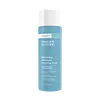
This anti-aging toner is formulated around Niacinamide and Acetyl Glucosamine to soften the look of wrinkles and strengthen the skin barrier.
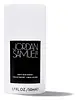
This calming emulsion is formulated around Aloe Barbadensis Leaf Juice and Niacinamide to calm redness and strengthen the skin barrier.

What's inside
What's inside
 Key Ingredients
Benefits
Concerns
Ingredients Side-by-side
Water
Skin ConditioningGlycerin
Humectant


Ethoxydiglycol
HumectantNiacinamide
Smoothing









Acetyl Glucosamine
Skin Conditioning
Salix Nigra Bark Extract
Skin ProtectingResveratrol
Antioxidant
Sodium Hyaluronate
Humectant
Palmitoyl Tetrapeptide-7
Skin Conditioning
Palmitoyl Tripeptide-1
Skin Conditioning
Phospholipids
Skin Conditioning
Epigallocatechin Gallate
Antioxidant
Carnosine
Skin Conditioning
Genistein
Skin ConditioningGlycyrrhiza Glabra Root Extract
Bleaching
Adenosine
Skin Conditioning
Xanthan Gum
EmulsifyingCitric Acid
Buffering

Polysorbate 20
Emulsifying
Butylene Glycol
Humectant
Ethylhexylglycerin
Skin ConditioningCarbomer
Emulsion StabilisingTetrasodium EDTA
Phenoxyethanol
Preservative
Water, Glycerin, Ethoxydiglycol, Niacinamide, Acetyl Glucosamine, Salix Nigra Bark Extract, Resveratrol, Sodium Hyaluronate, Palmitoyl Tetrapeptide-7, Palmitoyl Tripeptide-1, Phospholipids, Epigallocatechin Gallate, Carnosine, Genistein, Glycyrrhiza Glabra Root Extract, Adenosine, Xanthan Gum, Citric Acid, Polysorbate 20, Butylene Glycol, Ethylhexylglycerin, Carbomer, Tetrasodium EDTA, Phenoxyethanol
Aloe Barbadensis Leaf Juice
Skin Conditioning
Caprylic/Capric Triglyceride
Masking
Water
Skin ConditioningNiacinamide
Smoothing
Saccharomyces/Rice Ferment Filtrate
Skin Conditioning
Pentylene Glycol
Skin Conditioning
Cetearyl Olivate
Hydrogenated Starch Hydrolysate
HumectantJojoba Oil/Macadamia Seed Oil Esters
Skin Conditioning
Butylene Glycol
Humectant
Cetearyl Glucoside
Emulsifying
Sorbitan Olivate
Emulsifying
Brassica Oleracea Italica Seed Oil
Emollient
Resveratrol
Antioxidant
Panthenol
Skin Conditioning
Hydroxyacetophenone
Antioxidant
Cetyl Alcohol
Emollient
Caprylyl Glycol
Emollient
1,2-Hexanediol
Skin Conditioning
Astaxanthin
Skin Conditioning
Palmitoyl Tripeptide-8
Skin Conditioning
Allantoin
Skin Conditioning
Squalane
Emollient
Xanthan Gum
EmulsifyingHibiscus Abelmoschus Extract
MaskingJuglans Regia Seed Extract
Skin ConditioningSodium Phytate
Aphanizomenon Flos-Aquae Extract
HumectantPhytosteryl Macadamiate
Skin Conditioning
Phenoxyethanol
Preservative
Glycine Soja Sterols
Emollient
Ethylhexylglycerin
Skin ConditioningPotassium Sorbate
Preservative
Tocopherol
Antioxidant
Dextran
Alcohol
Antimicrobial



Aloe Barbadensis Leaf Juice, Caprylic/Capric Triglyceride, Water, Niacinamide, Saccharomyces/Rice Ferment Filtrate, Pentylene Glycol, Cetearyl Olivate, Hydrogenated Starch Hydrolysate, Jojoba Oil/Macadamia Seed Oil Esters, Butylene Glycol, Cetearyl Glucoside, Sorbitan Olivate, Brassica Oleracea Italica Seed Oil, Resveratrol, Panthenol, Hydroxyacetophenone, Cetyl Alcohol, Caprylyl Glycol, 1,2-Hexanediol, Astaxanthin, Palmitoyl Tripeptide-8, Allantoin, Squalane, Xanthan Gum, Hibiscus Abelmoschus Extract, Juglans Regia Seed Extract, Sodium Phytate, Aphanizomenon Flos-Aquae Extract, Phytosteryl Macadamiate, Phenoxyethanol, Glycine Soja Sterols, Ethylhexylglycerin, Potassium Sorbate, Tocopherol, Dextran, Alcohol
Reviews
Ingredients Explained
These ingredients are found in both products.
Ingredients higher up in an ingredient list are typically present in a larger amount.
Butylene Glycol (or BG) is used within cosmetic products for a few different reasons:
Overall, Butylene Glycol is a safe and well-rounded ingredient that works well with other ingredients.
Though this ingredient works well with most skin types, some people with sensitive skin may experience a reaction such as allergic rashes, closed comedones, or itchiness.
Learn more about Butylene GlycolEthylhexylglycerin is created from glycerin. It is a multitasker ingredient that:
The CIR Expert Panel found minimal skin absorption or sensitization of any kind in a safety assessment. Though this ingredient is considered well-tolerated, a small number of cases of allergic dermatitis have been published since 2002. Just be sure to patch test if you are unsure.
Industry-reported use ranges from 8% in rinse-off products and 2% in leave-on formulations.
Learn more about EthylhexylglycerinNiacinamide is a multitasking form of vitamin B3 that strengthens the skin barrier, reduces pores and dark spots, regulates oil, and improves signs of aging.
And the best part? It's gentle and well-tolerated by most skin types, including sensitive and reactive skin.
You might have heard of "niacin flush", or the reddening of skin that causes itchiness. Niacinamide has not been found to cause this.
In very rare cases, some individuals may not be able to tolerate niacinamide at all or experience an allergic reaction to it.
If you are experiencing flaking, irritation, and dryness with this ingredient, be sure to double check all your products as this ingredient can be found in all categories of skincare.
When incorporating niacinamide into your routine, look out for concentration amounts. Typically, 5% niacinamide provides benefits such as fading dark spots. However, if you have sensitive skin, it is better to begin with a smaller concentration.
When you apply niacinamide to your skin, your body converts it into nicotinamide adenine dinucleotide (NAD). NAD is an essential coenzyme that is already found in your cells as "fuel" and powers countless biological processes.
In your skin, NAD helps repair cell damage, produce new healthy cells, support collagen production, strengthen the skin barrier, and fight environmental stressors (like UV and pollution).
Our natural NAD levels start to decline with age, leading to slower skin repair, visible aging, and a weaker skin barrier. By providing your skin niacinamide, you're recharging your skin's NAD levels. This leads to stronger, healthier, and younger looking skin.
Another name for vitamin B3 is nicotinamide. This vitamin is water-soluble and our bodies don't store it. We obtain Vitamin B3 from either food or skincare. Meat, fish, wheat, yeast, and leafy greens contain vitamin B3.
The type of niacinamide used in skincare is synthetically created.
Learn more about NiacinamidePhenoxyethanol is one of the most widely used preservatives in skincare (and for good reason!).
It has a large spectrum of antimicrobial activity and especially effective bacteria, yeast, and mold while only having a weak effect on your skin's natural microbiome.
On a cellular level, it disrupts the cell membranes of microbes by poking holes that make the cell leak. This shuts down the chemical reactions the microbe needs to make energy so it can no longer survive.
Another perk of this ingredient is that it stays functional across a wide pH range (3-10).
You'll often see it paired with boosters like Ethylhexylglycerin; one study showed that a 1:9 ratio of Ethylhexylglycerin to Phenoxyethanol damages bacterial membranes as effectively as doubling the Phenoxyethanol concentration on its own.
Typical use concentrations range from 0.3-1% depending on the formula, and this ingredient is capped at 1% int the EU.
Safety-wise, the fear mongering does not hold up to the evidence. The EU's Scientific Committee on Consumer Safety and FDA consider it safe as a preservative at up to 1%, including for children of all ages.
Adverse systemic effects only showed up in animal studies at exposures roughly 200x higher than what people get from cosmetics. And despite its very widespread use, this ingredient is a rare sensitizer and allergic reactions are uncommon.
Learn more about PhenoxyethanolResveratrol is a well-studied polyphenol antioxidant that has gained attention in skincare for its protective and calming effects on the skin. It’s often considered a gentler option for people who can’t tolerate retinoids.
This antioxidant is best known for its anti-aging benefits. Research suggests resveratrol helps combat visible signs of aging by:
Beyond anti-aging, resveratrol is also valued for its skin-brightening and soothing properties.
Some forms of resveratrol appear to be more effective than others. Resveratrol isobutyrate and resveratrol butyrate are often cited as more stable derivatives.
Research also suggests these two forms have stronger effects on Type I collagen stimulation and inflammation reduction compared to basic resveratrol.
Resveratrol is naturally unstable and can degrade when exposed to light and oxygen. Well-designed products often use stabilized derivatives, airless or opaque packaging, and supporting antioxidants to help maintain effectiveness on skin.
A note on resveratrol as a retinoid alternative:
While resveratrol offers antioxidant protection, inflammation control, and some collagen-supporting benefits, it does not replace retinoids in terms of cell turnover or acne treatment.
However, it can be a useful option for people with retinoid sensitivity or intolerance, or for those looking to support skin health without irritation.
Fun fact: Resveratrol is naturally found in grapes, peanuts, and berries, which is why it’s frequently associated with wine and grape-derived skincare ingredients.
Learn more about ResveratrolWater. It's the most common cosmetic ingredient of all. You'll usually see it at the top of ingredient lists, meaning that it makes up the largest part of the product.
So why is it so popular? Water most often acts as a solvent - this means that it helps dissolve other ingredients into the formulation.
You'll also recognize water as that liquid we all need to stay alive. If you see this, drink a glass of water. Remember to stay hydrated!
Learn more about WaterXanthan gum is used as a stabilizer and thickener within cosmetic products. It helps give products a sticky, thick feeling - preventing them from being too runny.
On the technical side of things, xanthan gum is a polysaccharide - a combination consisting of multiple sugar molecules bonded together.
Xanthan gum is a pretty common and great ingredient. It is a natural, non-toxic, non-irritating ingredient that is also commonly used in food products.
Learn more about Xanthan Gum

