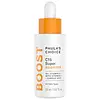
This brightening serum is formulated around Ascorbic Acid and Ferulic Acid to brighten dull-looking skin and soften the look of wrinkles.
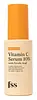
This brightening serum is formulated around 3-O-Ethyl Ascorbic Acid and Ferulic Acid to brighten dull-looking skin and fade the look of dark spots.


What's inside
What's inside
 Key Ingredients
Benefits
Concerns
No concerns
Ingredients Side-by-side
Water
Skin ConditioningAscorbic Acid
Antioxidant






Glycerin
Humectant

Ethoxydiglycol
HumectantPPG-26-Buteth-26
Skin ConditioningMannitol
Humectant
Tridecapeptide-1
Skin Conditioning
Palmitoyl Tripeptide-5
Skin Conditioning
Ergothioneine
Antioxidant

Sodium Hyaluronate
Humectant
Pentylene Glycol
Skin Conditioning
PEG-40 Hydrogenated Castor Oil
Emulsifying


Bisabolol
Antioxidant
Sodium Gluconate
Skin ConditioningDecylene Glycol
Skin ConditioningFerulic Acid
Antimicrobial
Oryza Sativa Bran Extract
Skin Conditioning
Tocopherol
Antioxidant
Polyacrylate Crosspolymer-6
Emulsion Stabilising1,2-Hexanediol
Skin Conditioning
Panthenol
Skin Conditioning
Sodium Phytate
Sodium Hydroxide
BufferingCitric Acid
Buffering
Phenoxyethanol
Preservative
Water, Ascorbic Acid, Glycerin, Ethoxydiglycol, PPG-26-Buteth-26, Mannitol, Tridecapeptide-1, Palmitoyl Tripeptide-5, Ergothioneine, Sodium Hyaluronate, Pentylene Glycol, PEG-40 Hydrogenated Castor Oil, Bisabolol, Sodium Gluconate, Decylene Glycol, Ferulic Acid, Oryza Sativa Bran Extract, Tocopherol, Polyacrylate Crosspolymer-6, 1,2-Hexanediol, Panthenol, Sodium Phytate, Sodium Hydroxide, Citric Acid, Phenoxyethanol
Water
Skin Conditioning3-O-Ethyl Ascorbic Acid
Skin Conditioning
Ethoxydiglycol
HumectantButylene Glycol
Humectant
Panthenol
Skin Conditioning
Triethanolamine
BufferingFerulic Acid
Antimicrobial
Allantoin
Skin Conditioning
Phenoxyethanol
Preservative
Pentylene Glycol
Skin Conditioning
Sodium Hyaluronate
Humectant
Glycerin
Humectant
Tocopheryl Acetate
Antioxidant
Lactobacillus/Lemon Peel Ferment Extract
Skin ConditioningCitrus Aurantium Dulcis Peel Extract
Emulsion Stabilising
Acrylates/C10-30 Alkyl Acrylate Crosspolymer
Emulsion StabilisingTranexamic Acid
Astringent
Tranexamoyl Dipeptide-22
Bleaching
Nicotinoyl Dipeptide-22
Skin Conditioning
Bifida Ferment Lysate
Skin Conditioning
Ethylhexylglycerin
Skin ConditioningSodium Bisulfite
Antioxidant
Water, 3-O-Ethyl Ascorbic Acid, Ethoxydiglycol, Butylene Glycol, Panthenol, Triethanolamine, Ferulic Acid, Allantoin, Phenoxyethanol, Pentylene Glycol, Sodium Hyaluronate, Glycerin, Tocopheryl Acetate, Lactobacillus/Lemon Peel Ferment Extract, Citrus Aurantium Dulcis Peel Extract, Acrylates/C10-30 Alkyl Acrylate Crosspolymer, Tranexamic Acid, Tranexamoyl Dipeptide-22, Nicotinoyl Dipeptide-22, Bifida Ferment Lysate, Ethylhexylglycerin, Sodium Bisulfite
Reviews
Ingredients Explained
These ingredients are found in both products.
Ingredients higher up in an ingredient list are typically present in a larger amount.
Ethoxydiglycol (aka Diethylene Glycol Monoethyl Ether) is one of the cosmetic world's quiet problem solvers.
In a formula, it is a solvent that dissolves tricky ingredients that don't want to mix in and helps spread ingredients evenly across your skin without leaving a greasy or sticky feeling
This makes it great for hard-to-dissolve actives like vitamin C, benzoyl peroxide, and self-tanner DHA.
It also has mild humectant and penetration enhancer abilities so it can help some actives absorb a little deeper.
The penetration boost is backed by lab research: studies using human skin samples found it improved how well an active dissolves into the upper layer of skin rather than tearing down your skin barrier. Reviews of its mechanism also describe it interacting gently with the lipids and water in your outermost layer of skin.
Just know this penetration-enhancing effect is not universal. It helps a lot in some formulas and did very little in others (so the benefit really depends on the specific product).
Safety-wise, the evidence is reassuring. The Cosmetic Ingredient Review Expert Panel reviewed it and concluded it's safe for use in cosmetics and recognized it as non-irritating, non-sensitizing, and non-comedogenic in skincare.
Typical leave-on skincare usage lands around 1-10%. The EU has sets caps of 2.6% in non-spray products, 10% in rinse-offs, 7% in oxidative hair dye, and 5% in non-oxidative hair dye.
Learn more about EthoxydiglycolFerulic Acid is a plant based antioxidant that can be naturally found in the cell walls of grains like rice, oats, and corn. It has antioxidant and antimicrobial properties, and has the ability to boost the performance of other antioxidants as well.
A well-known study found that adding Ferulic Acid to a solution of Vitamins C and E doubled the photoprotection of skin. This is why you'll often see it paired with Vitamin C or Vitamin E serums rather than sold on its own.
A 2025 review of 18 human studies found that using Ferulic Acid (0.5-1%) daily for one to three months showed improvements in:
As far as allergies go, Ferulic acid is generally well-tolerated but can cause an allergic reaction in very rare cases. It's also worth noting that Ferulic acid is often extracted from plant sources like rice bran or wheat bran, so be sure to path test if you have known grain allergies.
Outside of skincare, researchers are also looking into Ferulic Acid for its potential benefits in areas like diabetes, Alzheimer's, and heart health.
Learn more about Ferulic AcidGlycerin (or glycerol) is a compound naturally found in your skin. It's a powerhouse humectant that pulls water into the stratum corneum.
Topically, glycerin does several things at once:
Your skin makes glycerin on its own (mostly from sebaceous oil breakdown) and shuttles it to your outermost layer of skin, or your epidermis, via aquaporin-3.
Aquaporin-3 is a transporter that is essential for normal skin hydration, elasticity, and repair. Interestingly, mice lacking in AQP3 have dry and less elastic skin that can be fully corrected with glycerin.
This ingredient is non-irritating, plays well with almost every ingredient, and works across all skin types. Typical use is anywhere between 3-10% but can go up to 79% in some leave-on products.
Just know very high concentrations (>40%) can feel tacky in low humidity.
Glycerin is the name for this ingredient in American English. British English uses Glycerol/Glycerine.
Learn more about GlycerinPanthenol is a common ingredient that helps hydrate and soothe the skin. It is found naturally in our skin and hair.
There are two forms of panthenol: D and L.
D-panthenol is also known as dexpanthenol. Most cosmetics use dexpanthenol or a mixture of D and L-panthenol.
Panthenol is famous due to its ability to go deeper into the skin's layers. Using this ingredient has numerous pros (and no cons):
Like hyaluronic acid, panthenol is a humectant. Humectants are able to bind and hold large amounts of water to keep skin hydrated.
This ingredient works well for wound healing. It works by increasing tissue in the wound and helps close open wounds.
Once oxidized, panthenol converts to pantothenic acid. Panthothenic acid is found in all living cells.
This ingredient is also referred to as pro-vitamin B5.
Learn more about PanthenolPentylene Glycol (1,2-pentanediol) is a multitasking little diol with three main roles in a formula:
Research on alkanediols (the family pentylene glycol belongs to) show they work by disrupting microbial cell membranes. This disruption helps the primary preservative system in a product work more effectively at lower doses.
On the safety side, the Cosmetic Ingredient Review Expert Panel has concluded this ingredient to be safe as used in current cosmetic practices + concentrations.
Typical use levels in a formula run about 1-5%.
Learn more about Pentylene GlycolPhenoxyethanol is one of the most widely used preservatives in skincare (and for good reason!).
It has a large spectrum of antimicrobial activity and especially effective bacteria, yeast, and mold while only having a weak effect on your skin's natural microbiome.
On a cellular level, it disrupts the cell membranes of microbes by poking holes that make the cell leak. This shuts down the chemical reactions the microbe needs to make energy so it can no longer survive.
Another perk of this ingredient is that it stays functional across a wide pH range (3-10).
You'll often see it paired with boosters like Ethylhexylglycerin; one study showed that a 1:9 ratio of Ethylhexylglycerin to Phenoxyethanol damages bacterial membranes as effectively as doubling the Phenoxyethanol concentration on its own.
Typical use concentrations range from 0.3-1% depending on the formula, and this ingredient is capped at 1% int the EU.
Safety-wise, the fear mongering does not hold up to the evidence. The EU's Scientific Committee on Consumer Safety and FDA consider it safe as a preservative at up to 1%, including for children of all ages.
Adverse systemic effects only showed up in animal studies at exposures roughly 200x higher than what people get from cosmetics. And despite its very widespread use, this ingredient is a rare sensitizer and allergic reactions are uncommon.
Learn more about PhenoxyethanolSodium Hyaluronate is the salt form of hyaluronic acid. It is a long sugar chain that is naturally found in your skin, joints, and connective tissue that maintains hydration and elasticity.
In skincare, it works as a humectant. It pulls water from the environment and deeper layers of skin and binds it to the surface.
Interestingly, the size of the molecule affects its behavior:
Some clinical evidence links low molecular weight versions to improved wrinkle depth, elasticity, anti-inflammatory effects, and barrier repair.
Many serums use a blend of both weights so you can get surface hydration plus longer-lasting and deeper effects.
You'll typically see concentrations between 0.1-2% for this ingredient.
Learn more about Sodium HyaluronateWater. It's the most common cosmetic ingredient of all. You'll usually see it at the top of ingredient lists, meaning that it makes up the largest part of the product.
So why is it so popular? Water most often acts as a solvent - this means that it helps dissolve other ingredients into the formulation.
You'll also recognize water as that liquid we all need to stay alive. If you see this, drink a glass of water. Remember to stay hydrated!
Learn more about Water

