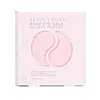
This brightening eye mask is formulated around Niacinamide and Resveratrol to brighten dull-looking skin.
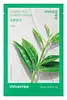
This hydrating sheet mask is formulated around Ceramide AP and Camellia Sinensis Leaf Extract to hydrate skin and calm redness.


What's inside
What's inside
 Key Ingredients
Benefits
Concerns
Ingredients Side-by-side
Water
Skin ConditioningGlycerin
Humectant


Dipropylene Glycol
Humectant1,2-Hexanediol
Skin Conditioning
Ceratonia Siliqua Gum
EmollientChondrus Crispus Powder
Abrasive


Betaine
Humectant
Chondrus Crispus Extract
Skin Conditioning
Potassium Chloride
Sucrose
Humectant
Niacinamide
Smoothing







Citrus Aurantium Dulcis Fruit Extract
MaskingGardenia Florida Fruit Extract
Skin ConditioningCamellia Sinensis Leaf Extract
Antimicrobial
Morus Nigra Fruit Extract
Skin ConditioningHydrolyzed Gardenia Florida Extract
Antioxidant
Resveratrol
Antioxidant
Ascorbic Acid
Antioxidant
Citric Acid
Buffering

Cellulose Gum
Emulsion StabilisingPhenoxyethanol
Preservative
Algin
MaskingDextrin
AbsorbentButylene Glycol
Humectant
Disodium EDTA
ChelatingPolysorbate 20
Emulsifying
Ethylhexylglycerin
Skin ConditioningMaltodextrin
Absorbent
Sodium Polyacrylate
Absorbent
Acacia Senegal Gum
MaskingPeat Water
Skin ConditioningHydroxypropyl Methylcellulose
Emulsion StabilisingPotassium Sorbate
Preservative
Parfum
Masking


Limonene
Perfuming
Hyaluronic Acid
Humectant
Fragaria Ananassa Fruit Extract
Skin Conditioning
Water, Glycerin, Dipropylene Glycol, 1,2-Hexanediol, Ceratonia Siliqua Gum, Chondrus Crispus Powder, Betaine, Chondrus Crispus Extract, Potassium Chloride, Sucrose, Niacinamide, Citrus Aurantium Dulcis Fruit Extract, Gardenia Florida Fruit Extract, Camellia Sinensis Leaf Extract, Morus Nigra Fruit Extract, Hydrolyzed Gardenia Florida Extract, Resveratrol, Ascorbic Acid, Citric Acid, Cellulose Gum, Phenoxyethanol, Algin, Dextrin, Butylene Glycol, Disodium EDTA, Polysorbate 20, Ethylhexylglycerin, Maltodextrin, Sodium Polyacrylate, Acacia Senegal Gum, Peat Water, Hydroxypropyl Methylcellulose, Potassium Sorbate, Parfum, Limonene, Hyaluronic Acid, Fragaria Ananassa Fruit Extract
Water
Skin ConditioningButylene Glycol
Humectant
Dipropylene Glycol
HumectantGlycerin
Humectant
Glyceryl Polymethacrylate
Ceramide AP
Skin Conditioning
1,2-Hexanediol
Skin Conditioning
Polyglyceryl-10 Laurate
Skin Conditioning
Carbomer
Emulsion StabilisingArginine
Masking
Glyceryl Caprylate
EmollientXanthan Gum
EmulsifyingEthylhexylglycerin
Skin ConditioningCamellia Sinensis Leaf Extract
Antimicrobial
Paeonia Suffruticosa Root Extract
Skin ProtectingCentella Asiatica Extract
Cleansing
Disodium EDTA
ChelatingChamomilla Recutita Flower Extract
Masking
Rosa Damascena Flower Water
Masking
Pyrus Communis Fruit Extract
Skin ConditioningCucumis Melo Seed Extract
Skin ConditioningDiethylhexyl Sodium Sulfosuccinate
CleansingIris Florentina Root Extract
MaskingSodium Hyaluronate
Humectant
Vetiveria Zizanoides Root Oil
Masking

Water, Butylene Glycol, Dipropylene Glycol, Glycerin, Glyceryl Polymethacrylate, Ceramide AP, 1,2-Hexanediol, Polyglyceryl-10 Laurate, Carbomer, Arginine, Glyceryl Caprylate, Xanthan Gum, Ethylhexylglycerin, Camellia Sinensis Leaf Extract, Paeonia Suffruticosa Root Extract, Centella Asiatica Extract, Disodium EDTA, Chamomilla Recutita Flower Extract, Rosa Damascena Flower Water, Pyrus Communis Fruit Extract, Cucumis Melo Seed Extract, Diethylhexyl Sodium Sulfosuccinate, Iris Florentina Root Extract, Sodium Hyaluronate, Vetiveria Zizanoides Root Oil
Reviews
Ingredients Explained
These ingredients are found in both products.
Ingredients higher up in an ingredient list are typically present in a larger amount.
1,2-Hexanediol is a synthetic liquid and another multi-functional powerhouse.
It is a:
- Humectant, drawing moisture into the skin
- Emollient, helping to soften skin
- Solvent, dispersing and stabilizing formulas
- Preservative booster, enhancing the antimicrobial activity of other preservatives
Butylene Glycol (or BG) is used within cosmetic products for a few different reasons:
Overall, Butylene Glycol is a safe and well-rounded ingredient that works well with other ingredients.
Though this ingredient works well with most skin types, some people with sensitive skin may experience a reaction such as allergic rashes, closed comedones, or itchiness.
Learn more about Butylene GlycolCamellia Sinensis Leaf Extract (tea extract) is one of the most well-researched plant extracts in skincare with an impressive resume.
Black tea, green tea, and oolong tea are all harvested from the Camellia Sinensis plant.
Studies show green tea extract and its catechins (like epigallocatechin gallate (EGCG)) help your skin cells product energy more efficiently and reducing the number of free-radicals that can damage your skin from the inside.
In lab-grown skin models, this translated to younger, healthier, and stronger skin.
There's also good sun protection data; researchers saw less DNA damage and redness on human skin when green tea was applied before UVB exposure. And the more they applied, the better the protection.
Needless to say, this ingredient shouldn't replace your sunscreen. But it is a great supportive ingredient that you can already find in many sunscreens and antioxidant serums.
A 2009 study found a 2% green tea lotion was effective for mild-to-moderate acne thanks to its anti-inflammatory and mild antimicrobial activity.
The quality of the extract matters a lot here:
Good extracts contain 50-90% catechins while lower quality ones are mostly there for marketing. We recommend reaching out to the brand if you have questions about the quality or source of their ingredients.
Human Repeated Insult Patch Testing showed no irritation or sensitization at use concentrations (0.86% in leave-on products and up to 30% as leaf water).
Learn more about Camellia Sinensis Leaf ExtractDipropylene Glycol is a synthetically created humectant, stabilizer, and solvent.
This ingredient helps:
Dipropylene glycol is technically an alcohol, but it belongs to the glycol family (often considered part of the ‘good’ alcohols). This means it is hydrating and gentle on skin unlike drying solvent alcohols like denatured alcohol.
As a masking agent, Dipropylene Glycol can be used to cover the smell of other ingredients. However, it does not have a scent.
Studies show Dipropylene Glycol is considered safe to use in skincare.
Learn more about Dipropylene GlycolDisodium EDTA is a chelating agent. It grabs onto and deactivates metal ions that sneak into your products from water, packaging, or air.
This ingredient mainly works behind the scenes and helps with:
On top of that, this ingredient can counteract the effects of hard water by binding to the minerals in it.
One thing worth knowing is that Disodium EDTA has been shown to be a mild penetration enhancer. It can help other ingredients absorb into skin more effectively which can be a double-edged sword (great for actives, but can also make the active too strong if you have sensitive skin).
Clinical patch testing showed no significant skin irritation at typical use concentrations and minimal dermal absorption.
You'll most likely see this ingredient near the end of an ingredient list. It's typically found in concentrations less than 1%.
Learn more about Disodium EDTAEthylhexylglycerin is created from glycerin. It is a multitasker ingredient that:
The CIR Expert Panel found minimal skin absorption or sensitization of any kind in a safety assessment. Though this ingredient is considered well-tolerated, a small number of cases of allergic dermatitis have been published since 2002. Just be sure to patch test if you are unsure.
Industry-reported use ranges from 8% in rinse-off products and 2% in leave-on formulations.
Learn more about EthylhexylglycerinGlycerin (or glycerol) is a compound naturally found in your skin. It's a powerhouse humectant that pulls water into the stratum corneum.
Topically, glycerin does several things at once:
Your skin makes glycerin on its own (mostly from sebaceous oil breakdown) and shuttles it to your outermost layer of skin, or your epidermis, via aquaporin-3.
Aquaporin-3 is a transporter that is essential for normal skin hydration, elasticity, and repair. Interestingly, mice lacking in AQP3 have dry and less elastic skin that can be fully corrected with glycerin.
This ingredient is non-irritating, plays well with almost every ingredient, and works across all skin types. Typical use is anywhere between 3-10% but can go up to 79% in some leave-on products.
Just know very high concentrations (>40%) can feel tacky in low humidity.
Glycerin is the name for this ingredient in American English. British English uses Glycerol/Glycerine.
Learn more about GlycerinWater. It's the most common cosmetic ingredient of all. You'll usually see it at the top of ingredient lists, meaning that it makes up the largest part of the product.
So why is it so popular? Water most often acts as a solvent - this means that it helps dissolve other ingredients into the formulation.
You'll also recognize water as that liquid we all need to stay alive. If you see this, drink a glass of water. Remember to stay hydrated!
Learn more about Water

