Pantene Pro-V Daily Moisture Renewal Conditioner Versus Garnier Fructis Strength & Shine Conditioner


What's inside
What's inside
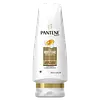 Key Ingredients
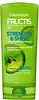
No key ingredients
Benefits
Concerns
Ingredients Side-by-side
Water
Skin ConditioningCetyl Alcohol
Emollient



Stearamidopropyl Dimethylamine
EmulsifyingGlycerin
Humectant


Stearyl Alcohol
Emollient
Glutamic Acid
Humectant
Bis-Aminopropyl Dimethicone

Sodium Chloride
MaskingPanthenol
Skin Conditioning
Panthenyl Ethyl Ether
Histidine
Humectant
Parfum
Masking



Disodium EDTA
ChelatingCitric Acid
Buffering

Phenoxyethanol
Preservative
Benzyl Alcohol
Perfuming

Methylchloroisothiazolinone
Preservative
Methylisothiazolinone
Preservative
Water, Cetyl Alcohol, Stearamidopropyl Dimethylamine, Glycerin, Stearyl Alcohol, Glutamic Acid, Bis-Aminopropyl Dimethicone, Sodium Chloride, Panthenol, Panthenyl Ethyl Ether, Histidine, Parfum, Disodium EDTA, Citric Acid, Phenoxyethanol, Benzyl Alcohol, Methylchloroisothiazolinone, Methylisothiazolinone
Water
Skin ConditioningSodium Laureth Sulfate
Cleansing

Coco-Betaine
Cleansing
Glycol Distearate
Emollient
Sodium Chloride
MaskingGuar Hydroxypropyltrimonium Chloride
Skin ConditioningNiacinamide
Smoothing





Saccharum Officinarum Extract
MoisturisingSodium Benzoate
Masking
Hydroxypropyltrimonium Lemon Protein
HumectantSodium Hydroxide
BufferingPhenoxyethanol
Preservative
PPG-5-Ceteth-20
EmulsifyingSalicylic Acid
Masking
Limonene
Perfuming
Fumaric Acid
BufferingCamellia Sinensis Leaf Extract
Antimicrobial
Linalool
Perfuming
Benzyl Alcohol
Perfuming
Benzyl Salicylate
Perfuming
Pyrus Malus Fruit Extract
Skin Conditioning
Carbomer
Emulsion StabilisingPyridoxine Hcl
Skin ConditioningGeraniol
Perfuming
Octyldodecanol
Emollient
Citric Acid
Buffering
Citronellol
Perfuming
Citrus Limon Fruit Extract
Masking
Citrus Grandis Peel Oil
Masking

Citrus Limon Peel Extract
EmollientLeuconostoc/Radish Root Ferment Filtrate
Antimicrobial
Hexyl Cinnamal
Perfuming
Parfum
Masking
Water, Sodium Laureth Sulfate, Coco-Betaine, Glycol Distearate, Sodium Chloride, Guar Hydroxypropyltrimonium Chloride, Niacinamide, Saccharum Officinarum Extract, Sodium Benzoate, Hydroxypropyltrimonium Lemon Protein, Sodium Hydroxide, Phenoxyethanol, PPG-5-Ceteth-20, Salicylic Acid, Limonene, Fumaric Acid, Camellia Sinensis Leaf Extract, Linalool, Benzyl Alcohol, Benzyl Salicylate, Pyrus Malus Fruit Extract, Carbomer, Pyridoxine Hcl, Geraniol, Octyldodecanol, Citric Acid, Citronellol, Citrus Limon Fruit Extract, Citrus Grandis Peel Oil, Citrus Limon Peel Extract, Leuconostoc/Radish Root Ferment Filtrate, Hexyl Cinnamal, Parfum
Reviews
Ingredients Explained
These ingredients are found in both products.
Ingredients higher up in an ingredient list are typically present in a larger amount.
Benzyl Alcohol is an aromatic alcohol with several roles: it's a preservative, solvent, and mild fragrance component with a floral scent.
This ingredient has been deemed safe for use in cosmetic formulations at concentrations up to 5%, and up to 10% in hair dyes. You'll typically see 0.5-2% in most rinse-off or leave-on products.
As a preservative, it works by disrupting the membrane of microbial proteins. This helps keep bacteria and fungi from growing in your products.
The sensitization picture is actually quite assuring as well:of nearly 71,000 patients patch tested with benzyl alcohol, only 0.21% showed a positive reaction with most of them being weakly positive.
This led researchers to conclude that benzyl alcohol cannot be regarded as a significant contact allergen.
It is worth noting this ingredient is classified as one of the EU's regulated fragrance allergens and restricted to 1% in finished products.
Labels must also declare it in concentrations above 0.001% in leave-on products and 0.01% in rinse-off products.
At concentrations around 5%, localized redness and itching can appear as a direct irritant response and not as a true allergic reaction.
Learn more about Benzyl AlcoholCitric Acid is an alpha hydroxy acid (AHA) naturally found in citrus fruits like oranges, lemons, and limes.
Like other AHAs, citric acid can exfoliate skin by breaking down the bonds that hold dead skin cells together. This helps reveal smoother and brighter skin underneath.
However, this exfoliating effect only happens at high concentrations (20%) which can be hard to find in cosmetic products.
Due to this, citric acid is usually included in small amounts as a pH adjuster. This helps keep products slightly more acidic and compatible with skin's natural pH.
In skincare formulas, citric acid can:
While it can provide some skin benefits, research shows lactic acid and glycolic acid are generally more effective and less irritating exfoliants.
Most citric acid used in skincare today is made by fermenting sugars (usually from molasses). This synthetic version is identical to the natural citrus form but easier to stabilize and use in formulations.
Rosacea skin has a lower threshold for acids generally, with 62.5% of rosacea subjects in one study reacting to lactic acid in a sting test. This is why we mark citric acid as a potential rosacea trigger.
However, this ingredient shows up as a pH adjuster or chelator at roughly 0.1-1% in many products. These low levels are unlikely to be an issue for rosacea skin and becomes a potential trigger at exfoliating concentrations (20%). Because everybody's skin is unique, we recommend a patch test if you are unsure.
Learn more about Citric AcidParfum is a catch-all term for an ingredient or more that is used to give a scent to products.
Also called "fragrance", this ingredient can be a blend of hundreds of chemicals or plant oils. This means every product with "fragrance" or "parfum" in the ingredients list is a different mixture.
For instance, Habanolide is a proprietary trade name for a specific aroma chemical. When used as a fragrance ingredient in cosmetics, most aroma chemicals fall under the broad labeling category of “FRAGRANCE” or “PARFUM” according to EU and US regulations.
The term 'parfum' or 'fragrance' is not regulated in many countries. In many cases, it is up to the brand to define this term.
For instance, many brands choose to label themselves as "fragrance-free" because they are not using synthetic fragrances. However, their products may still contain ingredients such as essential oils that are considered a fragrance by INCI standards.
One example is Calendula flower extract. Calendula is an essential oil that still imparts a scent or 'fragrance'.
Depending on the blend, the ingredients in the mixture can cause allergies and sensitivities on the skin. Some ingredients that are known EU allergens include linalool and citronellol.
Parfum can also be used to mask or cover an unpleasant scent.
The bottom line is: not all fragrances/parfum/ingredients are created equally. If you are worried about fragrances, we recommend taking a closer look at an ingredient. And of course, we always recommend speaking with a professional.
Learn more about ParfumPhenoxyethanol is one of the most widely used preservatives in skincare (and for good reason!).
It has a large spectrum of antimicrobial activity and especially effective bacteria, yeast, and mold while only having a weak effect on your skin's natural microbiome.
On a cellular level, it disrupts the cell membranes of microbes by poking holes that make the cell leak. This shuts down the chemical reactions the microbe needs to make energy so it can no longer survive.
Another perk of this ingredient is that it stays functional across a wide pH range (3-10).
You'll often see it paired with boosters like Ethylhexylglycerin; one study showed that a 1:9 ratio of Ethylhexylglycerin to Phenoxyethanol damages bacterial membranes as effectively as doubling the Phenoxyethanol concentration on its own.
Typical use concentrations range from 0.3-1% depending on the formula, and this ingredient is capped at 1% int the EU.
Safety-wise, the fear mongering does not hold up to the evidence. The EU's Scientific Committee on Consumer Safety and FDA consider it safe as a preservative at up to 1%, including for children of all ages.
Adverse systemic effects only showed up in animal studies at exposures roughly 200x higher than what people get from cosmetics. And despite its very widespread use, this ingredient is a rare sensitizer and allergic reactions are uncommon.
Learn more about PhenoxyethanolChances are, you eat sodium chloride every day. Sodium Chloride is also known as table salt. This ingredient has many purposes in skincare: thickener, emulsifier, and exfoliator.
You'll most likely find this ingredient in cleansers where it is used to create a gel-like texture. As an emulsifier, it also prevents ingredients from separating.
You might see people debate whether Sodium Chloride is comedogenic, but there actually haven't been any comedogenic tests done on it. Either way, the overall formulation of a product matters a lot more than any single ingredient.
You might see this ingredient used in scrubs as a primary exfoliating ingredient.
Learn more about Sodium ChlorideWater. It's the most common cosmetic ingredient of all. You'll usually see it at the top of ingredient lists, meaning that it makes up the largest part of the product.
So why is it so popular? Water most often acts as a solvent - this means that it helps dissolve other ingredients into the formulation.
You'll also recognize water as that liquid we all need to stay alive. If you see this, drink a glass of water. Remember to stay hydrated!
Learn more about Water

