
What's inside
What's inside
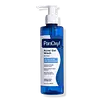 Key Ingredients
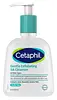
Benefits
Concerns
Ingredients Side-by-side
Salicylic Acid
Masking









1,2-Hexanediol
Skin Conditioning
Allantoin
Skin Conditioning



Aloe Barbadensis Leaf Juice
Skin Conditioning
Water
Skin ConditioningBetaine
Humectant
Camellia Sinensis Leaf Extract
Antimicrobial

Caprylyl Glycol
Emollient
Citric Acid
Buffering
Cocamidopropyl Hydroxysultaine
Cleansing
Decyl Glucoside
Cleansing
Glycerin
Humectant
PEG-150 Distearate
Emulsifying
Potassium Sorbate
Preservative
Saccharide Isomerate
Humectant
Sodium Benzoate
Masking
Sodium C14-16 Olefin Sulfonate
Cleansing
Sodium Chloride
MaskingSodium Citrate
BufferingSodium Hydroxide
BufferingSpirulina Platensis Extract
Skin ProtectingZinc PCA
Humectant
Salicylic Acid, 1,2-Hexanediol, Allantoin, Aloe Barbadensis Leaf Juice, Water, Betaine, Camellia Sinensis Leaf Extract, Caprylyl Glycol, Citric Acid, Cocamidopropyl Hydroxysultaine, Decyl Glucoside, Glycerin, PEG-150 Distearate, Potassium Sorbate, Saccharide Isomerate, Sodium Benzoate, Sodium C14-16 Olefin Sulfonate, Sodium Chloride, Sodium Citrate, Sodium Hydroxide, Spirulina Platensis Extract, Zinc PCA
Water
Skin ConditioningGlycerin
Humectant
Cocamidopropyl Betaine
Cleansing
Coco-Glucoside
Cleansing
Gluconolactone
Skin Conditioning
Betaine
Humectant
PEG-120 Methyl Glucose Dioleate
Emulsifying
Sodium Cocoamphoacetate
CleansingGlycereth-26
Humectant
Salicylic Acid
Masking
Sodium Chloride
MaskingPanthenol
Skin Conditioning
Niacinamide
Smoothing

Mandelic Acid
Antimicrobial
Sodium Citrate
BufferingSodium Hydroxide
BufferingHelianthus Annuus Seed Oil
Emollient
Tocopherol
Antioxidant
Phenoxyethanol
Preservative
Citric Acid
Buffering
Ethylhexylglycerin
Skin ConditioningDisodium EDTA
Pantolactone
Humectant
Water, Glycerin, Cocamidopropyl Betaine, Coco-Glucoside, Gluconolactone, Betaine, PEG-120 Methyl Glucose Dioleate, Sodium Cocoamphoacetate, Glycereth-26, Salicylic Acid, Sodium Chloride, Panthenol, Niacinamide, Mandelic Acid, Sodium Citrate, Sodium Hydroxide, Helianthus Annuus Seed Oil, Tocopherol, Phenoxyethanol, Citric Acid, Ethylhexylglycerin, Disodium EDTA, Pantolactone
Reviews
Ingredients Explained
These ingredients are found in both products.
Ingredients higher up in an ingredient list are typically present in a larger amount.
Betaine is a humectant. Like hyaluronic acid, it helps attract and retain moisture in the skin. It’s known for being gentle and for helping the skin maintain balanced hydration.
Betaine is mainly used to improve hydration and support calmer skin. It helps skin cells regulate water balance because it functions as an osmolyte.
Some studies suggest betaine may support making skin tone more even.
Fun fact: Betaine naturally exists in the skin and the body. In cosmetic products, it can be either plant-derived (most commonly from sugar beets) or synthetically produced for consistency and stability.
Betaine is also known as trimethylglycine.
Learn more about BetaineCitric Acid is an alpha hydroxy acid (AHA) naturally found in citrus fruits like oranges, lemons, and limes.
Like other AHAs, citric acid can exfoliate skin by breaking down the bonds that hold dead skin cells together. This helps reveal smoother and brighter skin underneath.
However, this exfoliating effect only happens at high concentrations (20%) which can be hard to find in cosmetic products.
Due to this, citric acid is usually included in small amounts as a pH adjuster. This helps keep products slightly more acidic and compatible with skin's natural pH.
In skincare formulas, citric acid can:
While it can provide some skin benefits, research shows lactic acid and glycolic acid are generally more effective and less irritating exfoliants.
Most citric acid used in skincare today is made by fermenting sugars (usually from molasses). This synthetic version is identical to the natural citrus form but easier to stabilize and use in formulations.
Read more about some other popular AHA's here:
Learn more about Citric AcidGlycerin (or glycerol) is a compound naturally found in your skin. It's a powerhouse humectant that pulls water into the stratum corneum.
Topically, glycerin does several things at once:
Your skin makes glycerin on its own (mostly from sebaceous oil breakdown) and shuttles it to your outermost layer of skin, or your epidermis, via aquaporin-3.
Aquaporin-3 is a transporter that is essential for normal skin hydration, elasticity, and repair. Interestingly, mice lacking in AQP3 have dry and less elastic skin that can be fully corrected with glycerin.
This ingredient is non-irritating, plays well with almost every ingredient, and works across all skin types. Typical use is anywhere between 3-10% but can go up to 79% in some leave-on products.
Just know very high concentrations (>40%) can feel tacky in low humidity.
Glycerin is the name for this ingredient in American English. British English uses Glycerol/Glycerine.
Learn more about GlycerinSalicylic Acid (also known as beta hydroxy acid or BHA) is a well-known ingredient for treating skin that struggles with acne and clogged pores. It exfoliates both the skin's surface and deep within the pores to help clear out buildup, control oil, and reduce inflammation.
Unlike AHAs (alpha hydroxy acids), salicylic acid is oil-soluble. This allows it to penetrate into pores which makes it especially effective for treating blackheads and preventing future breakouts.
Salicylic acid is also known for its soothing properties. It has a similar structure to aspirin and can calm inflamed or irritated skin, making it a good option for acne-prone skin that is also sensitive.
Concentrations of 0.5-2% are recognized by the U.S. FDA as an over-the-counter topical acne product.
It can cause irritation and/or dryness if one's skin already has a compromised moisture barrier, so it's best to focus on repairing that before introducing this ingredient into your routine.
While salicylic acid does not increase sun sensitivity, it’s still important to wear sunscreen daily to protect your skin.
If you are looking for the ingredient called BHA or Butylated Hydroxyanisole, click here.
Learn more about Salicylic AcidChances are, you eat sodium chloride every day. Sodium Chloride is also known as table salt. This ingredient has many purposes in skincare: thickener, emulsifier, and exfoliator.
You'll most likely find this ingredient in cleansers where it is used to create a gel-like texture. As an emulsifier, it also prevents ingredients from separating.
You might see people debate whether Sodium Chloride is comedogenic, but there actually haven't been any comedogenic tests done on it. Either way, the overall formulation of a product matters a lot more than any single ingredient.
You might see this ingredient used in scrubs as a primary exfoliating ingredient.
Learn more about Sodium ChlorideSodium Citrate is the sodium salts of citric acid. In skincare, it is used to alter pH levels and acts as a preservative.
Its main functions are to maintain the pH of a product and neutralize metal ions.
The acidity of our skin is maintained by our glands and skin biome; normal pH level of skin is slightly acidic (~4.75-5.5).
Being slightly acidic allows our skin to create an "acid mantle". This acid mantle is a thin barrier that protects our skin from bacteria and contaminants.
Learn more about Sodium CitrateSodium Hydroxide is also known as lye or caustic soda. It is used to adjust the pH of products; many ingredients require a specific pH to be effective.
In small amounts, sodium hydroxide is considered safe to use. However, large amounts may cause chemical burns due to its high alkaline.
Your skin has a natural pH and acid mantle. This acid mantle helps prevent harmful bacteria from breaking through. The acid mantle also helps keep your skin hydrated.
"Alkaline" refers to a high pH level. A low pH level would be considered acidic.
Learn more about Sodium HydroxideWater. It's the most common cosmetic ingredient of all. You'll usually see it at the top of ingredient lists, meaning that it makes up the largest part of the product.
So why is it so popular? Water most often acts as a solvent - this means that it helps dissolve other ingredients into the formulation.
You'll also recognize water as that liquid we all need to stay alive. If you see this, drink a glass of water. Remember to stay hydrated!
Learn more about Water
