Palmer's Cocoa Butter Formula Skin Therapy Face Oil Versus Pura D'or 70,000 IU Certified Organic Vitamin E Oil
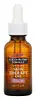
This hydrating oil is formulated around Prunus Amygdalus Dulcis Oil and Vitis Vinifera Seed Oil to hydrate skin and soften the look of wrinkles.
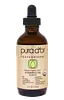
This hydrating oil is formulated around Tocopherol and Argania Spinosa Kernel Oil to hydrate skin and strengthen the skin barrier.

What's inside
What's inside
 Key Ingredients
Benefits
Concerns
Ingredients Side-by-side
Prunus Amygdalus Dulcis Oil
Skin Conditioning





Vitis Vinifera Seed Oil
Emollient
Isopropyl Myristate
Emollient

Cetearyl Ethylhexanoate
Emollient
Camelina Sativa Seed Oil
Skin Conditioning
Macadamia Ternifolia Seed Oil
Emollient
Sesamum Indicum Seed Oil
Emollient
PEG-40 Sorbitan Peroleate
Emulsifying
Cocos Nucifera Oil
Masking

Prunus Armeniaca Kernel Oil
Masking
Caprylyl Methicone
Skin Conditioning
Theobroma Cacao Seed Butter
Emollient
Tocopheryl Acetate
Antioxidant


Retinol
Skin Conditioning







Ascorbyl Palmitate
Antioxidant
Centella Asiatica Extract
Cleansing

Rosa Canina Seed Extract
EmollientArgania Spinosa Kernel Oil
Emollient
Helianthus Annuus Seed Oil
Emollient
Dimethicone
Emollient
Hydrogenated Methyl Abietate
Parfum
Masking
Caprylic/Capric Triglyceride
Masking
BHT
Antioxidant
Benzyl Benzoate
Antimicrobial
Citronellol
Perfuming
Alpha-Isomethyl Ionone
Perfuming
Geraniol
Perfuming
Hydroxyisohexyl 3-Cyclohexene Carboxaldehyde
Masking
Hexyl Cinnamal
Perfuming
Butylphenyl Methylpropional
Perfuming
Prunus Amygdalus Dulcis Oil, Vitis Vinifera Seed Oil, Isopropyl Myristate, Cetearyl Ethylhexanoate, Camelina Sativa Seed Oil, Macadamia Ternifolia Seed Oil, Sesamum Indicum Seed Oil, PEG-40 Sorbitan Peroleate, Cocos Nucifera Oil, Prunus Armeniaca Kernel Oil, Caprylyl Methicone, Theobroma Cacao Seed Butter, Tocopheryl Acetate, Retinol, Ascorbyl Palmitate, Centella Asiatica Extract, Rosa Canina Seed Extract, Argania Spinosa Kernel Oil, Helianthus Annuus Seed Oil, Dimethicone, Hydrogenated Methyl Abietate, Parfum, Caprylic/Capric Triglyceride, BHT, Benzyl Benzoate, Citronellol, Alpha-Isomethyl Ionone, Geraniol, Hydroxyisohexyl 3-Cyclohexene Carboxaldehyde, Hexyl Cinnamal, Butylphenyl Methylpropional

Reviews
Ingredients Explained
These ingredients are found in both products.
Ingredients higher up in an ingredient list are typically present in a larger amount.
You may know this ingredient as argan oil. It has emollient and skin conditioning properties that help soften skin and reinforce the lipid barrier.
The fatty acid profile of argan oil is roughly 45-55% oleic acid, 28-36% linoleic acid, 10-15% palmitic acid, and 5-7% stearic acid. It also contains vitamin E, sterols, squalene, and polyphenols like ferulic acid.
Two clinical studies in postmenopausal women found that applying argan oil for 60 days significantly improved skin elasticity and moisturization (reduced transepidermal water loss and increased epidermal water content).
Since it is high in oleic and linoleic acid, this ingredient may not be fungal acne safe. Both of these fall in the C11-C24 range that Malassezia yeast can metabolize.
Learn more about Argania Spinosa Kernel OilThis ingredient is also known as Apricot kernel oil, and it comes form the seed kernels of apricot (a member of the Rosaceae family like almond, peach, cherry, and plum).
It's mostly made up of triglycerides: oleic acid (43.9-78.5%), linoleic acid (9.7-37%), and palmitic acid (4.9-7.3%). These numbers vary depending on the variety of Prunus and the ripeness of the fruit; oleic tends to go up at late harvest while linoleic goes down.
Vitamin E is also prevalent in this ingredient and the most dominant form is gamma-tocopherol.
These compounds give the ingredient emollient and skin conditioning properties that keep the skin soft and hydrated.
There's no regulatory maximum cap for this ingredient so you'll see it across a huge concentration range (100% as a single ingredient facial oil).
On allergies: refined cosmetic-grade oils carry almost no protein. The CIR notes that people allergic to a food generally do not react to the refined oil because the allergenic protein does not partition into it (though cold-pressed grades retain more).
However, it's worth patch testing if you have a stone fruit or tree nut allergy because manufacturer processes for removing the protein can vary.
Malassezia lacks the cytosolic fatty acid synthase gene so the yeast cannot make palmitate on its own and instead uses lipases and phospholipases to release fatty acids from host lipids. Since apricot kernel oil is entirely C16-18 (right in the usable range of C11-24), this ingredient may not be fungal acne safe.
Old rabbit-ear testing did assign this ingredient a comedogenic rating of 1-2. The original author has stated that testing on rabbit ears is not an ideal model for human comedogenicity.
Human testing has proved that any finished product with a comedogenic ingredient won't automatically make you break out; it really comes down to concentration, formula, and your skin.
Just know high-oleic oils tend to feel heavier on oily skin so it's worth patch testing.
Learn more about Prunus Armeniaca Kernel Oil

