

What's inside
What's inside
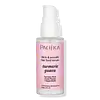 Key Ingredients
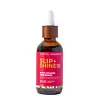
Benefits
Concerns
Ingredients Side-by-side
Water
Skin ConditioningPanthenol
Skin Conditioning




Propanediol
Solvent
Dextran
Acetyl Tetrapeptide-3
Skin Protecting
Trifolium Pratense Flower
Skin ConditioningXanthan Gum
EmulsifyingSodium Benzoate
Masking
Potassium Sorbate
Preservative
Ethylhexylglycerin
Skin ConditioningSodium Hyaluronate
Humectant

Serenoa Serrulata Fruit Extract
Skin Conditioning
Rosmarinus Officinalis Leaf Extract
AntimicrobialArginine
Masking
Lactic Acid
Buffering







Glycine Soja Germ Extract
EmollientTriticum Vulgare Germ Extract
Skin ConditioningScutellaria Baicalensis Root Extract
Astringent
Caffeine
Skin Conditioning
Psidium Guajava Seed Oil
Emollient
Biotin
AntiseborrhoeicCurcuma Longa Root Extract
Antioxidant

Butylene Glycol
Humectant
Tocopherol
Antioxidant
Parfum
Masking
Water, Panthenol, Propanediol, Dextran, Acetyl Tetrapeptide-3, Trifolium Pratense Flower, Xanthan Gum, Sodium Benzoate, Potassium Sorbate, Ethylhexylglycerin, Sodium Hyaluronate, Serenoa Serrulata Fruit Extract, Rosmarinus Officinalis Leaf Extract, Arginine, Lactic Acid, Glycine Soja Germ Extract, Triticum Vulgare Germ Extract, Scutellaria Baicalensis Root Extract, Caffeine, Psidium Guajava Seed Oil, Biotin, Curcuma Longa Root Extract, Butylene Glycol, Tocopherol, Parfum
Caprylic/Capric Triglyceride
Masking
Coconut Alkanes
Emollient
Heptyl Undecylenate
EmollientRicinus Communis Seed Oil
Masking
Parfum
Masking
Coco-Caprylate/Caprate
Emollient
Cocos Nucifera Oil
Masking
Vitis Vinifera Seed Oil
Emollient
Argania Spinosa Kernel Oil
Emollient
Tocopherol
Antioxidant
Ascorbyl Palmitate
Antioxidant
Squalane
Emollient
Moringa Oleifera Seed Oil
Emollient
Retinyl Palmitate
Skin Conditioning
Ingredients Explained
These ingredients are found in both products.
Ingredients higher up in an ingredient list are typically present in a larger amount.
Parfum is a catch-all term for an ingredient or more that is used to give a scent to products.
Also called "fragrance", this ingredient can be a blend of hundreds of chemicals or plant oils. This means every product with "fragrance" or "parfum" in the ingredients list is a different mixture.
For instance, Habanolide is a proprietary trade name for a specific aroma chemical. When used as a fragrance ingredient in cosmetics, most aroma chemicals fall under the broad labeling category of “FRAGRANCE” or “PARFUM” according to EU and US regulations.
The term 'parfum' or 'fragrance' is not regulated in many countries. In many cases, it is up to the brand to define this term.
For instance, many brands choose to label themselves as "fragrance-free" because they are not using synthetic fragrances. However, their products may still contain ingredients such as essential oils that are considered a fragrance by INCI standards.
One example is Calendula flower extract. Calendula is an essential oil that still imparts a scent or 'fragrance'.
Depending on the blend, the ingredients in the mixture can cause allergies and sensitivities on the skin. Some ingredients that are known EU allergens include linalool and citronellol.
Parfum can also be used to mask or cover an unpleasant scent.
The bottom line is: not all fragrances/parfum/ingredients are created equally. If you are worried about fragrances, we recommend taking a closer look at an ingredient. And of course, we always recommend speaking with a professional.
Learn more about ParfumTocopherol is a fat-soluble antioxidant known as Vitamin E.
You'll find this ingredient in the vast majority of skincare (for good reason). It works to neutralize free radicals, or unstable molecules generated by UV exposure, pollution, and other environmental stressors, before they can cause oxidative damage to your skin cells.
Topically applied tocopherol has been shown to protect against UV damage by ramping up the skin's own natural defense enzymes.
It also acts as a skin conditioning agent; some studies show that regular topical use can improve the skin's water-binding capacity over 2-4 weeks.
This ingredient is especially loved for being a team player. When combined with Vitamin C, the photoprotective effect of both ingredients roughly doubles and the combo also helps reduce UV-induced DNA damage.
This ingredient has some brightening potential but it's more of a prevention ingredient than spot-fader. Cell studies show it can slow down melanin production but it's worth noting that it's not the most powerful brightener out there.
In formulations, it also serves as a stabilizer that helps protect other oxidation-prone ingredients from degrading.
Concentrations usually range from 0.1-1% in most leave-on products.
Learn more about Tocopherol

