
What's inside
What's inside
 Key Ingredients
Benefits
Concerns
Ingredients Side-by-side
Water
Skin ConditioningPanthenol
Skin Conditioning




Propanediol
Solvent
Dextran
Acetyl Tetrapeptide-3
Skin Protecting
Trifolium Pratense Flower
Skin ConditioningXanthan Gum
EmulsifyingSodium Benzoate
Masking
Potassium Sorbate
Preservative
Ethylhexylglycerin
Skin ConditioningSodium Hyaluronate
Humectant

Serenoa Serrulata Fruit Extract
Skin Conditioning
Rosmarinus Officinalis Leaf Extract
AntimicrobialArginine
Masking
Lactic Acid
Buffering







Glycine Soja Germ Extract
EmollientTriticum Vulgare Germ Extract
Skin ConditioningScutellaria Baicalensis Root Extract
Astringent
Caffeine
Skin Conditioning
Psidium Guajava Seed Oil
Emollient
Biotin
AntiseborrhoeicCurcuma Longa Root Extract
Antioxidant

Butylene Glycol
Humectant
Tocopherol
Antioxidant
Parfum
Masking
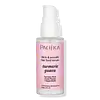
Water, Panthenol, Propanediol, Dextran, Acetyl Tetrapeptide-3, Trifolium Pratense Flower, Xanthan Gum, Sodium Benzoate, Potassium Sorbate, Ethylhexylglycerin, Sodium Hyaluronate, Serenoa Serrulata Fruit Extract, Rosmarinus Officinalis Leaf Extract, Arginine, Lactic Acid, Glycine Soja Germ Extract, Triticum Vulgare Germ Extract, Scutellaria Baicalensis Root Extract, Caffeine, Psidium Guajava Seed Oil, Biotin, Curcuma Longa Root Extract, Butylene Glycol, Tocopherol, Parfum
Aloe Barbadensis Leaf Juice
Skin Conditioning
Cetyl Alcohol
Emollient


Stearyl Alcohol
Emollient
Behentrimonium Methosulfate
SurfactantCetearyl Alcohol
Emollient

Behentrimonium Chloride
Preservative
Prunus Armeniaca Kernel Oil
Masking
Lens Esculenta Seed Extract
Skin ProtectingHydrolyzed Cicer Seed Extract
Skin ProtectingChenopodium Quinoa Seed Extract
Skin Conditioning
Stearalkonium Chloride
Preservative
Diheptyl Succinate
EmollientCapryloyl Glycerin/Sebacic Acid Copolymer
Skin ConditioningHydroxyethylcellulose
Emulsion StabilisingCocos Nucifera Oil
Masking
Amaranthus Caudatus Seed Extract
Skin Conditioning
Hydrogenated Castor Oil/Sebacic Acid Copolymer
Emollient
Cocos Nucifera Liquid Endosperm
Cocos Nucifera Water
Masking
Glycerin
Humectant
Cocos Nucifera Fruit Juice
Emollient
Sr-Hydrozoan Polypeptide-1
Humectant
Copper Tripeptide-1
Skin Conditioning
Panax Ginseng Root Extract
Emollient
Caffeine
Skin Conditioning
Biotin
AntiseborrhoeicEthylhexylglycerin
Skin ConditioningPhenoxyethanol
Preservative
Parfum
Masking
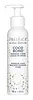
Aloe Barbadensis Leaf Juice, Cetyl Alcohol, Stearyl Alcohol, Behentrimonium Methosulfate, Cetearyl Alcohol, Behentrimonium Chloride, Prunus Armeniaca Kernel Oil, Lens Esculenta Seed Extract, Hydrolyzed Cicer Seed Extract, Chenopodium Quinoa Seed Extract, Stearalkonium Chloride, Diheptyl Succinate, Capryloyl Glycerin/Sebacic Acid Copolymer, Hydroxyethylcellulose, Cocos Nucifera Oil, Amaranthus Caudatus Seed Extract, Hydrogenated Castor Oil/Sebacic Acid Copolymer, Cocos Nucifera Liquid Endosperm, Cocos Nucifera Water, Glycerin, Cocos Nucifera Fruit Juice, Sr-Hydrozoan Polypeptide-1, Copper Tripeptide-1, Panax Ginseng Root Extract, Caffeine, Biotin, Ethylhexylglycerin, Phenoxyethanol, Parfum
Ingredients Explained
These ingredients are found in both products.
Ingredients higher up in an ingredient list are typically present in a larger amount.
Biotin is a B vitamin that is naturally produced by our bodies. It is also called Vitamin H.
Our bodies use biotin in the metabolism process. It also helps our bodies use enzymes and move nutrients around. A biotin deficiency can lead to brittle hair and nails.
More research is needed on applying biotin topically. However, taking biotin orally has been shown to help nourish the skin, hair, and nails. They play a role in forming skin-hydrating fatty acids.
Biotin is water-soluble. It can be found in foods such as fish, eggs, dairy, nuts, and meat. Vitamin H stands for "haar" and "haut". These are the German words for hair and skin.
Learn more about BiotinCaffeine is a naturally occurring plant compound found in coffee beans, tea leaves, cocoa pods, and guarana.
As an antioxidant, caffeine protects your skin from free radical damage caused by UV exposure and envionrmnetal stressors.
Early research also shows that caffeine can help calm redness, soothe irritated skin, and support hair growth by stimulating microcirculation in the scalp.
You might have seen eye creams marketing caffeine as a depuffing ingredient. This is because it is a vasoconstrictor meaning it can temporarily constrict blood vessels, though clinical evidence for this specific use is still limited.
Most skincare products contain this ingredient at concentrations between 1-6%. It is able to penetrate skin easily regardless of skin type or thickness.
Just so you know, a very small number of case reports describe caffeine-induced allergy. This ingredient is generally well-tolerated, non-irritating, and non-sensitizing for the majority of people.
Learn more about CaffeineEthylhexylglycerin is created from glycerin. It is a multitasker ingredient that:
The CIR Expert Panel found minimal skin absorption or sensitization of any kind in a safety assessment. Though this ingredient is considered well-tolerated, a small number of cases of allergic dermatitis have been published since 2002. Just be sure to patch test if you are unsure.
Industry-reported use ranges from 8% in rinse-off products and 2% in leave-on formulations.
Learn more about EthylhexylglycerinParfum is a catch-all term for an ingredient or more that is used to give a scent to products.
Also called "fragrance", this ingredient can be a blend of hundreds of chemicals or plant oils. This means every product with "fragrance" or "parfum" in the ingredients list is a different mixture.
For instance, Habanolide is a proprietary trade name for a specific aroma chemical. When used as a fragrance ingredient in cosmetics, most aroma chemicals fall under the broad labeling category of “FRAGRANCE” or “PARFUM” according to EU and US regulations.
The term 'parfum' or 'fragrance' is not regulated in many countries. In many cases, it is up to the brand to define this term.
For instance, many brands choose to label themselves as "fragrance-free" because they are not using synthetic fragrances. However, their products may still contain ingredients such as essential oils that are considered a fragrance by INCI standards.
One example is Calendula flower extract. Calendula is an essential oil that still imparts a scent or 'fragrance'.
Depending on the blend, the ingredients in the mixture can cause allergies and sensitivities on the skin. Some ingredients that are known EU allergens include linalool and citronellol.
Parfum can also be used to mask or cover an unpleasant scent.
The bottom line is: not all fragrances/parfum/ingredients are created equally. If you are worried about fragrances, we recommend taking a closer look at an ingredient. And of course, we always recommend speaking with a professional.
Learn more about Parfum

