
What's inside
What's inside
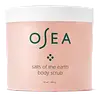 Key Ingredients
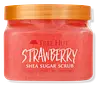
Benefits
Concerns
Ingredients Side-by-side
Sodium Chloride
MaskingCarthamus Tinctorius Seed Oil
Masking



Silica
Abrasive


Butyrospermum Parkii Butter
Skin Conditioning



Gigartina Skottsbergii Extract
Skin ConditioningOlea Europaea Fruit Oil
Masking
Oryza Sativa Bran Extract
Skin Conditioning
Rosmarinus Officinalis Extract
AntimicrobialHelianthus Annuus Seed Extract
Skin Conditioning
Tocopherol
Antioxidant





Illite
Abrasive
Lavandula Angustifolia Oil
Masking


Sodium Olivate
CleansingPersea Gratissima Oil
Skin Conditioning
Orbignya Oleifera Seed Oil
Emollient
Sodium Chloride, Carthamus Tinctorius Seed Oil, Silica, Butyrospermum Parkii Butter, Gigartina Skottsbergii Extract, Olea Europaea Fruit Oil, Oryza Sativa Bran Extract, Rosmarinus Officinalis Extract, Helianthus Annuus Seed Extract, Tocopherol, Illite, Lavandula Angustifolia Oil, Sodium Olivate, Persea Gratissima Oil, Orbignya Oleifera Seed Oil
Sucrose
Humectant
Glycerin
Humectant
Polysorbate 20
Emulsifying
Silica
Abrasive
Prunus Amygdalus Dulcis Oil
Skin Conditioning
Oenothera Biennis Oil
Emollient
Macadamia Ternifolia Seed Oil
Emollient
Persea Gratissima Oil
Skin Conditioning
Citrus Aurantium Dulcis Oil
Masking
Butyrospermum Parkii Butter
Skin Conditioning
Carthamus Tinctorius Seed Oil
Masking
Fragaria Vesca Fruit Extract
AstringentSalix Alba Bark Extract
Astringent
Retinyl Palmitate
Skin Conditioning
Water
Skin ConditioningSalicylic Acid
Masking




Ascorbic Acid
Antioxidant
Parfum
Masking
Phenoxyethanol
Preservative
Caprylyl Glycol
Emollient
Sorbic Acid
Preservative
Linalool
Perfuming
Geraniol
Perfuming
Benzyl Alcohol
Perfuming
Limonene
Perfuming
CI 14700
Cosmetic ColorantCI 60730
Cosmetic ColorantSucrose, Glycerin, Polysorbate 20, Silica, Prunus Amygdalus Dulcis Oil, Oenothera Biennis Oil, Macadamia Ternifolia Seed Oil, Persea Gratissima Oil, Citrus Aurantium Dulcis Oil, Butyrospermum Parkii Butter, Carthamus Tinctorius Seed Oil, Fragaria Vesca Fruit Extract, Salix Alba Bark Extract, Retinyl Palmitate, Water, Salicylic Acid, Ascorbic Acid, Parfum, Phenoxyethanol, Caprylyl Glycol, Sorbic Acid, Linalool, Geraniol, Benzyl Alcohol, Limonene, CI 14700, CI 60730
Reviews
Ingredients Explained
These ingredients are found in both products.
Ingredients higher up in an ingredient list are typically present in a larger amount.
This ingredient is also known as shea butter. It is a plant-derived extract from the nuts of the Africa shea tree and one of the most well-studied emollients.
Because it has a high concentration of fatty acids (primarily oleic, stearic, and linoleic) it is able to form a protective barrier on the skin's surface. This helps seal in moisture and prevents transepidermal water loss (TEWL).
In vitro research found an increase in skin hydration by 58% and a decrease in TEWL by 37.8% after 24 hours of applying this ingredient (pretty impressive for a single ingredient!).
Besides hydration, shea butter also contains triterpenes that have anti-inflammatory potential. In particule, lupeol cinnamate has shown the highest anti-inflammatory activity in vivo.
Shea butter also contains vitamins A and E which may contribute to antioxidant activity.
While Shea Butter has an SPF rating of about 3-4, it is not a sunscreen replacement.
This ingredient may not be fungal acne safe because its fatty acids fall within the C11-C24 range that the Malassezia yeast can metabolize.
This ingredient shows up on a lot of "pore-clogging" lists but there's no real evidence behind that. It doesn't even have a comedogenic rating from an actual study; the numbers you'll find online come from blogs citing other blogs.
Ratings for other ingredients mostly come from a 1980s rabbit ear test. This test doesn't translate well to human skin or to real products because the ingredient sits at a much lower percentage.
Some people still find it breaks them out. So if that's you, definitely trust your skin. Just know this one's based on experience and not evidence.
Learn more about Butyrospermum Parkii ButterCarthamus Tinctorius Seed Oil comes from the seeds of the safflower plant. It is a skin conditioning agent that helps soften skin and keep it hydrated.
This seed oil has an unusual fatty acid profile: it is one of the highest linoleic acid plant oils out there (~55-77%). It also has low amounts of oleic acid, and this high-linoleic/low-oleic ratio gets people excited.
Linoleic acid helps maintain skin barrier integrity and is a building block for the ceramides in your stratum corneum. Notably, people with acne tend to have lower linoleic acid in their skin lipids as well (and this gets worse as acne gets more severe).
Overall, it's a lightweight, fast-absorbing oil that has a long safety track record. Lab testing has found it to be non-irritating for skin or eyes.
The Malassezia yeast can metabolize the fatty acids in this oil to grow; therefore this ingredient may not be fungal acne safe.
Learn more about Carthamus Tinctorius Seed OilThis ingredient is also known as Avocado oil. It's the cold-pressed oil from the flesh of the avocado fruit packed with fatty acids (mostly oleic acid).
The rich fatty acid profile allows it to function as a skin conditioning agent and emollient; it helps soften and smooth skin while reducing water loss.
Preclinical research has found that topical avocado oil increased collagen synthesis and reduced inflammation during wound healing, giving it some skin-repairing credibility.
The unsaponifiable fraction of the oil is also interesting: studies on avocado unsaponifiables showed that it helped skin produce more collagen and other structural compounds that support healing.
The CIR Expert Panel has found this ingredient to be non-irritating in formulations.
This ingredient may not be fungal acne safe. This is because the oleic acid content falls within the range that Malassezia can use as a food source.
This ingredient does have a comedogenic rating of 0-3, but this doesn't mean a formula with this ingredient will clog pores. Human testing has proved that any finished product with a comedogenic ingredient won't automatically make you break out; it really comes down to concentration, formula, and your skin.
Learn more about Persea Gratissima OilSilica, also known as silicon dioxide, is a naturally occurring mineral. It is used as a fine, spherical, and porous powder in cosmetics.
Though it has exfoliant properties, the function of silica varies depending on the product.
The unique structure of silica enhances the spreadability and adds smoothness, making it a great texture enhancer.
It is also used as an active carrier, emulsifier, and mattifier due to its ability to absorb excess oil.
In some products, tiny microneedles called spicules are made from silica or hydrolyzed sponge. When you rub them in, they lightly polish away dead skin layers and enhance the penetration of active ingredients.
Learn more about Silica

