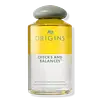
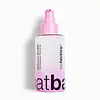
Origins Checks And Balances Milky Oil Cleanser + Makeup Melter Versus Toyfactory Oatbae Oil Makeup Remover
This oil-based makeup remover is made to dissolve makeup, sunscreen, and daily buildup.
This mild cream makeup remover is made to dissolve makeup, sunscreen, and daily buildup.


What's inside
What's inside
 Key Ingredients
Benefits
Concerns
Ingredients Side-by-side
Glycerin
Humectant


Oryza Sativa Bran Oil
Emollient




Water
Skin ConditioningHeptyl Undecylenate
EmollientPolysorbate 85
Emulsifying
C9-12 Alkane
SolventSqualane
Emollient
C13-15 Alkane
SolventPrunus Amygdalus Dulcis Oil
Skin Conditioning

Avena Sativa Kernel Extract
Abrasive

Caffeine
Skin Conditioning
Sorbitol
Humectant
Squalene
Emollient
Phytosterols
Skin Conditioning
Elaeis Guineensis Oil
Emollient
Tocopherol
Antioxidant


Caprylyl Glycol
Emollient
Butylene Glycol
Humectant
Tocotrienols
Skin Conditioning
Citric Acid
Buffering
Phenoxyethanol
Preservative
Sodium Benzoate
Masking
Glycerin, Oryza Sativa Bran Oil, Water, Heptyl Undecylenate, Polysorbate 85, C9-12 Alkane, Squalane, C13-15 Alkane, Prunus Amygdalus Dulcis Oil, Avena Sativa Kernel Extract, Caffeine, Sorbitol, Squalene, Phytosterols, Elaeis Guineensis Oil, Tocopherol, Caprylyl Glycol, Butylene Glycol, Tocotrienols, Citric Acid, Phenoxyethanol, Sodium Benzoate
Water
Skin ConditioningParaffinum Liquidum
Emollient

Propylene Glycol
Humectant
Butylene Glycol
Humectant
Glycerin
Humectant
PPG-26-Buteth-26
Skin ConditioningChrysanthellum Indicum Extract
Skin Conditioning
PEG-40 Hydrogenated Castor Oil
Emulsifying
Panthenol
Skin Conditioning
Phenoxyethanol
Preservative
1,2-Hexanediol
Skin Conditioning
Hydroxyacetophenone
Antioxidant
Sodium Chloride
MaskingDisodium EDTA
ChelatingParfum
Masking

Ethylhexylglycerin
Skin ConditioningAloe Barbadensis Leaf Juice
Skin Conditioning
Lactobacillus Ferment
Skin Conditioning
Portulaca Oleracea Extract
Skin Conditioning
Citric Acid
Buffering
Methylisothiazolinone
Preservative
Pelargonium Graveolens Extract
Masking
Mentha Arvensis Leaf Extract
MaskingAloe Barbadensis Extract
Skin Conditioning
Sophora Angustifolia Root Extract
Skin ConditioningOpunta Dillenii Extract
Avena Sativa Kernel Extract
Abrasive
Pentylene Glycol
Skin Conditioning
Water, Paraffinum Liquidum, Propylene Glycol, Butylene Glycol, Glycerin, PPG-26-Buteth-26, Chrysanthellum Indicum Extract, PEG-40 Hydrogenated Castor Oil, Panthenol, Phenoxyethanol, 1,2-Hexanediol, Hydroxyacetophenone, Sodium Chloride, Disodium EDTA, Parfum, Ethylhexylglycerin, Aloe Barbadensis Leaf Juice, Lactobacillus Ferment, Portulaca Oleracea Extract, Citric Acid, Methylisothiazolinone, Pelargonium Graveolens Extract, Mentha Arvensis Leaf Extract, Aloe Barbadensis Extract, Sophora Angustifolia Root Extract, Opunta Dillenii Extract, Avena Sativa Kernel Extract, Pentylene Glycol
Ingredients Explained
These ingredients are found in both products.
Ingredients higher up in an ingredient list are typically present in a larger amount.
Avena Sativa Kernel Extract is is derived from colloidal oatmeal. Besides being a healthy breakfast, oats have many benefits in skincare too.
This ingredient helps sooth, hydrate, and protect the skin. The starches in colloidal oatmeal are able to bind water, keeping the skin hydrated.
The cellulose and fiber in colloidal oatmeal help reduce inflammation. This can also help the skin feel softer.
Colloidal Oatmeal is also an antioxidant. Antioxidants protect our skin from free-radical damage.
Oatmeal also contains beneficial compounds:
This ingredient is created by mixing grounded oatmeal and a liquid base.
Learn more about Avena Sativa Kernel ExtractButylene Glycol (or BG) is used within cosmetic products for a few different reasons:
Overall, Butylene Glycol is a safe and well-rounded ingredient that works well with other ingredients.
Though this ingredient works well with most skin types, some people with sensitive skin may experience a reaction such as allergic rashes, closed comedones, or itchiness.
Learn more about Butylene GlycolCitric Acid is an alpha hydroxy acid (AHA) naturally found in citrus fruits like oranges, lemons, and limes.
Like other AHAs, citric acid can exfoliate skin by breaking down the bonds that hold dead skin cells together. This helps reveal smoother and brighter skin underneath.
However, this exfoliating effect only happens at high concentrations (20%) which can be hard to find in cosmetic products.
Due to this, citric acid is usually included in small amounts as a pH adjuster. This helps keep products slightly more acidic and compatible with skin's natural pH.
In skincare formulas, citric acid can:
While it can provide some skin benefits, research shows lactic acid and glycolic acid are generally more effective and less irritating exfoliants.
Most citric acid used in skincare today is made by fermenting sugars (usually from molasses). This synthetic version is identical to the natural citrus form but easier to stabilize and use in formulations.
Rosacea skin has a lower threshold for acids generally, with 62.5% of rosacea subjects in one study reacting to lactic acid in a sting test. This is why we mark citric acid as a potential rosacea trigger.
However, this ingredient shows up as a pH adjuster or chelator at roughly 0.1-1% in many products. These low levels are unlikely to be an issue for rosacea skin and becomes a potential trigger at exfoliating concentrations (20%). Because everybody's skin is unique, we recommend a patch test if you are unsure.
Learn more about Citric AcidGlycerin (or glycerol) is a compound naturally found in your skin. It's a powerhouse humectant that pulls water into the stratum corneum.
Topically, glycerin does several things at once:
Your skin makes glycerin on its own (mostly from sebaceous oil breakdown) and shuttles it to your outermost layer of skin, or your epidermis, via aquaporin-3.
Aquaporin-3 is a transporter that is essential for normal skin hydration, elasticity, and repair. Interestingly, mice lacking in AQP3 have dry and less elastic skin that can be fully corrected with glycerin.
This ingredient is non-irritating, plays well with almost every ingredient, and works across all skin types. Typical use is anywhere between 3-10% but can go up to 79% in some leave-on products.
Just know very high concentrations (>40%) can feel tacky in low humidity.
Glycerin is the name for this ingredient in American English. British English uses Glycerol/Glycerine.
Learn more about GlycerinPhenoxyethanol is one of the most widely used preservatives in skincare (and for good reason!).
It has a large spectrum of antimicrobial activity and especially effective bacteria, yeast, and mold while only having a weak effect on your skin's natural microbiome.
On a cellular level, it disrupts the cell membranes of microbes by poking holes that make the cell leak. This shuts down the chemical reactions the microbe needs to make energy so it can no longer survive.
Another perk of this ingredient is that it stays functional across a wide pH range (3-10).
You'll often see it paired with boosters like Ethylhexylglycerin; one study showed that a 1:9 ratio of Ethylhexylglycerin to Phenoxyethanol damages bacterial membranes as effectively as doubling the Phenoxyethanol concentration on its own.
Typical use concentrations range from 0.3-1% depending on the formula, and this ingredient is capped at 1% int the EU.
Safety-wise, the fear mongering does not hold up to the evidence. The EU's Scientific Committee on Consumer Safety and FDA consider it safe as a preservative at up to 1%, including for children of all ages.
Adverse systemic effects only showed up in animal studies at exposures roughly 200x higher than what people get from cosmetics. And despite its very widespread use, this ingredient is a rare sensitizer and allergic reactions are uncommon.
Learn more about PhenoxyethanolWater. It's the most common cosmetic ingredient of all. You'll usually see it at the top of ingredient lists, meaning that it makes up the largest part of the product.
So why is it so popular? Water most often acts as a solvent - this means that it helps dissolve other ingredients into the formulation.
You'll also recognize water as that liquid we all need to stay alive. If you see this, drink a glass of water. Remember to stay hydrated!
Learn more about Water

