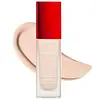
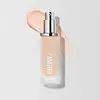
One/Size by Patrick Starrr Turn Up The Base Full Beat Liquid Foundation Versus Makeup by Mario Surrealskin Natural Finish Foundation

What's inside
What's inside
 Key Ingredients
Benefits
Concerns
Ingredients Side-by-side
Water
Skin ConditioningPropanediol
Solvent

Coco-Caprylate/Caprate
Emollient
Lauroyl Lysine
Skin Conditioning
C13-15 Alkane
SolventTrimethylsiloxysilicate
Emollient
Polyglyceryl-3 Polyricinoleate
Emulsifying

C9-12 Alkane
Solvent1,2-Hexanediol
Skin Conditioning
Disteardimonium Hectorite
StabilisingSynthetic Fluorphlogopite
Magnesium Sulfate
Aluminum Hydroxide
EmollientHydrogenated Lecithin
Emulsifying
Tocopherol
Antioxidant





Oryza Sativa Hull Powder
Abrasive
Titanium Dioxide
Cosmetic Colorant

CI 77491
Cosmetic ColorantCI 77492
Cosmetic ColorantCI 77499
Cosmetic ColorantWater, Propanediol, Coco-Caprylate/Caprate, Lauroyl Lysine, C13-15 Alkane, Trimethylsiloxysilicate, Polyglyceryl-3 Polyricinoleate, C9-12 Alkane, 1,2-Hexanediol, Disteardimonium Hectorite, Synthetic Fluorphlogopite, Magnesium Sulfate, Aluminum Hydroxide, Hydrogenated Lecithin, Tocopherol, Oryza Sativa Hull Powder, Titanium Dioxide, CI 77491, CI 77492, CI 77499
Water
Skin ConditioningDimethicone
Emollient
Caprylic/Capric Triglyceride
Masking
Methyl Trimethicone
Skin Conditioning
Lauryl Dimethicone
Skin Conditioning
Lauryl PEG-10 Tris(Trimethylsiloxy)Silylethyl Dimethicone
Emulsifying
Butylene Glycol
Humectant
Glycerin
Humectant
Trimethylsiloxysilicate
Emollient
Cellulose
Absorbent
C13-15 Alkane
SolventSd Alcohol 40-B
Astringent


Sorbitan Isostearate
Emulsifying
Aluminum/Magnesium Hydroxide Stearate
Emulsion StabilisingDimethicone/Vinyl Dimethicone Crosspolymer
Skin Conditioning
Sodium Chloride
MaskingTriethoxycaprylylsilane
Ethylhexylglycerin
Skin ConditioningPotassium Sorbate
Preservative
Sodium Benzoate
Masking
Sodium Dehydroacetate
Preservative
Tocopheryl Acetate
Antioxidant
Phytic Acid

Tocopherol
Antioxidant
Rubus Idaeus Leaf Extract
Skin ConditioningIron Oxides
CI 77891
Cosmetic ColorantWater, Dimethicone, Caprylic/Capric Triglyceride, Methyl Trimethicone, Lauryl Dimethicone, Lauryl PEG-10 Tris(Trimethylsiloxy)Silylethyl Dimethicone, Butylene Glycol, Glycerin, Trimethylsiloxysilicate, Cellulose, C13-15 Alkane, Sd Alcohol 40-B, Sorbitan Isostearate, Aluminum/Magnesium Hydroxide Stearate, Dimethicone/Vinyl Dimethicone Crosspolymer, Sodium Chloride, Triethoxycaprylylsilane, Ethylhexylglycerin, Potassium Sorbate, Sodium Benzoate, Sodium Dehydroacetate, Tocopheryl Acetate, Phytic Acid, Tocopherol, Rubus Idaeus Leaf Extract, Iron Oxides, CI 77891
Ingredients Explained
These ingredients are found in both products.
Ingredients higher up in an ingredient list are typically present in a larger amount.
C13-15 Alkane is a group of alkanes with 13 to 15 carbon atoms in the alkyl chain.
It is a solvent and texture enhancer. Solvents are used to keep ingredients together in a product. They can help dissolve ingredients to stable bases or help evenly distribute ingredients throughout the product.
Tocopherol is a fat-soluble antioxidant known as Vitamin E.
You'll find this ingredient in the vast majority of skincare (for good reason). It works to neutralize free radicals, or unstable molecules generated by UV exposure, pollution, and other environmental stressors, before they can cause oxidative damage to your skin cells.
Topically applied tocopherol has been shown to protect against UV damage by ramping up the skin's own natural defense enzymes.
It also acts as a skin conditioning agent; some studies show that regular topical use can improve the skin's water-binding capacity over 2-4 weeks.
This ingredient is especially loved for being a team player. When combined with Vitamin C, the photoprotective effect of both ingredients roughly doubles and the combo also helps reduce UV-induced DNA damage.
This ingredient has some brightening potential but it's more of a prevention ingredient than spot-fader. Cell studies show it can slow down melanin production but it's worth noting that it's not the most powerful brightener out there.
In formulations, it also serves as a stabilizer that helps protect other oxidation-prone ingredients from degrading.
Concentrations usually range from 0.1-1% in most leave-on products.
Learn more about TocopherolThis silicone is an emollient. Emollients create a thin film on the skin to prevent moisture from escaping.
It is not soluble in water and helps increase water-resistance in products.
According to a manufacturer, it can blend seamlessly with silicone oils, such as Cyclopentasiloxane.
Learn more about TrimethylsiloxysilicateWater. It's the most common cosmetic ingredient of all. You'll usually see it at the top of ingredient lists, meaning that it makes up the largest part of the product.
So why is it so popular? Water most often acts as a solvent - this means that it helps dissolve other ingredients into the formulation.
You'll also recognize water as that liquid we all need to stay alive. If you see this, drink a glass of water. Remember to stay hydrated!
Learn more about Water

