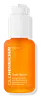
This brightening serum is formulated around Sodium Ascorbyl Phosphate to brighten dull-looking skin.
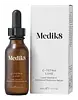
This brightening serum is formulated around Tetrahexyldecyl Ascorbate and Squalane to brighten dull-looking skin and fade the look of dark spots.


What's inside
What's inside
 Key Ingredients
Benefits
Concerns
Ingredients Side-by-side
Water
Skin ConditioningGlycerin
Humectant


Oleth-20
CleansingSodium Ascorbyl Phosphate
Antioxidant






Hydroxyethylcellulose
Emulsion StabilisingPhenoxyethanol
Preservative
Caprylyl Glycol
Emollient
Hexylene Glycol
EmulsifyingCitric Acid
Buffering

Parfum
Masking



PEG-12 Dimethicone
Skin Conditioning
Tocopheryl Acetate
Antioxidant
Aroma
Hydrolyzed Vegetable Protein
Skin ConditioningDisodium Phosphate
BufferingPolysorbate 60
Emulsifying
Aloe Barbadensis Leaf Extract
Emollient
Citrus Aurantium Dulcis Fruit Extract
MaskingSodium Hyaluronate
Humectant
Thioctic Acid
Antioxidant
Calcium Ascorbate
Antioxidant
Sodium Phosphate
BufferingSorbitol
Humectant
Citrus Grandis Seed Extract
Astringent
Sodium Benzoate
Masking
Ascorbic Acid
Antioxidant
Camellia Sinensis Leaf Extract
Antimicrobial
Euphrasia Officinalis Extract
AntimicrobialRosa Canina Fruit Extract
Astringent
Leuconostoc/Radish Root Ferment Filtrate
Antimicrobial
Potassium Sorbate
Preservative
Triacetin
AntimicrobialSodium Benzotriazolyl Butylphenol Sulfonate
UV AbsorberBenzyl Benzoate
Antimicrobial
Limonene
Perfuming
Linalool
Perfuming
CI 15985
Cosmetic ColorantWater, Glycerin, Oleth-20, Sodium Ascorbyl Phosphate, Hydroxyethylcellulose, Phenoxyethanol, Caprylyl Glycol, Hexylene Glycol, Citric Acid, Parfum, PEG-12 Dimethicone, Tocopheryl Acetate, Aroma, Hydrolyzed Vegetable Protein, Disodium Phosphate, Polysorbate 60, Aloe Barbadensis Leaf Extract, Citrus Aurantium Dulcis Fruit Extract, Sodium Hyaluronate, Thioctic Acid, Calcium Ascorbate, Sodium Phosphate, Sorbitol, Citrus Grandis Seed Extract, Sodium Benzoate, Ascorbic Acid, Camellia Sinensis Leaf Extract, Euphrasia Officinalis Extract, Rosa Canina Fruit Extract, Leuconostoc/Radish Root Ferment Filtrate, Potassium Sorbate, Triacetin, Sodium Benzotriazolyl Butylphenol Sulfonate, Benzyl Benzoate, Limonene, Linalool, CI 15985
Squalane
Emollient
Simmondsia Chinensis Seed Oil
Emollient
Tetrahexyldecyl Ascorbate
Antioxidant
Dimethicone
Emollient
Candida Bombicola/Glucose/Methyl Rapeseedate Ferment
AntimicrobialCitrus Grandis Peel Oil
Masking

Ethyl Linoleate
Emollient
Passiflora Edulis Seed Oil
Emollient
Tocopheryl Acetate
Antioxidant
Helianthus Annuus Seed Oil
Emollient
Olea Europaea Fruit Oil
Masking
Panax Ginseng Root Oil
Skin Conditioning
Prunus Amygdalus Dulcis Oil
Skin Conditioning
Prunus Armeniaca Kernel Oil
Masking
PPG-12/Smdi Copolymer
EmollientLimonene
Perfuming
Citral
Perfuming
Linalool
Perfuming
Geraniol
Perfuming
Squalane, Simmondsia Chinensis Seed Oil, Tetrahexyldecyl Ascorbate, Dimethicone, Candida Bombicola/Glucose/Methyl Rapeseedate Ferment, Citrus Grandis Peel Oil, Ethyl Linoleate, Passiflora Edulis Seed Oil, Tocopheryl Acetate, Helianthus Annuus Seed Oil, Olea Europaea Fruit Oil, Panax Ginseng Root Oil, Prunus Amygdalus Dulcis Oil, Prunus Armeniaca Kernel Oil, PPG-12/Smdi Copolymer, Limonene, Citral, Linalool, Geraniol
Reviews
Ingredients Explained
These ingredients are found in both products.
Ingredients higher up in an ingredient list are typically present in a larger amount.
Limonene is the compound that gives citrus peel its smell.
In skincare, it shows up as a standalone fragrance ingredient or as a natural compound of citrus and other essential oils.
You'll typically see this ingredient used in very small amounts; anything above 0.001% in a leave-on product or 0.01% in a rinse-off has to be named on the label in the EU. The citrus oils that carry it sit around 0.5-1% in a finished formula.
Fresh limonene is a weak allergen; the real issue is that it slowly reacts with air and then breaks down from oxidation to create hydroperoxides (which are strong sensitizers). This is why suppliers are required to keep the peroxide value below 20 mmol.
Positive reactions in people being investigated for eczema vary:
It's worth skipping if you have a known fragrance allergy or a compromised barrier, but the risk is low for most people.
Older or long-opened products are also more likely to bother you than fresh ones due to oxidation.
Learn more about LimoneneLinalool is a small, naturally occurring scent molecule found in plants like lavender, coriander, bergamot, and more.
It is one of the two most-used fragrance ingredients in cosmetics and added purely for smell. Since it's not used for a skin benefit, there's no "effective dose". Concentration depends on the fragrance load of the product.
The EU requires it to be named on the label above 0.001% in leave-on and 0.01% in rinse-off products.
Fresh linalool is a weak sensitizer but air exposure turns some of it into hydroperoxides, which are strong sensitizers. Those oxidation products are the actual allergy concern.
Patch-test clinics see positive reactions to linalool hydroperoxides in about 4% to 12% of dermatitis patients depending on country and test concentration.
Resassuringly, one analytical study found hydroperoxide levels in real fragranced products to be orders of magnitude below what induced sensitization in animal studies with no evidence of oxidation building up during normal storage.
The practical takeaway is that linalool is fine for most people but worth avoiding if you have a confirmed fragrance contact allergy or a badly compromised barrier.
Products stored a long time after opening are also the high-risk scenario since that is when oxidation happens.
The scent of linalool is described as floral, spicy tropical, and citrus-like.
Learn more about LinaloolTocopheryl Acetate is a stable, shelf-friendly form of vitamin E.
Formulators love it because plain vitamin E oxidizes quickly once it hits air. This acetate version stays stable and resists going off, helping to extend a product's shelf life.
It's actually inactive on its own and works like a slow-release "storage" form; the enzymes in your skin called esterases gradually convert it into active vitamin E over time.
One in vivo study showed 5% of the acetate in the living layer of the epidermis converted to vitamin E after 5 days of application. This study also found the skin gained protection against UV damage even though the conversion was slow and small.
Once converted, vitamin E acts as a skin's main fat-soluble antioxidant that fights free radicals to protect skin from damage.
Topical vitamin E generally boosts the skin's photoprotection, and it reduced UV-damage in animal models.
This ingredient has some brightening potential but it's more of a prevention ingredient than spot-fader. Cell studies show it can slow down melanin production but it's worth noting that it's not the most powerful brightener out there.
Overall, it has a pretty solid safety profile and has been found to be non-irritating and non-comedogenic. Allergic reactions may happen but stay rare due to how widely the ingredient gets used.
The concentration will vary depending on the formula; industry data shows 0.1% in baby lotions, 3% in lipsticks, and 5% in foot powders. You can also find this ingredient at 100% in a pure vitamin E oil.
Most leave-on skincare keeps it at the lower end, often between 0.5-1%.
Learn more about Tocopheryl Acetate

