

What's inside
What's inside
 Key Ingredients
Benefits
Concerns
Ingredients Side-by-side
Water
Skin ConditioningCyclopentasiloxane
Emollient
Glycerin
Humectant


Niacinamide
Smoothing









Aluminum Starch Octenylsuccinate
Absorbent
Dimethicone
Emollient
Dimethicone Crosspolymer
Emulsion Stabilising
Polyethylene
Abrasive

Panthenol
Skin Conditioning
Tocopheryl Acetate
Antioxidant

Palmitoyl Pentapeptide-4
Skin Conditioning
Sodium PEG-7 Olive Oil Carboxylate
Emulsifying
Ceratonia Siliqua Fruit Extract
MaskingPolyacrylamide
Titanium Dioxide
Cosmetic Colorant

C13-14 Isoparaffin
Emollient
Caprylyl Glycol
Emollient
Ceramide AP
Skin Conditioning
1,2-Hexanediol
Skin Conditioning
Phenoxyethanol
Preservative
Laureth-4
Emulsifying
Laureth-7
EmulsifyingDimethiconol
Emollient
Parfum
Masking


BHT
Antioxidant
Disodium EDTA
Citric Acid
Buffering
Mica
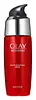
Cosmetic ColorantWater, Cyclopentasiloxane, Glycerin, Niacinamide, Aluminum Starch Octenylsuccinate, Dimethicone, Dimethicone Crosspolymer, Polyethylene, Panthenol, Tocopheryl Acetate, Palmitoyl Pentapeptide-4, Sodium PEG-7 Olive Oil Carboxylate, Ceratonia Siliqua Fruit Extract, Polyacrylamide, Titanium Dioxide, C13-14 Isoparaffin, Caprylyl Glycol, Ceramide AP, 1,2-Hexanediol, Phenoxyethanol, Laureth-4, Laureth-7, Dimethiconol, Parfum, BHT, Disodium EDTA, Citric Acid, Mica
Snail Secretion Filtrate
Skin Conditioning
Betaine
Humectant
Caprylic/Capric Triglyceride
Masking
Butylene Glycol
Humectant
Cetearyl Olivate

Sorbitan Olivate
Emulsifying
Cetearyl Alcohol
Emollient
Carbomer
Emulsion StabilisingEthyl Hexanediol
SolventPhenoxyethanol
Preservative
Arginine
Masking
Dimethicone
Emollient
Sodium Polyacrylate
Absorbent
Sodium Hyaluronate
Humectant
Allantoin
Skin Conditioning
Palmitic Acid
Emollient
Panthenol
Skin Conditioning
Xanthan Gum
EmulsifyingStearic Acid
Cleansing
Adenosine
Skin Conditioning
Water
Skin ConditioningMyristic Acid
Cleansing
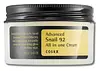
Snail Secretion Filtrate, Betaine, Caprylic/Capric Triglyceride, Butylene Glycol, Cetearyl Olivate, Sorbitan Olivate, Cetearyl Alcohol, Carbomer, Ethyl Hexanediol, Phenoxyethanol, Arginine, Dimethicone, Sodium Polyacrylate, Sodium Hyaluronate, Allantoin, Palmitic Acid, Panthenol, Xanthan Gum, Stearic Acid, Adenosine, Water, Myristic Acid
Reviews
Ingredients Explained
These ingredients are found in both products.
Ingredients higher up in an ingredient list are typically present in a larger amount.
Dimethicone is a type of synthetic silicone created from natural materials such as quartz. It is also known as polydimethylsiloxane.
What it does:
Dimethicone comes in different viscosities:
Depending on the viscosity, dimethicone has different properties.
Ingredients lists don't always show which type is used, so we recommend reaching out to the brand if you have questions about the viscosity.
This ingredient is unlikely to cause irritation because it does not get absorbed into skin. However, people with silicone allergies should be careful about using this ingredient.
Note: Dimethicone may contribute to pilling. This is because it is not oil or water soluble, so pilling may occur when layered with products. When mixed with heavy oils in a formula, the outcome is also quite greasy.
Learn more about DimethiconePanthenol is a common ingredient that helps hydrate and soothe the skin. It is found naturally in our skin and hair.
There are two forms of panthenol: D and L.
D-panthenol is also known as dexpanthenol. Most cosmetics use dexpanthenol or a mixture of D and L-panthenol.
Panthenol is famous due to its ability to go deeper into the skin's layers. Using this ingredient has numerous pros (and no cons):
Like hyaluronic acid, panthenol is a humectant. Humectants are able to bind and hold large amounts of water to keep skin hydrated.
This ingredient works well for wound healing. It works by increasing tissue in the wound and helps close open wounds.
Once oxidized, panthenol converts to pantothenic acid. Panthothenic acid is found in all living cells.
This ingredient is also referred to as pro-vitamin B5.
Learn more about PanthenolPhenoxyethanol is a preservative that has germicide, antimicrobial, and aromatic properties. Studies show that phenoxyethanol can prevent microbial growth. By itself, it has a scent that is similar to that of a rose.
It's often used in formulations along with Caprylyl Glycol to preserve the shelf life of products.
Water. It's the most common cosmetic ingredient of all. You'll usually see it at the top of ingredient lists, meaning that it makes up the largest part of the product.
So why is it so popular? Water most often acts as a solvent - this means that it helps dissolve other ingredients into the formulation.
You'll also recognize water as that liquid we all need to stay alive. If you see this, drink a glass of water. Remember to stay hydrated!
Learn more about Water
