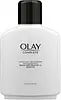
This calming day moisturizer is formulated around Aloe Barbadensis Leaf Extract and Tocopheryl Acetate to calm redness and hydrate skin.
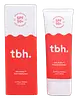
This chemical sunscreen covers most of the UV range, lighter on the deep UVA that drives aging.


What's inside
What's inside
 Key Ingredients
Benefits
Concerns
Ingredients Side-by-side
Ethylhexyl Methoxycinnamate 6%
UV Absorber


Zinc Oxide
Cosmetic Colorant
Water
Skin ConditioningGlycerin
Humectant


Isohexadecane
EmollientAloe Barbadensis Leaf Extract
Emollient

Tocopheryl Acetate
Antioxidant


Steareth-21
CleansingCyclopentasiloxane
Emollient
Polyacrylamide
Stearyl Alcohol
Emollient


C13-14 Isoparaffin
Emollient
Behenyl Alcohol
Emollient
DMDM Hydantoin
Preservative

Cetyl Alcohol
Emollient
PEG/PPG-20/20 Dimethicone
Emulsifying
Laureth-7
EmulsifyingSteareth-2
EmulsifyingDisodium EDTA
ChelatingTriethoxycaprylylsilane
Oleth-3 Phosphate
SurfactantBHT
Antioxidant
Iodopropynyl Butylcarbamate
Preservative
Ethylhexyl Methoxycinnamate 6%, Zinc Oxide, Water, Glycerin, Isohexadecane, Aloe Barbadensis Leaf Extract, Tocopheryl Acetate, Steareth-21, Cyclopentasiloxane, Polyacrylamide, Stearyl Alcohol, C13-14 Isoparaffin, Behenyl Alcohol, DMDM Hydantoin, Cetyl Alcohol, PEG/PPG-20/20 Dimethicone, Laureth-7, Steareth-2, Disodium EDTA, Triethoxycaprylylsilane, Oleth-3 Phosphate, BHT, Iodopropynyl Butylcarbamate
Water
Skin ConditioningGlycerin
Humectant
EDTA
ChelatingC12-15 Alkyl Benzoate
AntimicrobialOctocrylene
UV Absorber
Butyl Methoxydibenzoylmethane
UV Absorber
Benzophenone-3
UV Absorber
Potassium Cetyl Phosphate
EmulsifyingSorbitan Stearate
Emulsifying
Cetearyl Alcohol
Emollient
Glyceryl Stearate
Emollient
Tocopherol
Antioxidant

Acrylates/C10-30 Alkyl Acrylate Crosspolymer
Emulsion StabilisingSodium Hydroxide
BufferingPhenylbenzimidazole Sulfonic Acid
UV Absorber
Phenoxyethanol
Preservative
Iodopropynyl Butylcarbamate
Preservative
Ethylhexylglycerin
Skin ConditioningWater, Glycerin, EDTA, C12-15 Alkyl Benzoate, Octocrylene, Butyl Methoxydibenzoylmethane, Benzophenone-3, Potassium Cetyl Phosphate, Sorbitan Stearate, Cetearyl Alcohol, Glyceryl Stearate, Tocopherol, Acrylates/C10-30 Alkyl Acrylate Crosspolymer, Sodium Hydroxide, Phenylbenzimidazole Sulfonic Acid, Phenoxyethanol, Iodopropynyl Butylcarbamate, Ethylhexylglycerin
Reviews
Ingredients Explained
These ingredients are found in both products.
Ingredients higher up in an ingredient list are typically present in a larger amount.
Glycerin (or glycerol) is a compound naturally found in your skin. It's a powerhouse humectant that pulls water into the stratum corneum.
Topically, glycerin does several things at once:
Your skin makes glycerin on its own (mostly from sebaceous oil breakdown) and shuttles it to your outermost layer of skin, or your epidermis, via aquaporin-3.
Aquaporin-3 is a transporter that is essential for normal skin hydration, elasticity, and repair. Interestingly, mice lacking in AQP3 have dry and less elastic skin that can be fully corrected with glycerin.
This ingredient is non-irritating, plays well with almost every ingredient, and works across all skin types. Typical use is anywhere between 3-10% but can go up to 79% in some leave-on products.
Just know very high concentrations (>40%) can feel tacky in low humidity.
Glycerin is the name for this ingredient in American English. British English uses Glycerol/Glycerine.
Learn more about GlycerinIodopropynyl Butylcarbamate (IPBC) is a preservative that is especially good at getting fungi and mold out of your cosmetics.
IPBC works by leveraging the antimicrobial properties of its iodine containing structure. Iodine has been used as a germicide since the late 1800s and IPBC is a more refined and stable derivative of it.
It is typically used at very low levels in cosmetics, with most formulations using 0.0125% or less (well below its approved maximum).
In the EU, IPBC concentration limits are set at 0.02% in rinse-off products and 0.01% in leave-on products.
Though IPBC is a relatively uncommon contact allergen, patch testing studies show positive reaction rates ranging from 0.3%-0.9% of patients tested. This is still quite low compared to preservatives like methylisothiazolinone which sits at around 4-5%.
Researchers note that existing iodine sensitives or rubber allergies may be the cause of this as IPBC shares a structure with both thiuram (used in rubber) and iodine.
Be sure to patch test if you are unsure and speak with a medical professional about using this ingredient.
Learn more about Iodopropynyl ButylcarbamateWater. It's the most common cosmetic ingredient of all. You'll usually see it at the top of ingredient lists, meaning that it makes up the largest part of the product.
So why is it so popular? Water most often acts as a solvent - this means that it helps dissolve other ingredients into the formulation.
You'll also recognize water as that liquid we all need to stay alive. If you see this, drink a glass of water. Remember to stay hydrated!
Learn more about Water

