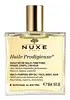
This hydrating oil is formulated around Macadamia Integrifolia Seed Oil and Prunus Amygdalus Dulcis Oil to hydrate skin.
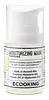
This wash off mask is made with Cucumis Sativus Fruit for a rinse-off hydration boost.


What's inside
What's inside
 Key Ingredients
Benefits
Concerns
Ingredients Side-by-side
Coco-Caprylate/Caprate
Emollient
Macadamia Integrifolia Seed Oil
Skin Conditioning



Dicaprylyl Ether
Emollient
Caprylic/Capric Triglyceride
Masking
Prunus Amygdalus Dulcis Oil
Skin Conditioning

Corylus Avellana Seed Oil
Emollient
Camellia Oleifera Seed Oil
Skin Conditioning
Parfum
Masking


Camellia Japonica Seed Oil
Emollient
Tocopherol
Antioxidant





Argania Spinosa Kernel Oil
Emollient

Borago Officinalis Seed Oil
Emollient
Tocopheryl Acetate
Antioxidant
Helianthus Annuus Seed Oil
Emollient
Rosmarinus Officinalis Leaf Extract
AntimicrobialPolyglyceryl-3 Diisostearate
Emulsifying
Ascorbic Acid
Antioxidant


Solanum Lycopersicum Fruit Extract
Antioxidant
Linalool
Perfuming
Limonene
Perfuming
Citronellol
Perfuming
Geraniol
Perfuming
Coco-Caprylate/Caprate, Macadamia Integrifolia Seed Oil, Dicaprylyl Ether, Caprylic/Capric Triglyceride, Prunus Amygdalus Dulcis Oil, Corylus Avellana Seed Oil, Camellia Oleifera Seed Oil, Parfum, Camellia Japonica Seed Oil, Tocopherol, Argania Spinosa Kernel Oil, Borago Officinalis Seed Oil, Tocopheryl Acetate, Helianthus Annuus Seed Oil, Rosmarinus Officinalis Leaf Extract, Polyglyceryl-3 Diisostearate, Ascorbic Acid, Solanum Lycopersicum Fruit Extract, Linalool, Limonene, Citronellol, Geraniol
Glycerin
Humectant
Aloe Barbadensis Leaf Water
MaskingWater
Skin ConditioningCucumis Sativus Fruit
Skin Conditioning
Dimethicone
Emollient
Dimethiconol
Emollient
Phenoxyethanol
Preservative
Triethanolamine
BufferingCarbomer
Emulsion StabilisingDimethicone/Vinyl Dimethicone Crosspolymer
Skin Conditioning
Caprylyl Glycol
Emollient
Xanthan Gum
EmulsifyingCitrus Nobilis Peel Oil
Masking
Prunus Amygdalus Dulcis Oil
Skin Conditioning
Sesamum Indicum Seed Oil
Emollient
Citric Acid
Buffering
Sodium Benzoate
Masking
Potassium Sorbate
Preservative
Ethylhexylglycerin
Skin ConditioningSodium Hyaluronate
Humectant
Glucose
Humectant
Carrageenan
Parfum
Masking
Glycerin, Aloe Barbadensis Leaf Water, Water, Cucumis Sativus Fruit, Dimethicone, Dimethiconol, Phenoxyethanol, Triethanolamine, Carbomer, Dimethicone/Vinyl Dimethicone Crosspolymer, Caprylyl Glycol, Xanthan Gum, Citrus Nobilis Peel Oil, Prunus Amygdalus Dulcis Oil, Sesamum Indicum Seed Oil, Citric Acid, Sodium Benzoate, Potassium Sorbate, Ethylhexylglycerin, Sodium Hyaluronate, Glucose, Carrageenan, Parfum
Reviews
Ingredients Explained
These ingredients are found in both products.
Ingredients higher up in an ingredient list are typically present in a larger amount.
Parfum is a catch-all term for an ingredient or more that is used to give a scent to products.
Also called "fragrance", this ingredient can be a blend of hundreds of chemicals or plant oils. This means every product with "fragrance" or "parfum" in the ingredients list is a different mixture.
For instance, Habanolide is a proprietary trade name for a specific aroma chemical. When used as a fragrance ingredient in cosmetics, most aroma chemicals fall under the broad labeling category of “FRAGRANCE” or “PARFUM” according to EU and US regulations.
The term 'parfum' or 'fragrance' is not regulated in many countries. In many cases, it is up to the brand to define this term.
For instance, many brands choose to label themselves as "fragrance-free" because they are not using synthetic fragrances. However, their products may still contain ingredients such as essential oils that are considered a fragrance by INCI standards.
One example is Calendula flower extract. Calendula is an essential oil that still imparts a scent or 'fragrance'.
Depending on the blend, the ingredients in the mixture can cause allergies and sensitivities on the skin. Some ingredients that are known EU allergens include linalool and citronellol.
Parfum can also be used to mask or cover an unpleasant scent.
The bottom line is: not all fragrances/parfum/ingredients are created equally. If you are worried about fragrances, we recommend taking a closer look at an ingredient. And of course, we always recommend speaking with a professional.
Learn more about ParfumThis ingredient is also known as sweet almond oil. It is a lightweight, cold-pressed oil from the ripe seeds of the sweet almond tree.
Sweet almond oil is rich in skin-nourishing fatty acids such as oleic acid (55-86%) and linolenic acid (7-35%).
As an emollient, it softens and hydrates skin by forming a thin barrier that locks in moisture.
Clinical studies have found it to be non-irritating and non-sensitizing. The CIR Expert Panel has evaluated the available safety data and concluded it is safe for topical use.
Because of the oleic acid content, this ingredient may not be fungal acne safe.
This ingredient does have a comedogenic rating of 3, but this doesn't mean a formula with this ingredient will clog pores.
Human testing has proved that any finished product with a comedogenic ingredient won't automatically make you break out; it really comes down to concentration, formula, and your skin.
Learn more about Prunus Amygdalus Dulcis Oil

