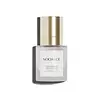
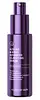
Nooance Soin Clarifiant Anti-Rougeurs Versus Allies of Skin Azelaic & Kojic Advanced Clarifying Serum
This calming serum is formulated around Azelaic Acid and Tranexamic Acid to calm redness and fade the look of dark spots.
This brightening serum is formulated around Azelaic Acid and Kojic Acid to fade the look of dark spots and clear breakouts.


What's inside
What's inside
 Key Ingredients
Benefits
Concerns
Ingredients Side-by-side
Water
Skin ConditioningAzelaic Acid
Buffering









Simmondsia Chinensis Seed Oil
Emollient




Tranexamic Acid
Astringent
Glycerin
Humectant
Dimethicone
Emollient
Niacinamide
Smoothing

Pentylene Glycol
Skin Conditioning
Citric Acid
Buffering
Hydroxyethyl Acrylate/Sodium Acryloyldimethyl Taurate Copolymer
Emulsion StabilisingLauryl Glucoside
CleansingPolyglyceryl-2 Dipolyhydroxystearate
Skin Conditioning
Butylene Glycol
Humectant
Bisabolol
Antioxidant
Sclerotium Gum
Emulsion StabilisingEthylhexylglycerin
Skin ConditioningChlorphenesin
Antimicrobial
Allantoin
Skin Conditioning
O-Cymen-5-Ol
Antimicrobial
Polysorbate 60
Emulsifying
Sorbitan Isostearate
Emulsifying
Glycyrrhiza Glabra Root Extract
Bleaching
Adenosine
Skin Conditioning
Tocopherol
Antioxidant
Water, Azelaic Acid, Simmondsia Chinensis Seed Oil, Tranexamic Acid, Glycerin, Dimethicone, Niacinamide, Pentylene Glycol, Citric Acid, Hydroxyethyl Acrylate/Sodium Acryloyldimethyl Taurate Copolymer, Lauryl Glucoside, Polyglyceryl-2 Dipolyhydroxystearate, Butylene Glycol, Bisabolol, Sclerotium Gum, Ethylhexylglycerin, Chlorphenesin, Allantoin, O-Cymen-5-Ol, Polysorbate 60, Sorbitan Isostearate, Glycyrrhiza Glabra Root Extract, Adenosine, Tocopherol
Water
Skin ConditioningAzelaic Acid
Buffering
Butylene Glycol
Humectant
Aloe Barbadensis Leaf Juice
Skin Conditioning
Propanediol
Solvent
Caprylic/Capric Triglyceride
Masking
Kojic Acid
Antioxidant
Polysorbate 20
Emulsifying
Glycerin
Humectant
Caprylyl Glycol
Emollient
Hexylresorcinol
Antimicrobial
Ethyl Linoleate
Emollient

Leuconostoc/Radish Root Ferment Filtrate
Antimicrobial
Dodecane
Emollient
Hydroxyethylcellulose
Emulsion StabilisingXanthan Gum
EmulsifyingHelianthus Annuus Seed Oil
Emollient
Squalane
Emollient
Bisabolol
Antioxidant
Glyceryl Laurate
Emollient
Glyceryl Undecylenate
Emollient
Allantoin
Skin Conditioning
Ribose
HumectantSodium Acetate
BufferingBakuchiol
Antimicrobial
Glycyrrhiza Glabra Root Extract
Bleaching
Cellulose
Absorbent
Phenoxyethanol
Preservative
Water, Azelaic Acid, Butylene Glycol, Aloe Barbadensis Leaf Juice, Propanediol, Caprylic/Capric Triglyceride, Kojic Acid, Polysorbate 20, Glycerin, Caprylyl Glycol, Hexylresorcinol, Ethyl Linoleate, Leuconostoc/Radish Root Ferment Filtrate, Dodecane, Hydroxyethylcellulose, Xanthan Gum, Helianthus Annuus Seed Oil, Squalane, Bisabolol, Glyceryl Laurate, Glyceryl Undecylenate, Allantoin, Ribose, Sodium Acetate, Bakuchiol, Glycyrrhiza Glabra Root Extract, Cellulose, Phenoxyethanol
Reviews
Ingredients Explained
These ingredients are found in both products.
Ingredients higher up in an ingredient list are typically present in a larger amount.
Allantoin is a soothing ingredient known for its protective and moisturizing properties; it's basically a quiet workhorse ingredient you can find in a huge range of cosmetics.
Though it can be derived from the comfrey plant, allantoin is produced synthetically for cosmetic products to ensure purity.
Research shows it can encourage your skin cells to turn over and renew by stimulating keratinocyte and fibroblast proliferation.
It also has mild keratolytic properties to help loosen and shed dead skin cells without being harsh.
Studies also suggest allantoin can help calm inflammation by dialing down some of the chemical signals your skin sends out when it is irritated.
This ingredient is typically used in the 0.1-0.5% range, and the FDA recognizes it as a skin protectant in OTC products up to 2%.
Overall, allantoin is a wonderful addition to most routines; it is stable across a wide pH range (~4-8), works well with other ingredients, and is considered non-sensitizing/non-irritating.
Fun fact: Allantoin is naturally occurring in comfrey root, beets, chamomile, and wheat sprouts. Our bodies even produce it as a byproduct of uric acid metabolism.
Learn more about AllantoinAzelaic acid is a multitasker ingredient that helps treat acne, pigmentation, and irritation. It is a great option for sensitive skin.
What makes it special?
OTC Azelaic acid is usually available in concentrations from 10-15% and anything over requires a prescription.
Here's what each tier does best:
Unlike other acids, azelaic acid will not make your skin more photosensitive/sun sensitive.
Though this ingredient is naturally occurring in grains like wheat, rye, and barley, it is usually synthetically created for cosmetics to ensure stability and effectiveness.
Learn more about Azelaic AcidBisabolol is a gentle skin conditioner, antioxidant, and soothing ingredient.
It's primary claim to fame is soothing and research shows topically applied bisabolol can quiet the chemical messengers that cause your skin to become inflamed, helping to sooth any irritation.
A clinical study found that applying 0.5% bisabolol daily for 8 weeks produced an average 9% decrease in skin pigmentation. Researchers found it can also suppress the process that leads to excess melanin production in skin.
In vitro studies found that bisabolol combined with propylene glycol significantly increased skin permeability by increasing lipid fluidity in the stratum corneum.
You'll likely see use concentrations quite low, usually 0.1-0.2%.
Overall, this is a well-tolerated ingredient that works well in formulas designed for sensitive, reactive, or post-procedure skin.
Learn more about BisabololButylene Glycol (or BG) is used within cosmetic products for a few different reasons:
Overall, Butylene Glycol is a safe and well-rounded ingredient that works well with other ingredients.
Though this ingredient works well with most skin types, some people with sensitive skin may experience a reaction such as allergic rashes, closed comedones, or itchiness.
Learn more about Butylene GlycolGlycerin (or glycerol) is a compound naturally found in your skin. It's a powerhouse humectant that pulls water into the stratum corneum.
Topically, glycerin does several things at once:
Your skin makes glycerin on its own (mostly from sebaceous oil breakdown) and shuttles it to your outermost layer of skin, or your epidermis, via aquaporin-3.
Aquaporin-3 is a transporter that is essential for normal skin hydration, elasticity, and repair. Interestingly, mice lacking in AQP3 have dry and less elastic skin that can be fully corrected with glycerin.
This ingredient is non-irritating, plays well with almost every ingredient, and works across all skin types. Typical use is anywhere between 3-10% but can go up to 79% in some leave-on products.
Just know very high concentrations (>40%) can feel tacky in low humidity.
Glycerin is the name for this ingredient in American English. British English uses Glycerol/Glycerine.
Learn more about GlycerinGlycyrrhiza Glabra Root Extract is an extract of the roots of Licorice. It has been found to have several benefits such as skin hydrating, conditioning, and soothing.
One component, glabridin, has extra potent antioxidant and soothing properties. It has also been found to block pigmentation from UVB rays in guinea pigs.
Licorice Root also contains a flavonoid. Flavonoids are a natural substance from in plants. Flavonoids also have antioxidant properties.
Another component, glycyrrhizin, has been found to have anti-inflammatory and antimicrobial benefits. This may make licorice root extract effective at treating acne. However, more research is needed to support this.
Liquiritin is one of the flavone compounds found in licorice. It has been found to help lighten skin by preventing tyrosinase from reacting with tyrosine. When the two react, protein is converted to melanin. Melanin is the substance in your body that gives your features pigmentation.
Learn more about Glycyrrhiza Glabra Root ExtractWater. It's the most common cosmetic ingredient of all. You'll usually see it at the top of ingredient lists, meaning that it makes up the largest part of the product.
So why is it so popular? Water most often acts as a solvent - this means that it helps dissolve other ingredients into the formulation.
You'll also recognize water as that liquid we all need to stay alive. If you see this, drink a glass of water. Remember to stay hydrated!
Learn more about Water

