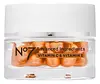
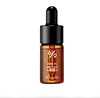
No7 Advanced Ingredients Vitamin C & Vitamin E Facial Capsules Versus Dr.Ceuracle Pure VC Mellight Ampoule
This brightening treatment is formulated around Ascorbic Acid and Tocopheryl Acetate to brighten dull-looking skin and fade the look of dark spots.
This brightening ampoule is formulated around Ascorbic Acid and Hippophae Rhamnoides Fruit Extract to brighten dull-looking skin and fade the look of dark spots.


What's inside
What's inside
 Key Ingredients
Benefits
Concerns
No concerns
Ingredients Side-by-side


Ascorbic Acid
Antioxidant






Hippophae Rhamnoides Fruit Extract
Skin Conditioning


Dipropylene Glycol
HumectantPropanediol
Solvent
Methylpropanediol
SolventSodium PCA
Humectant
C12-14 Pareth-12
EmulsifyingPortulaca Oleracea Extract
Skin Conditioning
Glycyrrhiza Uralensis Extract
EmollientLavandula Angustifolia Oil
Masking




Citrus Aurantium Bergamia Fruit Oil
Masking
Rosmarinus Officinalis Leaf Oil
Masking
Hydrogenated Lecithin
Emulsifying
Sodium Hyaluronate
Humectant
Chamomilla Recutita Flower Oil
Masking
Anthemis Nobilis Flower Oil
Masking
Water
Skin ConditioningAmmonium Acryloyldimethyltaurate/Vp Copolymer
Panthenol
Skin Conditioning
Glycerin
Humectant
Citric Acid
Buffering

Allantoin
Skin Conditioning
Tocopherol
Antioxidant
Tranexamic Acid
Astringent
Hydroxydecyl Ubiquinone
Antioxidant
Caprylic/Capric Triglyceride
Masking
Disodium EDTA
ChelatingSodium Citrate
BufferingFullerenes
AntimicrobialHydroxypropyl Cyclodextrin
MaskingCeramide NP
Skin Conditioning
Glutathione
Phytosteryl/Octyldodecyl Lauroyl Glutamate
Skin ConditioningHydroxyacetophenone
Antioxidant
Ethylhexylglycerin
Skin Conditioning1,2-Hexanediol
Skin Conditioning
Ascorbic Acid, Hippophae Rhamnoides Fruit Extract, Dipropylene Glycol, Propanediol, Methylpropanediol, Sodium PCA, C12-14 Pareth-12, Portulaca Oleracea Extract, Glycyrrhiza Uralensis Extract, Lavandula Angustifolia Oil, Citrus Aurantium Bergamia Fruit Oil, Rosmarinus Officinalis Leaf Oil, Hydrogenated Lecithin, Sodium Hyaluronate, Chamomilla Recutita Flower Oil, Anthemis Nobilis Flower Oil, Water, Ammonium Acryloyldimethyltaurate/Vp Copolymer, Panthenol, Glycerin, Citric Acid, Allantoin, Tocopherol, Tranexamic Acid, Hydroxydecyl Ubiquinone, Caprylic/Capric Triglyceride, Disodium EDTA, Sodium Citrate, Fullerenes, Hydroxypropyl Cyclodextrin, Ceramide NP, Glutathione, Phytosteryl/Octyldodecyl Lauroyl Glutamate, Hydroxyacetophenone, Ethylhexylglycerin, 1,2-Hexanediol
Ingredients Explained
These ingredients are found in both products.
Ingredients higher up in an ingredient list are typically present in a larger amount.
Ascorbic Acid is is pure Vitamin C and is the biologically active form used directly by skin.
Not only is vitamin C great for your overall health and immune system, but it also has plenty of benefits for your skin. It is best supported by academic literature for:
Topical vitamin C has been shown to help neutralize oxidative stress from UV and pollution, helping to improve photoaging and hyperpigmentation when used consistently.
One clinical study found that using 5% topical vitamin C for six months improved signs of photodamaged skin, both on the surface and in the deeper structural layers of the skin.
While vitamin C doesn’t replace sunscreen, studies show it can boost photoprotection when combined with Vitamin E and ferulic acid. These two ingredients help improve stability and protective effects.
The big downside of this ingredient is formulation difficulty. Vitamin C is prone to oxidation and doesn't penetrate the skin unless formulated correctly. Research found that vitamin C absorbs into the skin best at a low pH (< 3.5) with about 20% being the upper limit for effective absorption.
Skin levels can saturate after repeated application; this means your skin won’t keep absorbing more once it’s full of vitamin C. This is why more isn’t always better with vitamin C and why very high concentrations don’t necessarily give extra benefits.
Ascorbic acid generally works well with many skincare ingredients but can be irritating when combined with other active ingredients. Strong oxidizing acne treatments like benzoyl peroxide can reduce the effectiveness of vitamin C if they are used at the same time; they are often recommended for use at different times of day.
Read more about other types of Vitamin C:
Foods rich with vitamin C include oranges, strawberries, broccoli, bell peppers, and more. When consuming Vitamin C, your skin receives a portion of the nutrients.
Learn more about Ascorbic AcidCaprylic/Capric Triglyceride (aka MCT Oil) is a lightweight emollient, solvent, and texture enhancer. It is considered a skin-softener by helping to prevent moisture loss.
Though it behaves like an oil, it is not technically one due to its chemical composition. One perk of this ingredient is that it is very stable, resistant to oxidation, and unlikely to go rancid.
In practice, that translates to a long shelf life and a consistently elegant skin feel.
While there is an assumption Caprylic Triglyceride can clog pores due to it being derived from coconut oil, there is no research supporting this. Just patch test if you have concerns.
Fractionated coconut oil and MCT Oil are both listed as Caprylic/Capric Triglyceride according to INCI. This is because INCI names are based on the ingredient’s final chemical composition and not its marketing name or source.
This ingredient is treated as the gold standard fungal acne safe oil. Even though it is coconut derived, the problematic lauric acid is stripped out.
This leaves just caprylic (C8) and capric (C10) acid. These chain lengths actually trend antifungal; a 2020 study found caprylic acid was enough to disrupt Malassezia furfur cell membrane, with a caprylic acid derivative damaging membrane structures at concentrations as low as 0.2%.
Learn more about Caprylic/Capric Triglyceride

