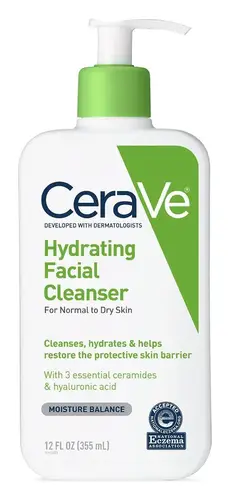
This hydrating toner is formulated around Panthenol and Niacinamide to hydrate skin and strengthen the skin barrier.
This oil-control toner is formulated around Salicylic Acid to balance excess oil and refine skin texture.


What's inside
What's inside
 Key Ingredients
Benefits
Concerns
No concerns
Ingredients Side-by-side
Water
Skin ConditioningPanthenol
Skin Conditioning




Pentylene Glycol
Skin Conditioning
Glycerin
Humectant
Propanediol
Solvent
Niacinamide
Smoothing







Butylene Glycol
Humectant
Ectoin
Skin Conditioning
Amylopectin
Lithothamnion Calcareum Extract
Skin ConditioningBeta-Glucan
Skin Conditioning
Phospholipids
Skin Conditioning
Sphingolipids
Emollient
Aloe Barbadensis Leaf Extract
Emollient
Bioflavonoids
Skin ConditioningBrassica Oleracea Italica Extract
AstringentSodium PCA
Humectant
Lysine
Skin ConditioningHistidine
Humectant
Arginine
Masking
Aspartic Acid
Masking
Threonine
Serine
Masking
Glutamic Acid
Humectant
Proline
Skin Conditioning
Glycine
Buffering
Alanine
Masking
Valine
MaskingIsoleucine
Skin ConditioningLeucine
Skin ConditioningTyrosine
MaskingPhenylalanine
Masking
Allantoin
Skin Conditioning
Xanthan Gum
EmulsifyingAcacia Senegal Gum
Masking1,2-Hexanediol
Skin Conditioning
Caprylyl Glycol
Emollient
Tocopherol
Antioxidant

Potassium Sorbate
Preservative
Sodium Benzoate
Masking
Sodium Citrate
BufferingP-Anisic Acid
MaskingLactic Acid
Buffering



Water, Panthenol, Pentylene Glycol, Glycerin, Propanediol, Niacinamide, Butylene Glycol, Ectoin, Amylopectin, Lithothamnion Calcareum Extract, Beta-Glucan, Phospholipids, Sphingolipids, Aloe Barbadensis Leaf Extract, Bioflavonoids, Brassica Oleracea Italica Extract, Sodium PCA, Lysine, Histidine, Arginine, Aspartic Acid, Threonine, Serine, Glutamic Acid, Proline, Glycine, Alanine, Valine, Isoleucine, Leucine, Tyrosine, Phenylalanine, Allantoin, Xanthan Gum, Acacia Senegal Gum, 1,2-Hexanediol, Caprylyl Glycol, Tocopherol, Potassium Sorbate, Sodium Benzoate, Sodium Citrate, P-Anisic Acid, Lactic Acid





Reviews
Ingredients Explained
These ingredients are found in both products.
Ingredients higher up in an ingredient list are typically present in a larger amount.
Butylene Glycol (or BG) is used within cosmetic products for a few different reasons:
Overall, Butylene Glycol is a safe and well-rounded ingredient that works well with other ingredients.
Though this ingredient works well with most skin types, some people with sensitive skin may experience a reaction such as allergic rashes, closed comedones, or itchiness.
Learn more about Butylene GlycolGlycerin (or glycerol) is a compound naturally found in your skin. It's a powerhouse humectant that pulls water into the stratum corneum.
Topically, glycerin does several things at once:
Your skin makes glycerin on its own (mostly from sebaceous oil breakdown) and shuttles it to your outermost layer of skin, or your epidermis, via aquaporin-3.
Aquaporin-3 is a transporter that is essential for normal skin hydration, elasticity, and repair. Interestingly, mice lacking in AQP3 have dry and less elastic skin that can be fully corrected with glycerin.
This ingredient is non-irritating, plays well with almost every ingredient, and works across all skin types. Typical use is anywhere between 3-10% but can go up to 79% in some leave-on products.
Just know very high concentrations (>40%) can feel tacky in low humidity.
Glycerin is the name for this ingredient in American English. British English uses Glycerol/Glycerine.
Learn more about GlycerinWater. It's the most common cosmetic ingredient of all. You'll usually see it at the top of ingredient lists, meaning that it makes up the largest part of the product.
So why is it so popular? Water most often acts as a solvent - this means that it helps dissolve other ingredients into the formulation.
You'll also recognize water as that liquid we all need to stay alive. If you see this, drink a glass of water. Remember to stay hydrated!
Learn more about Water