This anti-aging serum is formulated around Tripeptide-29 and Tripeptide-1 to soften the look of wrinkles.
This anti-aging serum is formulated around Niacinamide and Copper Tripeptide-1 to soften the look of wrinkles and strengthen the skin barrier.


What's inside
What's inside
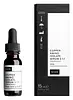 Key Ingredients
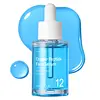
Benefits
Concerns
Ingredients Side-by-side
Water
Skin ConditioningGlycerin
Humectant


Tripeptide-29
Skin Conditioning

Bis(Tripeptide-1) Copper Acetate
Skin Conditioning
Tripeptide-1
Skin Conditioning
Myristoyl Nonapeptide-3
Skin Conditioning
Trifluoroacetyl Tripeptide-2
Skin Conditioning
Acetyl Tetrapeptide-2
Skin Conditioning
Sodium Hyaluronate Crosspolymer
Humectant
Glycogen
HumectantPropanediol
Solvent
Pentylene Glycol
Skin Conditioning
Dextran
Dimethyl Isosorbide
SolventEthoxydiglycol
HumectantIsoceteth-20
EmulsifyingLeuconostoc/Radish Root Ferment Filtrate
Antimicrobial

Caprylyl Glycol
Emollient
Ethylhexylglycerin
Skin ConditioningPhenoxyethanol
Preservative
Chlorphenesin
Antimicrobial
Water, Glycerin, Tripeptide-29, Bis(Tripeptide-1) Copper Acetate, Tripeptide-1, Myristoyl Nonapeptide-3, Trifluoroacetyl Tripeptide-2, Acetyl Tetrapeptide-2, Sodium Hyaluronate Crosspolymer, Glycogen, Propanediol, Pentylene Glycol, Dextran, Dimethyl Isosorbide, Ethoxydiglycol, Isoceteth-20, Leuconostoc/Radish Root Ferment Filtrate, Caprylyl Glycol, Ethylhexylglycerin, Phenoxyethanol, Chlorphenesin
Water
Skin ConditioningGlycerin
Humectant
Niacinamide
Smoothing








1,2-Hexanediol
Skin Conditioning
Hydroxyacetophenone
Antioxidant
Melia Azadirachta Leaf Extract
Skin ConditioningXanthan Gum
EmulsifyingMelia Azadirachta Flower Extract
Skin ConditioningCoccinia Indica Fruit Extract
Skin Conditioning
Arginine
Masking
Carbomer
Emulsion StabilisingCopper Tripeptide-1
Skin Conditioning
Aloe Barbadensis Flower Extract
EmollientSolanum Melongena Fruit Extract
Skin ConditioningAdenosine
Skin Conditioning
Disodium EDTA
ChelatingAlcohol
Antimicrobial



Ocimum Sanctum Leaf Extract
Skin ConditioningTris(Tetramethylhydroxypiperidinol)Citrate
StabilisingCorallina Officinalis Extract
Skin Conditioning
Curcuma Longa Root Extract
Antioxidant
Butylene Glycol
Humectant
Caprylic/Capric Triglyceride
Masking
Lecithin
Emollient
Polysorbate 20
Emulsifying
Atelocollagen
Skin Conditioning
Desamido Collagen
Skin Conditioning
Hydrolyzed Collagen
Emollient
Dimethylsilanol Hyaluronate
Humectant
Hydrolyzed Hyaluronic Acid
Humectant
Hydrolyzed Sodium Hyaluronate
Skin Conditioning
Soluble Collagen
Humectant
Hyaluronic Acid
Humectant
Potassium Hyaluronate
Skin ConditioningSodium Hyaluronate
Humectant
Sodium Hyaluronate Crosspolymer
Humectant
Collagen
Moisturising
Collagen Amino Acids
Moisturising
Sodium Hyaluronate Dimethylsilanol
HumectantSodium Acetylated Hyaluronate
Humectant
Sodium Ascorbyl Phosphate
Antioxidant
Procollagen
Skin Conditioning
Tripeptide-1
Skin Conditioning
Tripeptide-29
Skin Conditioning
Hexapeptide-12
Skin Conditioning
Nicotinoyl Tripeptide-35
Antioxidant
Palmitoyl Tripeptide-1
Skin Conditioning
Acetyl Hexapeptide-8
Humectant
Hexapeptide-9
Skin Conditioning
Nonapeptide-7
Skin Conditioning
Palmitoyl Pentapeptide-4
Skin Conditioning
Palmitoyl Tetrapeptide-7
Skin Conditioning
Palmitoyl Tripeptide-29
Skin Conditioning
Water, Glycerin, Niacinamide, 1,2-Hexanediol, Hydroxyacetophenone, Melia Azadirachta Leaf Extract, Xanthan Gum, Melia Azadirachta Flower Extract, Coccinia Indica Fruit Extract, Arginine, Carbomer, Copper Tripeptide-1, Aloe Barbadensis Flower Extract, Solanum Melongena Fruit Extract, Adenosine, Disodium EDTA, Alcohol, Ocimum Sanctum Leaf Extract, Tris(Tetramethylhydroxypiperidinol)Citrate, Corallina Officinalis Extract, Curcuma Longa Root Extract, Butylene Glycol, Caprylic/Capric Triglyceride, Lecithin, Polysorbate 20, Atelocollagen, Desamido Collagen, Hydrolyzed Collagen, Dimethylsilanol Hyaluronate, Hydrolyzed Hyaluronic Acid, Hydrolyzed Sodium Hyaluronate, Soluble Collagen, Hyaluronic Acid, Potassium Hyaluronate, Sodium Hyaluronate, Sodium Hyaluronate Crosspolymer, Collagen, Collagen Amino Acids, Sodium Hyaluronate Dimethylsilanol, Sodium Acetylated Hyaluronate, Sodium Ascorbyl Phosphate, Procollagen, Tripeptide-1, Tripeptide-29, Hexapeptide-12, Nicotinoyl Tripeptide-35, Palmitoyl Tripeptide-1, Acetyl Hexapeptide-8, Hexapeptide-9, Nonapeptide-7, Palmitoyl Pentapeptide-4, Palmitoyl Tetrapeptide-7, Palmitoyl Tripeptide-29
Reviews
Ingredients Explained
These ingredients are found in both products.
Ingredients higher up in an ingredient list are typically present in a larger amount.
Glycerin (or glycerol) is a compound naturally found in your skin. It's a powerhouse humectant that pulls water into the stratum corneum.
Topically, glycerin does several things at once:
Your skin makes glycerin on its own (mostly from sebaceous oil breakdown) and shuttles it to your outermost layer of skin, or your epidermis, via aquaporin-3.
Aquaporin-3 is a transporter that is essential for normal skin hydration, elasticity, and repair. Interestingly, mice lacking in AQP3 have dry and less elastic skin that can be fully corrected with glycerin.
This ingredient is non-irritating, plays well with almost every ingredient, and works across all skin types. Typical use is anywhere between 3-10% but can go up to 79% in some leave-on products.
Just know very high concentrations (>40%) can feel tacky in low humidity.
Glycerin is the name for this ingredient in American English. British English uses Glycerol/Glycerine.
Learn more about GlycerinSodium Hyaluronate Crosspolymer is a crosslinked version of sodium hyaluronate. This just means it's linked into a 3D mesh network that lets it be more stable and sit on skin as a cohesive, gel-like film rather than sinking into skin.
A 2016 human skin study found crosslinked HA increased epidermal water content by 7.6% over the control group and reduced transepidermal water loss by 27.8%.
A follow-up clinical trial found that a topical crosslinked HA serum applied after fillers, microneedling, or chemical peels was well-tolerated and enhanced skin quality at 14 / 28 days.
More recent research suggests that concentrations as low as 0.03% can act as a penetration enhancer for other skincare actives.
Learn more about Sodium Hyaluronate CrosspolymerTripeptide-1, also known as GHK), is a small, three-amino-acid peptide made up of glycine, histidine, and lysine.
This ingredient is a signal peptide and tell your skin to start producing fresh collagen, elastin, and other key structural proteins. This helps maintain firmness and reduces the look of fine-lines/wrinkles.
GHK is also unique because is also acts as a carrier peptide. It binds to and transports copper ions (forming the complex GHK-Cu). This form has been studied for decades and is known to stimulate wound healing, boost antioxidant defenses, and promote collagen/elastin synthesis.
In-vitro studies show both GHK and GHK-CU increase fibroblast activity that enhances the production of collagen, elastin, fibronectin, and other extracellular matrix components.
Both of these compounds also help balance enzymes that control collagen breakdown.
Human studies (in-vivo) using GHK-Cu creams have reported visible improvements to skin density, elasticity, and wrinkle depth after several weeks of use.
A small clinical study also found topical collagen tripeptide improved wrinkle appearance and skin elasticity in women after four weeks.
While these results are promising, most research is based on GHK-Cu or its derivatives rather than Tripeptide-1 alone (Palmitoyl Tripeptide-1 is a famous derivative of GHK). However, the consensus still supports GHK as a potent skin-signaling molecule that can encourage regeneration and maintain youthful looking skin.
Fun fact: GHK is a naturally occurring fragment of type 1 collagen that can be found in human plasma, saliva, and urine.
Learn more about Tripeptide-1Tripeptide-29 is a synthetic peptide designed to support collagen production. It has skin conditioning properties and may help with improving skin texture, fine-lines, and hydration.
Due to its small molecular size, it can easily penetrate skin.
What makes this peptide unique is its purity and availability in a concentrated powder. Traditional peptides are derived from broken-down collagen in a process that produces many random peptides.
The manufacturer's lab tests show 3% of this ingredient increased collagen type I synthesis by 400% within 48 hours. However, this was done in-vitro (not tested on humans).
While the theory behind it is promising, its real-world effectiveness remains unproven, making it an interesting option for skincare enthusiasts but not a guaranteed solution.
Learn more about Tripeptide-29Water. It's the most common cosmetic ingredient of all. You'll usually see it at the top of ingredient lists, meaning that it makes up the largest part of the product.
So why is it so popular? Water most often acts as a solvent - this means that it helps dissolve other ingredients into the formulation.
You'll also recognize water as that liquid we all need to stay alive. If you see this, drink a glass of water. Remember to stay hydrated!
Learn more about Water

