
What's inside
What's inside
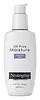 Key Ingredients
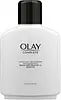
No key ingredients
Benefits
Concerns
Ingredients Side-by-side
Water
Skin ConditioningGlycerin
Humectant


Ethylhexyl Palmitate
Emollient


Dimethicone
Emollient
Petrolatum
Emollient
Cyclomethicone
Emollient
Glycine Soja Sterols
Emollient
Isopropyl Isostearate
Emollient
Cetyl Alcohol
Emollient

PEG-10 Soy Sterol
EmulsifyingGlyceryl Stearate
Emollient
PEG-100 Stearate
Surfactant
C12-15 Alkyl Benzoate
AntimicrobialCarbomer
Emulsion StabilisingTetrasodium EDTA
Sodium Hydroxide
BufferingDiazolidinyl Urea
Preservative


Ethylparaben
Preservative

Methylparaben
Preservative
Propylparaben
Preservative
Water, Glycerin, Ethylhexyl Palmitate, Dimethicone, Petrolatum, Cyclomethicone, Glycine Soja Sterols, Isopropyl Isostearate, Cetyl Alcohol, PEG-10 Soy Sterol, Glyceryl Stearate, PEG-100 Stearate, C12-15 Alkyl Benzoate, Carbomer, Tetrasodium EDTA, Sodium Hydroxide, Diazolidinyl Urea, Ethylparaben, Methylparaben, Propylparaben
Ethylhexyl Methoxycinnamate 6%
UV Absorber
Zinc Oxide
Cosmetic Colorant
Water
Skin ConditioningGlycerin
Humectant
Isohexadecane
EmollientAloe Barbadensis Leaf Extract
Emollient

Tocopheryl Acetate
Antioxidant


Steareth-21
CleansingCyclopentasiloxane
Emollient
Polyacrylamide
Stearyl Alcohol
Emollient
C13-14 Isoparaffin
Emollient
Behenyl Alcohol
Emollient
DMDM Hydantoin
Preservative
Cetyl Alcohol
Emollient
PEG/PPG-20/20 Dimethicone
Emulsifying
Laureth-7
EmulsifyingSteareth-2
EmulsifyingDisodium EDTA
Triethoxycaprylylsilane
Oleth-3 Phosphate
SurfactantBHT
Antioxidant
Iodopropynyl Butylcarbamate
Preservative
Ethylhexyl Methoxycinnamate 6%, Zinc Oxide, Water, Glycerin, Isohexadecane, Aloe Barbadensis Leaf Extract, Tocopheryl Acetate, Steareth-21, Cyclopentasiloxane, Polyacrylamide, Stearyl Alcohol, C13-14 Isoparaffin, Behenyl Alcohol, DMDM Hydantoin, Cetyl Alcohol, PEG/PPG-20/20 Dimethicone, Laureth-7, Steareth-2, Disodium EDTA, Triethoxycaprylylsilane, Oleth-3 Phosphate, BHT, Iodopropynyl Butylcarbamate
Reviews
Ingredients Explained
These ingredients are found in both products.
Ingredients higher up in an ingredient list are typically present in a larger amount.
Cetyl Alcohol is a fatty alcohol. Fatty Alcohols are most often used as an emollient or to thicken a product.
Its main roles are:
Though it has "alcohol" in the name, it is not related to denatured alcohol or ethyl alcohol.
The FDA allows products labeled "alcohol-free" to have fatty alcohols.
This ingredient may not be fungal acne safe. It is a primary fatty alcohol with a chain length above 12 carbons. A study from 2019 show Malassezia can feed on fatty alcohols in this range, so it may trigger fungal acne in those prone to it.
Learn more about Cetyl AlcoholGlycerin (or glycerol) is a compound naturally found in your skin. It's a powerhouse humectant that pulls water into the stratum corneum.
Topically, glycerin does several things at once:
Your skin makes glycerin on its own (mostly from sebaceous oil breakdown) and shuttles it to your outermost layer of skin, or your epidermis, via aquaporin-3.
Aquaporin-3 is a transporter that is essential for normal skin hydration, elasticity, and repair. Interestingly, mice lacking in AQP3 have dry and less elastic skin that can be fully corrected with glycerin.
This ingredient is non-irritating, plays well with almost every ingredient, and works across all skin types. Typical use is anywhere between 3-10% but can go up to 79% in some leave-on products.
Just know very high concentrations (>40%) can feel tacky in low humidity.
Glycerin is the name for this ingredient in American English. British English uses Glycerol/Glycerine.
Learn more about GlycerinWater. It's the most common cosmetic ingredient of all. You'll usually see it at the top of ingredient lists, meaning that it makes up the largest part of the product.
So why is it so popular? Water most often acts as a solvent - this means that it helps dissolve other ingredients into the formulation.
You'll also recognize water as that liquid we all need to stay alive. If you see this, drink a glass of water. Remember to stay hydrated!
Learn more about Water
