This acne treatment is formulated around Glycolic Acid and Azelaic Acid to clear breakouts and refine skin texture.


What's inside
What's inside
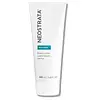 Key Ingredients
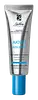
Benefits
Concerns
Ingredients Side-by-side
Ammonium Hydroxide
BufferingWater
Skin ConditioningArginine
Masking

Butylene Glycol
Humectant
C12-15 Alkyl Benzoate
AntimicrobialC13-14 Isoparaffin
Emollient
Caprylic/Capric Triglyceride
Masking
Cetearyl Alcohol
Emollient




Chlorphenesin
Antimicrobial
Dimethicone
Emollient
Disodium EDTA
Ethoxydiglycol
HumectantGluconolactone
Skin Conditioning






Glycerin
Humectant
Glyceryl Stearate
Emollient
Hydroxyethylcellulose
Emulsion StabilisingIsopropyl Palmitate
Emollient
Lactobionic Acid
Buffering
Laureth-7
EmulsifyingLimnanthes Alba Seed Oil
Skin Conditioning
Methylparaben
Preservative

Octyldodecyl Neopentanoate
EmollientPEG-100 Stearate
Surfactant
Polyacrylamide
Propylene Glycol
Humectant
Sodium Bisulfite
Antioxidant
Sodium Sulfite
Preservative
Sorbitan Stearate
Emulsifying
Tocopheryl Acetate
Antioxidant
Xanthan Gum
EmulsifyingAmmonium Hydroxide, Water, Arginine, Butylene Glycol, C12-15 Alkyl Benzoate, C13-14 Isoparaffin, Caprylic/Capric Triglyceride, Cetearyl Alcohol, Chlorphenesin, Dimethicone, Disodium EDTA, Ethoxydiglycol, Gluconolactone, Glycerin, Glyceryl Stearate, Hydroxyethylcellulose, Isopropyl Palmitate, Lactobionic Acid, Laureth-7, Limnanthes Alba Seed Oil, Methylparaben, Octyldodecyl Neopentanoate, PEG-100 Stearate, Polyacrylamide, Propylene Glycol, Sodium Bisulfite, Sodium Sulfite, Sorbitan Stearate, Tocopheryl Acetate, Xanthan Gum
Water
Skin ConditioningDipotassium Azelate
Glycolic Acid
Buffering



C12-13 Alkyl Lactate
EmollientMagnesium Aluminum Silicate
Absorbent
Succinic Acid
BufferingAcrylamide/Sodium Acryloyldimethyltaurate Copolymer
Emulsion StabilisingXanthan Gum
EmulsifyingDimethyl Isosorbide
SolventMagnesium/Aluminum/Hydroxide/Carbonate
Azelaic Acid
Buffering


Tocopheryl Acetate
Antioxidant
C13-14 Isoparaffin
Emollient
Hydroxypinacolone Retinoate
Skin Conditioning
Laureth-7
EmulsifyingTrisodium Ethylenediamine Disuccinate
Water, Dipotassium Azelate, Glycolic Acid, C12-13 Alkyl Lactate, Magnesium Aluminum Silicate, Succinic Acid, Acrylamide/Sodium Acryloyldimethyltaurate Copolymer, Xanthan Gum, Dimethyl Isosorbide, Magnesium/Aluminum/Hydroxide/Carbonate, Azelaic Acid, Tocopheryl Acetate, C13-14 Isoparaffin, Hydroxypinacolone Retinoate, Laureth-7, Trisodium Ethylenediamine Disuccinate
Reviews
Ingredients Explained
These ingredients are found in both products.
Ingredients higher up in an ingredient list are typically present in a larger amount.
C13-14 Isoparaffin is a synthetic emollient, solvent, and thickening agent. It helps soften skin and improves spreadability without leaving a greasy residue.
This ingredient has been found to be non-sensitizing and safe for use in cosmetics.
Two things floating around online that cause fear-mongering:
There's one scary-sounding study related to kidney tumors in male rats; this depends on a protein called alpha-2u-globulin that binds the ingredient and clogs up kidney cells. Female rats barely make this protein, and humans don't make it at all so this effect cannot happen to us. Regulatory bodies have states this rat-only pathway shouldn't be used to judge human risk.
The other thing you'll see is 1,4-dioxane being a trace byproduct that can form during manufacturing of petroleum-derived ingredients. This is a real, but heavily managed/monitored issue. This byproduct is removed through purification steps before the ingredients goes into the formula. Regulatory bodies also actively monitor residual levels for safety.
One last thing to note: this ingredient is a pure hydrocarbon with no fatty-acid or ester chains for Malassezia to feed on, so it's considered fungal acne safe.
Learn more about C13-14 IsoparaffinLaureth-7 is created by the ethoxylation of lauryl alcohol using ethylene oxide. Lauryl alcohol is a fatty alcohol with hydrating properties.
This ingredient is an emulsifier and cleansing ingredient. As an emulsifier, it is used to prevent ingredients from separating. It also helps cleanse the skin by gathering dirt, oil, and pollutants to be rinsed away.
Tocopheryl Acetate is a stable, shelf-friendly form of vitamin E.
Formulators love it because plain vitamin E oxidizes quickly once it hits air. This acetate version stays stable and resists going off, helping to extend a product's shelf life.
It's actually inactive on its own and works like a slow-release "storage" form; the enzymes in your skin called esterases gradually convert it into active vitamin E over time.
One in vivo study showed 5% of the acetate in the living layer of the epidermis converted to vitamin E after 5 days of application. This study also found the skin gained protection against UV damage even though the conversion was slow and small.
Once converted, vitamin E acts as a skin's main fat-soluble antioxidant that fights free radicals to protect skin from damage.
Topical vitamin E generally boosts the skin's photoprotection, and it reduced UV-damage in animal models.
This ingredient has some brightening potential but it's more of a prevention ingredient than spot-fader. Cell studies show it can slow down melanin production but it's worth noting that it's not the most powerful brightener out there.
Overall, it has a pretty solid safety profile and has been found to be non-irritating and non-comedogenic. Allergic reactions may happen but stay rare due to how widely the ingredient gets used.
The concentration will vary depending on the formula; industry data shows 0.1% in baby lotions, 3% in lipsticks, and 5% in foot powders. You can also find this ingredient at 100% in a pure vitamin E oil.
Most leave-on skincare keeps it at the lower end, often between 0.5-1%.
Learn more about Tocopheryl AcetateWater. It's the most common cosmetic ingredient of all. You'll usually see it at the top of ingredient lists, meaning that it makes up the largest part of the product.
So why is it so popular? Water most often acts as a solvent - this means that it helps dissolve other ingredients into the formulation.
You'll also recognize water as that liquid we all need to stay alive. If you see this, drink a glass of water. Remember to stay hydrated!
Learn more about WaterXanthan gum is used as a stabilizer and thickener within cosmetic products. It helps give products a sticky, thick feeling - preventing them from being too runny.
On the technical side of things, xanthan gum is a polysaccharide - a combination consisting of multiple sugar molecules bonded together.
Xanthan gum is a pretty common and great ingredient. It is a natural, non-toxic, non-irritating ingredient that is also commonly used in food products.
Learn more about Xanthan Gum

