NeoStrata Redness Neutralizing Serum Versus Medik8 C-Tetra® Luxe Lipid Vitamin C Enhanced Radiance Serum
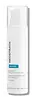
This calming serum is formulated around Gluconolactone and Lactobionic Acid to calm redness and refine skin texture.
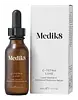
This brightening serum is formulated around Tetrahexyldecyl Ascorbate and Squalane to brighten dull-looking skin and fade the look of dark spots.


What's inside
What's inside
 Key Ingredients
Benefits
Concerns
Ingredients Side-by-side
Water
Skin ConditioningButylene Glycol
Humectant

Gluconolactone
Chelating







Isocetyl Stearate
Emollient




Hydrogenated Polydecene
EmollientArginine
Masking
Glyceryl Stearate
Emollient
Cetearyl Alcohol
Emollient

PEG-100 Stearate
Surfactant
Lactobionic Acid
Buffering
Dimethicone
Emollient
Magnesium Aluminum Silicate
Absorbent
Aesculus Hippocastanum Seed Extract
Skin ConditioningAscophyllum Nodosum Extract
Skin Conditioning
Tocopheryl Acetate
Antioxidant

Palmitoyl Tripeptide-8
Skin Conditioning


Asparagopsis Armata Extract
Skin Protecting
Camellia Sinensis Leaf Extract
Antimicrobial
Epilobium Angustifolium Flower/Leaf/Stem Extract
Skin ConditioningAmmonium Glycyrrhizate
MaskingCaffeine
Skin Conditioning
Bisabolol
Antioxidant
Zinc Gluconate
Skin Conditioning
Sorbitol
Humectant
Mannitol
Humectant
Ammonium Hydroxide
BufferingPropylene Glycol
Humectant
Dextran
Disodium EDTA
ChelatingXanthan Gum
EmulsifyingCaprylyl Glycol
Emollient
Isopropyl Titanium Triisostearate
Emollient
Phenoxyethanol
Preservative
Chlorphenesin
Antimicrobial
CI 77288
Cosmetic ColorantWater, Butylene Glycol, Gluconolactone, Isocetyl Stearate, Hydrogenated Polydecene, Arginine, Glyceryl Stearate, Cetearyl Alcohol, PEG-100 Stearate, Lactobionic Acid, Dimethicone, Magnesium Aluminum Silicate, Aesculus Hippocastanum Seed Extract, Ascophyllum Nodosum Extract, Tocopheryl Acetate, Palmitoyl Tripeptide-8, Asparagopsis Armata Extract, Camellia Sinensis Leaf Extract, Epilobium Angustifolium Flower/Leaf/Stem Extract, Ammonium Glycyrrhizate, Caffeine, Bisabolol, Zinc Gluconate, Sorbitol, Mannitol, Ammonium Hydroxide, Propylene Glycol, Dextran, Disodium EDTA, Xanthan Gum, Caprylyl Glycol, Isopropyl Titanium Triisostearate, Phenoxyethanol, Chlorphenesin, CI 77288
Squalane
Emollient
Simmondsia Chinensis Seed Oil
Emollient
Tetrahexyldecyl Ascorbate
Antioxidant
Dimethicone
Emollient
Candida Bombicola/Glucose/Methyl Rapeseedate Ferment
AntimicrobialCitrus Grandis Peel Oil
Masking



Ethyl Linoleate
Emollient
Passiflora Edulis Seed Oil
Emollient
Tocopheryl Acetate
Antioxidant
Helianthus Annuus Seed Oil
Emollient
Olea Europaea Fruit Oil
Masking
Panax Ginseng Root Oil
Skin Conditioning
Prunus Amygdalus Dulcis Oil
Skin Conditioning
Prunus Armeniaca Kernel Oil
Masking
PPG-12/Smdi Copolymer
EmollientLimonene
Perfuming
Citral
Perfuming
Linalool
Perfuming
Geraniol
Perfuming
Squalane, Simmondsia Chinensis Seed Oil, Tetrahexyldecyl Ascorbate, Dimethicone, Candida Bombicola/Glucose/Methyl Rapeseedate Ferment, Citrus Grandis Peel Oil, Ethyl Linoleate, Passiflora Edulis Seed Oil, Tocopheryl Acetate, Helianthus Annuus Seed Oil, Olea Europaea Fruit Oil, Panax Ginseng Root Oil, Prunus Amygdalus Dulcis Oil, Prunus Armeniaca Kernel Oil, PPG-12/Smdi Copolymer, Limonene, Citral, Linalool, Geraniol
Reviews
Ingredients Explained
These ingredients are found in both products.
Ingredients higher up in an ingredient list are typically present in a larger amount.
Dimethicone is a type of synthetic silicone created from natural materials such as quartz. It is also known as polydimethylsiloxane.
What it does:
Dimethicone comes in different viscosities:
Depending on the viscosity, dimethicone has different properties.
Ingredients lists don't always show which type is used, so we recommend reaching out to the brand if you have questions about the viscosity.
This ingredient is unlikely to cause irritation because it does not get absorbed into skin. However, people with silicone allergies should be careful about using this ingredient.
Note: Dimethicone may contribute to pilling. This is because it is not oil or water soluble, so pilling may occur when layered with products. When mixed with heavy oils in a formula, the outcome is also quite greasy.
Learn more about DimethiconeTocopheryl Acetate is a stable, shelf-friendly form of vitamin E.
Formulators love it because plain vitamin E oxidizes quickly once it hits air. This acetate version stays stable and resists going off, helping to extend a product's shelf life.
It's actually inactive on its own and works like a slow-release "storage" form; the enzymes in your skin called esterases gradually convert it into active vitamin E over time.
One in vivo study showed 5% of the acetate in the living layer of the epidermis converted to vitamin E after 5 days of application. This study also found the skin gained protection against UV damage even though the conversion was slow and small.
Once converted, vitamin E acts as a skin's main fat-soluble antioxidant that fights free radicals to protect skin from damage.
Topical vitamin E generally boosts the skin's photoprotection, and it reduced UV-damage in animal models.
This ingredient has some brightening potential but it's more of a prevention ingredient than spot-fader. Cell studies show it can slow down melanin production but it's worth noting that it's not the most powerful brightener out there.
Overall, it has a pretty solid safety profile and has been found to be non-irritating and non-comedogenic. Allergic reactions may happen but stay rare due to how widely the ingredient gets used.
The concentration will vary depending on the formula; industry data shows 0.1% in baby lotions, 3% in lipsticks, and 5% in foot powders. You can also find this ingredient at 100% in a pure vitamin E oil.
Most leave-on skincare keeps it at the lower end, often between 0.5-1%.
Learn more about Tocopheryl Acetate

