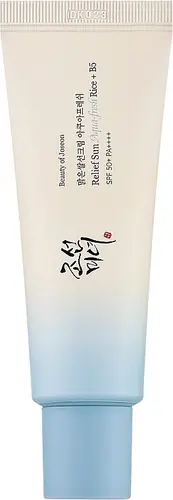
This chemical sunscreen covers the full UV range and blocks ~98% of UVB at SPF 50.
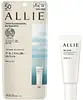
This hybrid sunscreen covers the full UV range and blocks ~98% of UVB at SPF 50.

What's inside
What's inside
 Key Ingredients
Benefits
Concerns
Ingredients Side-by-side
Water
Skin ConditioningButylene Glycol
Humectant

Ethylhexyl Methoxycinnamate
UV Absorber


Dimethicone
Emollient

Sodium Acrylates Crosspolymer-2
AbsorbentSilica
Abrasive


Bis-Ethylhexyloxyphenol Methoxyphenyl Triazine
Skin Conditioning
Diethylamino Hydroxybenzoyl Hexyl Benzoate
UV Filter
Glyceryl Ethylhexanoate/Stearate/Adipate
EmollientCentella Asiatica Extract
Cleansing



Houttuynia Cordata Extract
Skin Conditioning
Tabebuia Impetiginosa Bark Extract
Skin ConditioningOctocrylene
UV Absorber
Behenyl Alcohol
Emollient
Vp/Eicosene Copolymer
Neopentyl Glycol Diethylhexanoate
Emollient
Potassium Cetyl Phosphate
EmulsifyingCarbomer
Emulsion StabilisingPotassium Hydroxide
BufferingHydroxypropyl Cyclodextrin
MaskingParfum
Masking


Ethylhexylglycerin
Skin ConditioningPhenoxyethanol
Preservative
Iodopropynyl Butylcarbamate
Preservative
Water, Butylene Glycol, Ethylhexyl Methoxycinnamate, Dimethicone, Sodium Acrylates Crosspolymer-2, Silica, Bis-Ethylhexyloxyphenol Methoxyphenyl Triazine, Diethylamino Hydroxybenzoyl Hexyl Benzoate, Glyceryl Ethylhexanoate/Stearate/Adipate, Centella Asiatica Extract, Houttuynia Cordata Extract, Tabebuia Impetiginosa Bark Extract, Octocrylene, Behenyl Alcohol, Vp/Eicosene Copolymer, Neopentyl Glycol Diethylhexanoate, Potassium Cetyl Phosphate, Carbomer, Potassium Hydroxide, Hydroxypropyl Cyclodextrin, Parfum, Ethylhexylglycerin, Phenoxyethanol, Iodopropynyl Butylcarbamate
Water
Skin ConditioningZinc Oxide
Cosmetic Colorant
Alcohol
Antimicrobial

Diisopropyl Sebacate
EmollientDicaprylyl Carbonate
EmollientEthylhexyl Triazone
UV Absorber
Glycerin
Humectant
C12-15 Alkyl Benzoate
AntimicrobialDimethicone
Emollient
Drometrizole Trisiloxane
UV Absorber
Sodium Acrylate/Sodium Acryloyldimethyl Taurate Copolymer
Emulsion StabilisingBis-Ethylhexyloxyphenol Methoxyphenyl Triazine
Skin Conditioning
Butylene Glycol
Humectant
Isohexadecane
EmollientTriethoxycaprylylsilane
Poly C10-30 Alkyl Acrylate
Emulsion StabilisingAcrylates/Polytrimethylsiloxymethacrylate Copolymer
Skin ConditioningPEG-400
Emulsion StabilisingPolysorbate 80
Emulsifying
C30-45 Alkyl Methicone
Emollient
Xanthan Gum
EmulsifyingC30-45 Olefin
Skin ConditioningSorbitan Oleate
Emulsifying
Polysilicone-9
Disodium EDTA
Sodium Hyaluronate
Humectant
Water, Zinc Oxide, Alcohol, Diisopropyl Sebacate, Dicaprylyl Carbonate, Ethylhexyl Triazone, Glycerin, C12-15 Alkyl Benzoate, Dimethicone, Drometrizole Trisiloxane, Sodium Acrylate/Sodium Acryloyldimethyl Taurate Copolymer, Bis-Ethylhexyloxyphenol Methoxyphenyl Triazine, Butylene Glycol, Isohexadecane, Triethoxycaprylylsilane, Poly C10-30 Alkyl Acrylate, Acrylates/Polytrimethylsiloxymethacrylate Copolymer, PEG-400, Polysorbate 80, C30-45 Alkyl Methicone, Xanthan Gum, C30-45 Olefin, Sorbitan Oleate, Polysilicone-9, Disodium EDTA, Sodium Hyaluronate
Reviews
Ingredients Explained
These ingredients are found in both products.
Ingredients higher up in an ingredient list are typically present in a larger amount.
This ingredient is better known as bemotrizinol or Tinosorb S and is one of the best broad-spectrum UV filters in modern sunscreen.
It works by absorbing UV light across a whole range (280-400 nm) with peaks around 310 nm (UVB) and 340-345 nm (UVA). This means it covers UVB plus the deeper UVA wavelengths that drive photoaging and pigmentation.
Another pro?
It's exceptionally photostable, barely degrades in sunlight, and acts as a "bodyguard" for less stable filters.
That's why you'll see it paired with avobenzone or octinoxate; this team up ensures they keep working through sun exposure.
Safety reviews have been reassuring across the board. This ingredient shows low absorption through the skin, rarely irritates, and lab studies found it doesn't act like a hormone in the body (a concern that's been raised about some older sunscreen filters).
On maximum concentrations:
In 2026, the US F.D.A finally added it as an OTC sunscreen ingredient at concentrations up to 6% for adults / children 6 months and older
Learn more about Bis-Ethylhexyloxyphenol Methoxyphenyl TriazineButylene Glycol (or BG) is used within cosmetic products for a few different reasons:
Overall, Butylene Glycol is a safe and well-rounded ingredient that works well with other ingredients.
Though this ingredient works well with most skin types, some people with sensitive skin may experience a reaction such as allergic rashes, closed comedones, or itchiness.
Learn more about Butylene GlycolDimethicone is a type of synthetic silicone created from natural materials such as quartz. It is also known as polydimethylsiloxane.
What it does:
Dimethicone comes in different viscosities:
Depending on the viscosity, dimethicone has different properties.
Ingredients lists don't always show which type is used, so we recommend reaching out to the brand if you have questions about the viscosity.
This ingredient is unlikely to cause irritation because it does not get absorbed into skin. However, people with silicone allergies should be careful about using this ingredient.
Note: Dimethicone may contribute to pilling. This is because it is not oil or water soluble, so pilling may occur when layered with products. When mixed with heavy oils in a formula, the outcome is also quite greasy.
Learn more about DimethiconeWater. It's the most common cosmetic ingredient of all. You'll usually see it at the top of ingredient lists, meaning that it makes up the largest part of the product.
So why is it so popular? Water most often acts as a solvent - this means that it helps dissolve other ingredients into the formulation.
You'll also recognize water as that liquid we all need to stay alive. If you see this, drink a glass of water. Remember to stay hydrated!
Learn more about Water