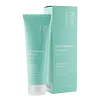
This oil-control moisturizer is formulated around Niacinamide and Panthenol to balance excess oil and refine the look of pores.
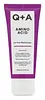
This oil-control moisturizer is formulated around Aloe Barbadensis Leaf Juice and Niacinamide to balance excess oil and hydrate skin.


What's inside
What's inside
 Key Ingredients
Benefits
Concerns
No concerns
Ingredients Side-by-side
Water
Skin ConditioningPropanediol
Solvent

Glycerin
Humectant
Niacinamide
Smoothing









Propylheptyl Caprylate
EmollientPanthenol
Skin Conditioning
Ethyl Oleate
Emollient



Butylene Glycol
Humectant
Hydrolyzed Yeast Extract
Skin ConditioningLactitol
HumectantXylitol
Humectant
Sodium Polyacrylate
Absorbent
Betaine
Humectant
Enantia Chlorantha Bark Extract
Skin ConditioningHyaluronic Acid
Humectant
Sodium Hyaluronate
Humectant
Hydrolyzed Hyaluronic Acid
Humectant
Sodium Hyaluronate Crosspolymer
Humectant
Allantoin
Skin Conditioning
Lecithin
Emollient
Tocopherol
Antioxidant

Tocopheryl Acetate
Antioxidant
Hydrolyzed Glycosaminoglycans
HumectantTetrasodium Glutamate Diacetate
ChelatingCetyl Hydroxyethylcellulose
Emulsion StabilisingEthylhexylglycerin
Skin ConditioningLactic Acid
Buffering


Oleanolic Acid
Skin ConditioningPolyglucuronic Acid
Skin ConditioningParfum
Masking
Raspberry Ketone
Masking
Benzyl Glycol
SolventSodium Hydroxide
BufferingSodium Benzoate
Masking
Potassium Sorbate
Preservative
Phenoxyethanol
Preservative
Water, Propanediol, Glycerin, Niacinamide, Propylheptyl Caprylate, Panthenol, Ethyl Oleate, Butylene Glycol, Hydrolyzed Yeast Extract, Lactitol, Xylitol, Sodium Polyacrylate, Betaine, Enantia Chlorantha Bark Extract, Hyaluronic Acid, Sodium Hyaluronate, Hydrolyzed Hyaluronic Acid, Sodium Hyaluronate Crosspolymer, Allantoin, Lecithin, Tocopherol, Tocopheryl Acetate, Hydrolyzed Glycosaminoglycans, Tetrasodium Glutamate Diacetate, Cetyl Hydroxyethylcellulose, Ethylhexylglycerin, Lactic Acid, Oleanolic Acid, Polyglucuronic Acid, Parfum, Raspberry Ketone, Benzyl Glycol, Sodium Hydroxide, Sodium Benzoate, Potassium Sorbate, Phenoxyethanol
Aloe Barbadensis Leaf Juice
Skin Conditioning
Water
Skin ConditioningDicaprylyl Carbonate
EmollientPropanediol
Solvent
Glycerin
Humectant
Niacinamide
Smoothing
Saccharide Isomerate
Humectant
Arginine
Masking
Camellia Sinensis Leaf Water
Masking
Allantoin
Skin Conditioning
Betaine
Humectant
Lonicera Caprifolium Flower Extract
Perfuming
Lonicera Japonica Flower Extract
Skin ConditioningCaprylyl Glycol
Emollient
Acrylates/C10-30 Alkyl Acrylate Crosspolymer
Emulsion StabilisingSodium Gluconate
ChelatingPhenethyl Alcohol
MaskingSodium Hydroxide
BufferingAloe Barbadensis Leaf Juice, Water, Dicaprylyl Carbonate, Propanediol, Glycerin, Niacinamide, Saccharide Isomerate, Arginine, Camellia Sinensis Leaf Water, Allantoin, Betaine, Lonicera Caprifolium Flower Extract, Lonicera Japonica Flower Extract, Caprylyl Glycol, Acrylates/C10-30 Alkyl Acrylate Crosspolymer, Sodium Gluconate, Phenethyl Alcohol, Sodium Hydroxide
Reviews
Ingredients Explained
These ingredients are found in both products.
Ingredients higher up in an ingredient list are typically present in a larger amount.
Allantoin is a soothing ingredient known for its protective and moisturizing properties; it's basically a quiet workhorse ingredient you can find in a huge range of cosmetics.
Though it can be derived from the comfrey plant, allantoin is produced synthetically for cosmetic products to ensure purity.
Research shows it can encourage your skin cells to turn over and renew by stimulating keratinocyte and fibroblast proliferation.
It also has mild keratolytic properties to help loosen and shed dead skin cells without being harsh.
Studies also suggest allantoin can help calm inflammation by dialing down some of the chemical signals your skin sends out when it is irritated.
This ingredient is typically used in the 0.1-0.5% range, and the FDA recognizes it as a skin protectant in OTC products up to 2%.
Overall, allantoin is a wonderful addition to most routines; it is stable across a wide pH range (~4-8), works well with other ingredients, and is considered non-sensitizing/non-irritating.
Fun fact: Allantoin is naturally occurring in comfrey root, beets, chamomile, and wheat sprouts. Our bodies even produce it as a byproduct of uric acid metabolism.
Learn more about AllantoinBetaine is a humectant. Like hyaluronic acid, it helps attract and retain moisture in the skin. It’s known for being gentle and for helping the skin maintain balanced hydration.
Betaine is mainly used to improve hydration and support calmer skin. It helps skin cells regulate water balance because it functions as an osmolyte.
Some studies suggest betaine may support making skin tone more even.
Fun fact: Betaine naturally exists in the skin and the body. In cosmetic products, it can be either plant-derived (most commonly from sugar beets) or synthetically produced for consistency and stability.
Betaine is also known as trimethylglycine.
Learn more about BetaineGlycerin (or glycerol) is a compound naturally found in your skin. It's a powerhouse humectant that pulls water into the stratum corneum.
Topically, glycerin does several things at once:
Your skin makes glycerin on its own (mostly from sebaceous oil breakdown) and shuttles it to your outermost layer of skin, or your epidermis, via aquaporin-3.
Aquaporin-3 is a transporter that is essential for normal skin hydration, elasticity, and repair. Interestingly, mice lacking in AQP3 have dry and less elastic skin that can be fully corrected with glycerin.
This ingredient is non-irritating, plays well with almost every ingredient, and works across all skin types. Typical use is anywhere between 3-10% but can go up to 79% in some leave-on products.
Just know very high concentrations (>40%) can feel tacky in low humidity.
Glycerin is the name for this ingredient in American English. British English uses Glycerol/Glycerine.
Learn more about GlycerinNiacinamide is a multitasking form of vitamin B3 that strengthens the skin barrier, reduces pores and dark spots, regulates oil, and improves signs of aging.
And the best part? It's gentle and well-tolerated by most skin types, including sensitive and reactive skin.
You might have heard of "niacin flush", or the reddening of skin that causes itchiness. Niacinamide has not been found to cause this.
In very rare cases, some individuals may not be able to tolerate niacinamide at all or experience an allergic reaction to it.
If you are experiencing flaking, irritation, and dryness with this ingredient, be sure to double check all your products as this ingredient can be found in all categories of skincare.
When incorporating niacinamide into your routine, look out for concentration amounts. Typically, 5% niacinamide provides benefits such as fading dark spots. However, if you have sensitive skin, it is better to begin with a smaller concentration.
When you apply niacinamide to your skin, your body converts it into nicotinamide adenine dinucleotide (NAD). NAD is an essential coenzyme that is already found in your cells as "fuel" and powers countless biological processes.
In your skin, NAD helps repair cell damage, produce new healthy cells, support collagen production, strengthen the skin barrier, and fight environmental stressors (like UV and pollution).
Our natural NAD levels start to decline with age, leading to slower skin repair, visible aging, and a weaker skin barrier. By providing your skin niacinamide, you're recharging your skin's NAD levels. This leads to stronger, healthier, and younger looking skin.
Another name for vitamin B3 is nicotinamide. This vitamin is water-soluble and our bodies don't store it. We obtain Vitamin B3 from either food or skincare. Meat, fish, wheat, yeast, and leafy greens contain vitamin B3.
The type of niacinamide used in skincare is synthetically created.
Learn more about NiacinamidePropanediol is an all-star ingredient. It softens, hydrates, and smooths the skin.
It’s often used to:
Propanediol is not likely to cause sensitivity and considered safe to use. It is derived from corn or petroleum with a clear color and no scent.
Learn more about PropanediolSodium Hydroxide is also known as lye or caustic soda. It is used to adjust the pH of products; many ingredients require a specific pH to be effective.
In small amounts, sodium hydroxide is considered safe to use. However, large amounts may cause chemical burns due to its high alkaline.
Your skin has a natural pH and acid mantle. This acid mantle helps prevent harmful bacteria from breaking through. The acid mantle also helps keep your skin hydrated.
"Alkaline" refers to a high pH level. A low pH level would be considered acidic.
Learn more about Sodium HydroxideWater. It's the most common cosmetic ingredient of all. You'll usually see it at the top of ingredient lists, meaning that it makes up the largest part of the product.
So why is it so popular? Water most often acts as a solvent - this means that it helps dissolve other ingredients into the formulation.
You'll also recognize water as that liquid we all need to stay alive. If you see this, drink a glass of water. Remember to stay hydrated!
Learn more about Water

