Mizon Joyful Time Essence Mask Versus Andalou Naturals 1000 Roses Instant Soothe & Smooth Sheet Mask
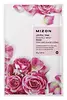
This hydrating sheet mask is formulated around Allantoin to hydrate skin and calm redness.
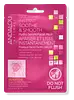
This calming sheet mask is formulated around Aloe Barbadensis Leaf Juice and Lactobacillus Ferment to calm redness and hydrate skin.


What's inside
What's inside
 Key Ingredients
Benefits
Concerns
Ingredients Side-by-side
Water
Skin ConditioningGlycerin
Humectant


Methylpropanediol
SolventBetaine
Humectant
1,2-Hexanediol
Skin Conditioning
Hydroxyacetophenone
Antioxidant
Xanthan Gum
EmulsifyingPEG-60 Hydrogenated Castor Oil
Emulsifying


Allantoin
Skin Conditioning
Rosa Centifolia Flower Water
Skin ConditioningSodium Citrate
BufferingDisodium EDTA
ChelatingCitric Acid
Buffering

Parfum
Masking



Butylene Glycol
Humectant
Sodium Hyaluronate
Humectant

Geraniol
Perfuming
Phenoxyethanol
Preservative
Houttuynia Cordata Extract
Skin Conditioning
Centella Asiatica Extract
Cleansing
Hydrolyzed Collagen
Emollient
Water, Glycerin, Methylpropanediol, Betaine, 1,2-Hexanediol, Hydroxyacetophenone, Xanthan Gum, PEG-60 Hydrogenated Castor Oil, Allantoin, Rosa Centifolia Flower Water, Sodium Citrate, Disodium EDTA, Citric Acid, Parfum, Butylene Glycol, Sodium Hyaluronate, Geraniol, Phenoxyethanol, Houttuynia Cordata Extract, Centella Asiatica Extract, Hydrolyzed Collagen
Water
Skin ConditioningAloe Barbadensis Leaf Juice
Skin Conditioning
Lactobacillus Ferment
Skin Conditioning
Rhododendron Ferrugineum Leaf Cell Culture Extract
Skin ConditioningCocos Nucifera Fruit Extract
Emollient

Malus Domestica Fruit Cell Culture Extract
Skin ConditioningPunica Granatum Fruit Extract
Antioxidant
Rosa Centifolia Flower Extract
Astringent
Euterpe Oleracea Fruit Extract
Aronia Arbutifolia Fruit Extract
Skin ConditioningLycium Barbarum Fruit Extract
Astringent
Camellia Sinensis Leaf Extract
Antimicrobial

Rosa Centifolia Flower Water
Skin ConditioningRosa Canina Fruit Oil
Emollient
Glycerin
Humectant
Lactobacillus
Skin ConditioningXanthan Gum
EmulsifyingBisabolol
Antioxidant
Allantoin
Skin Conditioning
Sodium Hyaluronate
Humectant
Tocopherol
Antioxidant
Sodium Gluconate
ChelatingPolyglyceryl-10 Laurate
Skin Conditioning
Isomalt
HumectantLecithin
Emollient
Butylene Glycol
Humectant
Lactic Acid
Buffering
Citric Acid
Buffering
Sodium Benzoate
Masking
Potassium Sorbate
Preservative
Parfum
Masking
Citronellol
Perfuming
Linalool
Perfuming
Geraniol
Perfuming
Limonene
Perfuming
Eugenol
Perfuming
Water, Aloe Barbadensis Leaf Juice, Lactobacillus Ferment, Rhododendron Ferrugineum Leaf Cell Culture Extract, Cocos Nucifera Fruit Extract, Malus Domestica Fruit Cell Culture Extract, Punica Granatum Fruit Extract, Rosa Centifolia Flower Extract, Euterpe Oleracea Fruit Extract, Aronia Arbutifolia Fruit Extract, Lycium Barbarum Fruit Extract, Camellia Sinensis Leaf Extract, Rosa Centifolia Flower Water, Rosa Canina Fruit Oil, Glycerin, Lactobacillus, Xanthan Gum, Bisabolol, Allantoin, Sodium Hyaluronate, Tocopherol, Sodium Gluconate, Polyglyceryl-10 Laurate, Isomalt, Lecithin, Butylene Glycol, Lactic Acid, Citric Acid, Sodium Benzoate, Potassium Sorbate, Parfum, Citronellol, Linalool, Geraniol, Limonene, Eugenol
Reviews
Ingredients Explained
These ingredients are found in both products.
Ingredients higher up in an ingredient list are typically present in a larger amount.
Allantoin is a soothing ingredient known for its protective and moisturizing properties; it's basically a quiet workhorse ingredient you can find in a huge range of cosmetics.
Though it can be derived from the comfrey plant, allantoin is produced synthetically for cosmetic products to ensure purity.
Research shows it can encourage your skin cells to turn over and renew by stimulating keratinocyte and fibroblast proliferation.
It also has mild keratolytic properties to help loosen and shed dead skin cells without being harsh.
Studies also suggest allantoin can help calm inflammation by dialing down some of the chemical signals your skin sends out when it is irritated.
This ingredient is typically used in the 0.1-0.5% range, and the FDA recognizes it as a skin protectant in OTC products up to 2%.
Overall, allantoin is a wonderful addition to most routines; it is stable across a wide pH range (~4-8), works well with other ingredients, and is considered non-sensitizing/non-irritating.
Fun fact: Allantoin is naturally occurring in comfrey root, beets, chamomile, and wheat sprouts. Our bodies even produce it as a byproduct of uric acid metabolism.
Learn more about AllantoinButylene Glycol (or BG) is used within cosmetic products for a few different reasons:
Overall, Butylene Glycol is a safe and well-rounded ingredient that works well with other ingredients.
Though this ingredient works well with most skin types, some people with sensitive skin may experience a reaction such as allergic rashes, closed comedones, or itchiness.
Learn more about Butylene GlycolCitric Acid is an alpha hydroxy acid (AHA) naturally found in citrus fruits like oranges, lemons, and limes.
Like other AHAs, citric acid can exfoliate skin by breaking down the bonds that hold dead skin cells together. This helps reveal smoother and brighter skin underneath.
However, this exfoliating effect only happens at high concentrations (20%) which can be hard to find in cosmetic products.
Due to this, citric acid is usually included in small amounts as a pH adjuster. This helps keep products slightly more acidic and compatible with skin's natural pH.
In skincare formulas, citric acid can:
While it can provide some skin benefits, research shows lactic acid and glycolic acid are generally more effective and less irritating exfoliants.
Most citric acid used in skincare today is made by fermenting sugars (usually from molasses). This synthetic version is identical to the natural citrus form but easier to stabilize and use in formulations.
Rosacea skin has a lower threshold for acids generally, with 62.5% of rosacea subjects in one study reacting to lactic acid in a sting test. This is why we mark citric acid as a potential rosacea trigger.
However, this ingredient shows up as a pH adjuster or chelator at roughly 0.1-1% in many products. These low levels are unlikely to be an issue for rosacea skin and becomes a potential trigger at exfoliating concentrations (20%). Because everybody's skin is unique, we recommend a patch test if you are unsure.
Learn more about Citric AcidGeraniol is used to add fragrance/parfum to a product. It is the main component of citronellol. It is a monoterpenoid and an alcohol.
Monoterpenes are naturally found in many parts of different plants.
Geraniol can be found in many essential oils including Rose Oil and Citronella Oil. The scent of Geraniol is often described as "rose-like". Many foods also contain Geraniol for fruit flavoring.
Geraniol can irritate the skin when exposed to air. However, irritation depends on the ability of geraniol to penetrate into the skin. In general, geraniol is not able to penetrate skin easily.
Geraniol is colorless and has low water-solubility. However, it is soluble in common organic solvents.
Like citronellol, it is a natural insect repellent.
2,6-Octadien-1-ol, 3,7-dimethyl-, (2E)-
Learn more about GeraniolGlycerin (or glycerol) is a compound naturally found in your skin. It's a powerhouse humectant that pulls water into the stratum corneum.
Topically, glycerin does several things at once:
Your skin makes glycerin on its own (mostly from sebaceous oil breakdown) and shuttles it to your outermost layer of skin, or your epidermis, via aquaporin-3.
Aquaporin-3 is a transporter that is essential for normal skin hydration, elasticity, and repair. Interestingly, mice lacking in AQP3 have dry and less elastic skin that can be fully corrected with glycerin.
This ingredient is non-irritating, plays well with almost every ingredient, and works across all skin types. Typical use is anywhere between 3-10% but can go up to 79% in some leave-on products.
Just know very high concentrations (>40%) can feel tacky in low humidity.
Glycerin is the name for this ingredient in American English. British English uses Glycerol/Glycerine.
Learn more about GlycerinParfum is a catch-all term for an ingredient or more that is used to give a scent to products.
Also called "fragrance", this ingredient can be a blend of hundreds of chemicals or plant oils. This means every product with "fragrance" or "parfum" in the ingredients list is a different mixture.
For instance, Habanolide is a proprietary trade name for a specific aroma chemical. When used as a fragrance ingredient in cosmetics, most aroma chemicals fall under the broad labeling category of “FRAGRANCE” or “PARFUM” according to EU and US regulations.
The term 'parfum' or 'fragrance' is not regulated in many countries. In many cases, it is up to the brand to define this term.
For instance, many brands choose to label themselves as "fragrance-free" because they are not using synthetic fragrances. However, their products may still contain ingredients such as essential oils that are considered a fragrance by INCI standards.
One example is Calendula flower extract. Calendula is an essential oil that still imparts a scent or 'fragrance'.
Depending on the blend, the ingredients in the mixture can cause allergies and sensitivities on the skin. Some ingredients that are known EU allergens include linalool and citronellol.
Parfum can also be used to mask or cover an unpleasant scent.
The bottom line is: not all fragrances/parfum/ingredients are created equally. If you are worried about fragrances, we recommend taking a closer look at an ingredient. And of course, we always recommend speaking with a professional.
Learn more about ParfumRosa Centifolia Flower Water is the steam distilled water from the petals of Rosa centifolia, a rose cultivated in France, Bulgaria, and Morocco. It has skin conditioning and soothing properties due to its rich antioxidant content.
Since it's the water-soluble part of distilling rose petals, it's lighter and more dilute than rose extract or essential oil.
Research suggests it can help counteract the enzymes involved in the breakdown of collagen and elastin and have antimicrobial activity against acne-related microorganisms. A comprehensive 2025 review confirmed that Rosa centifolia extracts demonstrate anti-inflammatory, antimicrobial, and antioxidant effects.
Learn more about Rosa Centifolia Flower WaterSodium Hyaluronate is the salt form of hyaluronic acid. It is a long sugar chain that is naturally found in your skin, joints, and connective tissue that maintains hydration and elasticity.
In skincare, it works as a humectant. It pulls water from the environment and deeper layers of skin and binds it to the surface.
Interestingly, the size of the molecule affects its behavior:
Some clinical evidence links low molecular weight versions to improved wrinkle depth, elasticity, anti-inflammatory effects, and barrier repair.
Many serums use a blend of both weights so you can get surface hydration plus longer-lasting and deeper effects.
You'll typically see concentrations between 0.1-2% for this ingredient.
Learn more about Sodium HyaluronateWater. It's the most common cosmetic ingredient of all. You'll usually see it at the top of ingredient lists, meaning that it makes up the largest part of the product.
So why is it so popular? Water most often acts as a solvent - this means that it helps dissolve other ingredients into the formulation.
You'll also recognize water as that liquid we all need to stay alive. If you see this, drink a glass of water. Remember to stay hydrated!
Learn more about WaterXanthan gum is used as a stabilizer and thickener within cosmetic products. It helps give products a sticky, thick feeling - preventing them from being too runny.
On the technical side of things, xanthan gum is a polysaccharide - a combination consisting of multiple sugar molecules bonded together.
Xanthan gum is a pretty common and great ingredient. It is a natural, non-toxic, non-irritating ingredient that is also commonly used in food products.
Learn more about Xanthan Gum

