Mixsoon Premium Centella Asiatica Serum Versus Tree to Tub Niacinamide Peptide Complex Anti-Aging Serum
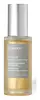
This calming serum is formulated around Centella Asiatica Extract and Niacinamide to calm redness and strengthen the skin barrier.
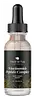
This anti-aging serum is formulated around Niacinamide and Acetyl Hexapeptide-8 to soften the look of wrinkles and refine skin texture.


What's inside
What's inside
 Key Ingredients
Benefits
Ingredients Side-by-side
Water
Skin ConditioningButylene Glycol
Humectant

Centella Asiatica Extract
Cleansing




Niacinamide
Smoothing





Panthenol
Skin Conditioning
Hydrolyzed Hyaluronic Acid
Humectant
Betaine
Humectant
Glycerin
Humectant
Tetrapeptide-4
Skin Conditioning
Adenosine
Skin Conditioning
Glycine
Buffering
Ectoin
Skin Conditioning
Madecassic Acid
Skin Conditioning
Madecassoside
Antioxidant
Asiaticoside
Antioxidant
Asiatic Acid
Skin Conditioning
Acetyl Hexapeptide-8
Humectant
Copper Tripeptide-1
Skin Conditioning
Ceramide NP
Skin Conditioning
Water
Skin ConditioningGlycerin
Humectant
Niacinamide
Smoothing
Acacia Senegal Gum
MaskingCamellia Sinensis Leaf Extract
Antimicrobial
Chamomilla Recutita Flower Extract
Masking
Ruscus Aculeatus Root Extract
Astringent
Chrysanthemum Morifolium Flower Extract
Skin ConditioningCitrus Reticulata Peel Extract
Skin ConditioningCodonopsis Lanceolata Extract
Antioxidant
Coix Lacryma-Jobi Ma-Yuen Seed Extract
Skin ConditioningDigitaria Ciliaris Flower Extract
EmollientGlycyrrhiza Glabra Root Extract
Bleaching
Nelumbo Nucifera Seed Extract
Antimicrobial
Paeonia Albiflora Flower Extract
TonicPaeonia Suffruticosa Root Extract
Skin ProtectingPolygonum Odoratum Extract
Skin ConditioningAcetyl Hexapeptide-8
Humectant
Pentapeptide-18
Skin Conditioning
Carnitine
Cleansing
Alanine
Masking
Glycine
Buffering
Histidine
Humectant
Isoleucine
Skin ConditioningPhenylalanine
Masking
Proline
Skin Conditioning
Serine
Masking
Threonine
Valine
MaskingArginine
Masking
Caffeine
Skin Conditioning
Hydrolyzed Rhizobian Gum
Xanthan Gum
EmulsifyingSodium Lactate
Buffering
PCA
Humectant
Sodium PCA
Humectant
Sodium Benzoate
Masking
Polyglutamic Acid
Skin Conditioning
Aspartic Acid
Masking
Citric Acid
Buffering

Caprylyl Glycol
Emollient
Sodium Levulinate
Skin ConditioningPotassium Sorbate
Preservative
Water, Glycerin, Niacinamide, Acacia Senegal Gum, Camellia Sinensis Leaf Extract, Chamomilla Recutita Flower Extract, Ruscus Aculeatus Root Extract, Chrysanthemum Morifolium Flower Extract, Citrus Reticulata Peel Extract, Codonopsis Lanceolata Extract, Coix Lacryma-Jobi Ma-Yuen Seed Extract, Digitaria Ciliaris Flower Extract, Glycyrrhiza Glabra Root Extract, Nelumbo Nucifera Seed Extract, Paeonia Albiflora Flower Extract, Paeonia Suffruticosa Root Extract, Polygonum Odoratum Extract, Acetyl Hexapeptide-8, Pentapeptide-18, Carnitine, Alanine, Glycine, Histidine, Isoleucine, Phenylalanine, Proline, Serine, Threonine, Valine, Arginine, Caffeine, Hydrolyzed Rhizobian Gum, Xanthan Gum, Sodium Lactate, PCA, Sodium PCA, Sodium Benzoate, Polyglutamic Acid, Aspartic Acid, Citric Acid, Caprylyl Glycol, Sodium Levulinate, Potassium Sorbate
Reviews
Ingredients Explained
These ingredients are found in both products.
Ingredients higher up in an ingredient list are typically present in a larger amount.
Acetyl Hexapeptide-8 (also known as Argireline) is a synthetic hexapeptide that is often called a "topical Botox alternative".
It works by mimicking how Botox relaxes muscles; it interferes with the signaling process that tells your facial muscles to contract. This can help soften expression lines like forehead wrinkles or crow's feet over time.
The comparison to Botox does have limits because the molecule is water-loving and relatively large.
Acetyl Hexapeptide-8 has a hard time absorbing deeply enough through the skin's outer barrier to actually reach the muscles.
So whether it truly works the way Botox does at a biological level is still up for debate, but early clinical outcomes are fairly encouraging.
A 12 week human study of a multi-ingredient regimen containing this ingredient saw:
While some studies have observed improvements in wrinkle appearance, it is important to note that more consistent results are seen in multi-ingredient formulations (vs just Acetyl Hexapeptide-8 alone).
Some research studies also used higher concentrations (up to 10%) while this ingredient is usually found in concentrations up to 0.005% in leave-on formulations.
Learn more about Acetyl Hexapeptide-8Glycerin (or glycerol) is a compound naturally found in your skin. It's a powerhouse humectant that pulls water into the stratum corneum.
Topically, glycerin does several things at once:
Your skin makes glycerin on its own (mostly from sebaceous oil breakdown) and shuttles it to your outermost layer of skin, or your epidermis, via aquaporin-3.
Aquaporin-3 is a transporter that is essential for normal skin hydration, elasticity, and repair. Interestingly, mice lacking in AQP3 have dry and less elastic skin that can be fully corrected with glycerin.
This ingredient is non-irritating, plays well with almost every ingredient, and works across all skin types. Typical use is anywhere between 3-10% but can go up to 79% in some leave-on products.
Just know very high concentrations (>40%) can feel tacky in low humidity.
Glycerin is the name for this ingredient in American English. British English uses Glycerol/Glycerine.
Learn more about GlycerinGlycine is the smallest amino acid and a key building block of collagen. It's part if your skin's Natural Moisturizing Factor (NMF), or the water-loving molecules in your outermost layer of skin (stratum corneum) that keeps everything hydrated and happy.
A study from 2022 found that an amino acid complex featuring taurine, arginine, and glycine significantly reduced skin irritation, improved redness, and accelerated the skin repair process.
Niacinamide is a multitasking form of vitamin B3 that strengthens the skin barrier, reduces pores and dark spots, regulates oil, and improves signs of aging.
And the best part? It's gentle and well-tolerated by most skin types, including sensitive and reactive skin.
You might have heard of "niacin flush", or the reddening of skin that causes itchiness. Niacinamide has not been found to cause this.
In very rare cases, some individuals may not be able to tolerate niacinamide at all or experience an allergic reaction to it.
If you are experiencing flaking, irritation, and dryness with this ingredient, be sure to double check all your products as this ingredient can be found in all categories of skincare.
When incorporating niacinamide into your routine, look out for concentration amounts. Typically, 5% niacinamide provides benefits such as fading dark spots. However, if you have sensitive skin, it is better to begin with a smaller concentration.
When you apply niacinamide to your skin, your body converts it into nicotinamide adenine dinucleotide (NAD). NAD is an essential coenzyme that is already found in your cells as "fuel" and powers countless biological processes.
In your skin, NAD helps repair cell damage, produce new healthy cells, support collagen production, strengthen the skin barrier, and fight environmental stressors (like UV and pollution).
Our natural NAD levels start to decline with age, leading to slower skin repair, visible aging, and a weaker skin barrier. By providing your skin niacinamide, you're recharging your skin's NAD levels. This leads to stronger, healthier, and younger looking skin.
Another name for vitamin B3 is nicotinamide. This vitamin is water-soluble and our bodies don't store it. We obtain Vitamin B3 from either food or skincare. Meat, fish, wheat, yeast, and leafy greens contain vitamin B3.
The type of niacinamide used in skincare is synthetically created.
Learn more about NiacinamideWater. It's the most common cosmetic ingredient of all. You'll usually see it at the top of ingredient lists, meaning that it makes up the largest part of the product.
So why is it so popular? Water most often acts as a solvent - this means that it helps dissolve other ingredients into the formulation.
You'll also recognize water as that liquid we all need to stay alive. If you see this, drink a glass of water. Remember to stay hydrated!
Learn more about Water

