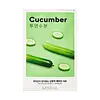
This hydrating sheet mask is formulated around Allantoin and Camellia Sinensis Leaf Extract to hydrate skin and calm redness.
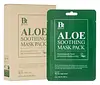
This calming sheet mask is formulated around Beta-Glucan and Dipotassium Glycyrrhizate to calm redness and hydrate skin.

What's inside
What's inside
 Key Ingredients
Benefits
Concerns
No concerns
Ingredients Side-by-side
Water
Skin ConditioningDipropylene Glycol
HumectantGlycereth-26
Humectant
Glycerin
Humectant

Propanediol
Solvent
1,2-Hexanediol
Skin Conditioning
Butylene Glycol
Humectant
Allantoin
Skin Conditioning

Camellia Sinensis Leaf Extract
Antimicrobial




Zingiber Officinale Root Extract
Masking
Coptis Japonica Root Extract
Skin ConditioningDipotassium Glycyrrhizate
Humectant
Disodium EDTA
ChelatingSodium Hyaluronate
Humectant
Olea Europaea Fruit Oil
Masking





Citrus Aurantium Bergamia Fruit Oil
Masking

Amyris Balsamifera Bark Oil
Masking
Cucumis Sativus Fruit Extract
Emollient
Beta-Glucan
Skin Conditioning
Sodium Carbomer
Emulsion StabilisingHydroxyethylcellulose
Emulsion StabilisingPolyglyceryl-10 Laurate
Skin Conditioning
Polyglyceryl-10 Myristate
Skin Conditioning
Ethylhexylglycerin
Skin ConditioningWater, Dipropylene Glycol, Glycereth-26, Glycerin, Propanediol, 1,2-Hexanediol, Butylene Glycol, Allantoin, Camellia Sinensis Leaf Extract, Zingiber Officinale Root Extract, Coptis Japonica Root Extract, Dipotassium Glycyrrhizate, Disodium EDTA, Sodium Hyaluronate, Olea Europaea Fruit Oil, Citrus Aurantium Bergamia Fruit Oil, Amyris Balsamifera Bark Oil, Cucumis Sativus Fruit Extract, Beta-Glucan, Sodium Carbomer, Hydroxyethylcellulose, Polyglyceryl-10 Laurate, Polyglyceryl-10 Myristate, Ethylhexylglycerin
Aloe Barbadensis Leaf Water
MaskingWater
Skin ConditioningCamellia Sinensis Leaf Water
Masking
Glycerin
Humectant
Pentylene Glycol
Skin Conditioning
Sodium PCA
Humectant
Aloe Barbadensis Leaf Extract
Emollient
Sodium Hyaluronate
Humectant
Beta-Glucan
Skin Conditioning
Cucumis Sativus Fruit Extract
Emollient
Butylene Glycol
Humectant
Xanthan Gum
EmulsifyingMicrocrystalline Cellulose
AbsorbentSodium Gluconate
ChelatingBetaine
Humectant
1,2-Hexanediol
Skin Conditioning
Propanediol
Solvent
Dipotassium Glycyrrhizate
Humectant
Cellulose Gum
Emulsion StabilisingAloe Barbadensis Leaf Water, Water, Camellia Sinensis Leaf Water, Glycerin, Pentylene Glycol, Sodium PCA, Aloe Barbadensis Leaf Extract, Sodium Hyaluronate, Beta-Glucan, Cucumis Sativus Fruit Extract, Butylene Glycol, Xanthan Gum, Microcrystalline Cellulose, Sodium Gluconate, Betaine, 1,2-Hexanediol, Propanediol, Dipotassium Glycyrrhizate, Cellulose Gum
Reviews
Ingredients Explained
These ingredients are found in both products.
Ingredients higher up in an ingredient list are typically present in a larger amount.
1,2-Hexanediol is a synthetic liquid and another multi-functional powerhouse.
It is a:
- Humectant, drawing moisture into the skin
- Emollient, helping to soften skin
- Solvent, dispersing and stabilizing formulas
- Preservative booster, enhancing the antimicrobial activity of other preservatives
Beta-Glucan is a soluble polysaccharide (a chain of glucose sugars) sourced from the cells walls of oats, baker's yeast, mushrooms, and seaweed.
It's a rare ingredient that pulls double-duty as a heavy-duty hydrator and skin-soothing repair agent.
On the surface, it acts as a humectant that holds water in place and reduces moisture loss for a plumper, smoother feel, while its anti-inflammatory and antioxidant properties make it a great pick for calming redness or sensitive skin
The more interesting story is underneath:
Despite its large molecular size, oat beta-glucan has been shown to penetrate the epidermis and reach the dermis by slipping between skin cells. Here, it interacts with fibroblasts and macrophages to nudge collagen synthesis and support wound repair.
A small 2005 split-face clinical study of 27 subjects found topical beta-glucan produced measurable reductions in wrinkle depth, height, and roughness after 8 weeks of use.
It is worth noting the trial was small and the penetration testing used frozen, irradiated skin so the anti-aging data is encouraging rather than definitive.
This ingredient gets along with pretty much everything and is typically used around 0.1-1%.
Fungal acne: This ingredient is not a food source for the Malassezia yeast because it is a glucose polysaccharide with no fatty acid or ester component.
Learn more about Beta-GlucanButylene Glycol (or BG) is used within cosmetic products for a few different reasons:
Overall, Butylene Glycol is a safe and well-rounded ingredient that works well with other ingredients.
Though this ingredient works well with most skin types, some people with sensitive skin may experience a reaction such as allergic rashes, closed comedones, or itchiness.
Learn more about Butylene GlycolThis extract comes from cucumber. Cucumbers are mostly made up of water (95%), and the other 5% is composed of: vitamin C, caffeic acid, fatty acids, amino acids, and other minerals.
Cucumbers have anti-inflammatory, barrier repair, and hydrating properties.
They contain shikimate dehydrigenase, an enzyme shown to help reduce inflammation and soothe the skin.
The amino acids found in cucumbers help nourish our skin's natural acid mantle (it's an important part of our skin barrier). This slightly acidic film acts as a barrier to protect us from bacteria, viruses, and other contaminants.
Unless you have an allergy to cucumbers, this is generally a non-irritating ingredient.
Fun fact: Cucumis Sativus is native to South Asia and can now be found on every continent.
Learn more about Cucumis Sativus Fruit ExtractDipotassium Glycyrrhizate comes from licorice root.
Extracts of licorice have demonstrated to have antibacterial, anti‐inflammatory, antiviral, antioxidant properties.
One component, glabridin, has extra potent antioxidant and soothing properties. It has also been found to block pigmentation from UVB rays in guinea pigs.
Licorice Root also contains a flavonoid. Flavonoids are a natural substance from in plants. Flavonoids also have antioxidant properties.
Another component, glycyrrhizin, has been found to have anti-inflammatory and antimicrobial benefits. This may make licorice root extract effective at treating acne. However, more research is needed to support this.
Liquiritin is one of the flavone compounds found in licorice. It has been found to help lighten skin by preventing tyrosinase from reacting with tyrosine. When the two react, protein is converted to melanin. Melanin is the substance in your body that gives your features pigmentation.
Licorice root is native to Southern Europe and Asia. It has been used in traditional Chinese medicine to help with respiratory issues.
Learn more about Dipotassium GlycyrrhizateGlycerin (or glycerol) is a compound naturally found in your skin. It's a powerhouse humectant that pulls water into the stratum corneum.
Topically, glycerin does several things at once:
Your skin makes glycerin on its own (mostly from sebaceous oil breakdown) and shuttles it to your outermost layer of skin, or your epidermis, via aquaporin-3.
Aquaporin-3 is a transporter that is essential for normal skin hydration, elasticity, and repair. Interestingly, mice lacking in AQP3 have dry and less elastic skin that can be fully corrected with glycerin.
This ingredient is non-irritating, plays well with almost every ingredient, and works across all skin types. Typical use is anywhere between 3-10% but can go up to 79% in some leave-on products.
Just know very high concentrations (>40%) can feel tacky in low humidity.
Glycerin is the name for this ingredient in American English. British English uses Glycerol/Glycerine.
Learn more about GlycerinPropanediol is an all-star ingredient. It softens, hydrates, and smooths the skin.
It’s often used to:
Propanediol is not likely to cause sensitivity and considered safe to use. It is derived from corn or petroleum with a clear color and no scent.
Learn more about PropanediolSodium Hyaluronate is the salt form of hyaluronic acid. It is a long sugar chain that is naturally found in your skin, joints, and connective tissue that maintains hydration and elasticity.
In skincare, it works as a humectant. It pulls water from the environment and deeper layers of skin and binds it to the surface.
Interestingly, the size of the molecule affects its behavior:
Some clinical evidence links low molecular weight versions to improved wrinkle depth, elasticity, anti-inflammatory effects, and barrier repair.
Many serums use a blend of both weights so you can get surface hydration plus longer-lasting and deeper effects.
You'll typically see concentrations between 0.1-2% for this ingredient.
Learn more about Sodium HyaluronateWater. It's the most common cosmetic ingredient of all. You'll usually see it at the top of ingredient lists, meaning that it makes up the largest part of the product.
So why is it so popular? Water most often acts as a solvent - this means that it helps dissolve other ingredients into the formulation.
You'll also recognize water as that liquid we all need to stay alive. If you see this, drink a glass of water. Remember to stay hydrated!
Learn more about Water

