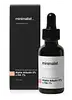
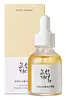
Minimalist Alpha Arbutin 2% + Hyaluronic Acid 1% Versus Beauty of Joseon Glow Serum: Propolis + Niacinamide
This brightening serum is formulated around Alpha-Arbutin and Sodium Hyaluronate to fade the look of dark spots and brighten dull-looking skin.
This acne serum is formulated around Propolis Extract and Niacinamide to clear breakouts and brighten dull-looking skin.


What's inside
What's inside
 Key Ingredients
Benefits
Concerns
No concerns
Ingredients Side-by-side
Aloe Barbadensis Leaf Juice
Skin Conditioning


Dimethyl Isosorbide
SolventAlpha-Arbutin
Antioxidant




Propanediol
Solvent
Ethoxydiglycol
HumectantSodium Hyaluronate
Humectant

Phenoxyethanol
Preservative
Pullulan
Ethylhexylglycerin
Skin ConditioningHydroxyethylcellulose
Emulsion StabilisingXanthan Gum
EmulsifyingSclerotium Gum
Emulsion StabilisingTrisodium Ethylenediamine Disuccinate
ChelatingLactic Acid
Buffering






Lecithin
Emollient
Propolis Extract
Skin Conditioning

Dipropylene Glycol
HumectantGlycerin
Humectant
Butylene Glycol
Humectant
Water
Skin ConditioningNiacinamide
Smoothing
1,2-Hexanediol
Skin Conditioning
Melia Azadirachta Flower Extract
Skin ConditioningMelia Azadirachta Leaf Extract
Skin ConditioningSodium Hyaluronate
Humectant
Curcuma Longa Root Extract
Antioxidant
Ocimum Sanctum Leaf Extract
Skin ConditioningTheobroma Cacao Seed Extract
Antioxidant
Melaleuca Alternifolia Leaf Extract
Perfuming
Centella Asiatica Extract
Cleansing
Corallina Officinalis Extract
Skin Conditioning
Lotus Corniculatus Seed Extract
Skin ConditioningCalophyllum Inophyllum Seed Oil
Antimicrobial

Betaine Salicylate
Antimicrobial
Sodium Polyacryloyldimethyl Taurate
Emulsion StabilisingTromethamine
BufferingPolyglyceryl-10 Laurate
Skin Conditioning
Caprylyl Glycol
Emollient
Ethylhexylglycerin
Skin ConditioningDextrin
AbsorbentPentylene Glycol
Skin Conditioning
Octanediol
Tocopherol
Antioxidant
Xanthan Gum
EmulsifyingCarbomer
Emulsion StabilisingPropolis Extract, Dipropylene Glycol, Glycerin, Butylene Glycol, Water, Niacinamide, 1,2-Hexanediol, Melia Azadirachta Flower Extract, Melia Azadirachta Leaf Extract, Sodium Hyaluronate, Curcuma Longa Root Extract, Ocimum Sanctum Leaf Extract, Theobroma Cacao Seed Extract, Melaleuca Alternifolia Leaf Extract, Centella Asiatica Extract, Corallina Officinalis Extract, Lotus Corniculatus Seed Extract, Calophyllum Inophyllum Seed Oil, Betaine Salicylate, Sodium Polyacryloyldimethyl Taurate, Tromethamine, Polyglyceryl-10 Laurate, Caprylyl Glycol, Ethylhexylglycerin, Dextrin, Pentylene Glycol, Octanediol, Tocopherol, Xanthan Gum, Carbomer
Reviews
Ingredients Explained
These ingredients are found in both products.
Ingredients higher up in an ingredient list are typically present in a larger amount.
Ethylhexylglycerin is created from glycerin. It is a multitasker ingredient that:
The CIR Expert Panel found minimal skin absorption or sensitization of any kind in a safety assessment. Though this ingredient is considered well-tolerated, a small number of cases of allergic dermatitis have been published since 2002. Just be sure to patch test if you are unsure.
Industry-reported use ranges from 8% in rinse-off products and 2% in leave-on formulations.
Learn more about EthylhexylglycerinSodium Hyaluronate is the salt form of hyaluronic acid. It is a long sugar chain that is naturally found in your skin, joints, and connective tissue that maintains hydration and elasticity.
In skincare, it works as a humectant. It pulls water from the environment and deeper layers of skin and binds it to the surface.
Interestingly, the size of the molecule affects its behavior:
Some clinical evidence links low molecular weight versions to improved wrinkle depth, elasticity, anti-inflammatory effects, and barrier repair.
Many serums use a blend of both weights so you can get surface hydration plus longer-lasting and deeper effects.
You'll typically see concentrations between 0.1-2% for this ingredient.
Learn more about Sodium HyaluronateXanthan gum is used as a stabilizer and thickener within cosmetic products. It helps give products a sticky, thick feeling - preventing them from being too runny.
On the technical side of things, xanthan gum is a polysaccharide - a combination consisting of multiple sugar molecules bonded together.
Xanthan gum is a pretty common and great ingredient. It is a natural, non-toxic, non-irritating ingredient that is also commonly used in food products.
Learn more about Xanthan Gum

