
What's inside
What's inside
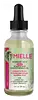 Key Ingredients
Benefits
Concerns
Ingredients Side-by-side
Vitis Vinifera Seed Oil
Emollient




Glycine Soja Oil
Emollient




Prunus Amygdalus Dulcis Oil
Skin Conditioning
Ricinus Communis Seed Oil
Masking
Simmondsia Chinensis Seed Oil
Emollient

Mentha Piperita Oil
Masking



Rosmarinus Officinalis Leaf Oil
Masking
Eucalyptus Globulus Leaf Oil
Perfuming
Menthol
Masking
Melaleuca Alternifolia Leaf Oil
Antioxidant


Rosmarinus Officinalis Leaf Extract
AntimicrobialHelianthus Annuus Seed Oil
Emollient
Lavandula Angustifolia Oil
Masking
Triticum Vulgare Germ Oil
Emollient
Cocos Nucifera Oil
Masking
Carthamus Tinctorius Seed Oil
Masking
Aloe Barbadensis Leaf Extract
Emollient
Oenothera Biennis Oil
Emollient
Oryza Sativa Bran Oil
Emollient
Tocopheryl Acetate
Antioxidant

Benzyl Nicotinate
Skin ConditioningBiotin
AntiseborrhoeicPogostemon Cablin Leaf Oil
Masking
Ocimum Americanum Leaf Oil
Masking
Salvia Officinalis Oil
Masking
Apium Graveolens Extract
Skin ConditioningEquisetum Arvense Extract
AstringentArctium Lappa Root Extract
Skin Conditioning
Urtica Dioica Extract
AstringentSilica
Abrasive

Glycerin
Humectant
Ascorbic Acid
Antioxidant


Cholecalciferol
Vitis Vinifera Seed Oil, Glycine Soja Oil, Prunus Amygdalus Dulcis Oil, Ricinus Communis Seed Oil, Simmondsia Chinensis Seed Oil, Mentha Piperita Oil, Rosmarinus Officinalis Leaf Oil, Eucalyptus Globulus Leaf Oil, Menthol, Melaleuca Alternifolia Leaf Oil, Rosmarinus Officinalis Leaf Extract, Helianthus Annuus Seed Oil, Lavandula Angustifolia Oil, Triticum Vulgare Germ Oil, Cocos Nucifera Oil, Carthamus Tinctorius Seed Oil, Aloe Barbadensis Leaf Extract, Oenothera Biennis Oil, Oryza Sativa Bran Oil, Tocopheryl Acetate, Benzyl Nicotinate, Biotin, Pogostemon Cablin Leaf Oil, Ocimum Americanum Leaf Oil, Salvia Officinalis Oil, Apium Graveolens Extract, Equisetum Arvense Extract, Arctium Lappa Root Extract, Urtica Dioica Extract, Silica, Glycerin, Ascorbic Acid, Cholecalciferol
Ricinus Communis Seed Oil
Masking
Olea Europaea Fruit Oil
Masking
Rosmarinus Officinalis Leaf Oil
Masking
Melaleuca Alternifolia Leaf Oil
Antioxidant
Menthol
Masking
Rosmarinus Officinalis Flower/Leaf/Stem Extract
MaskingEthylhexyl Palmitate
Emollient
Oenothera Biennis Root Extract
Skin ConditioningAbronia Villosa Leaf Extract
Skin ConditioningAgave Americana Stem Extract
Skin ConditioningYucca Brevifolia Root Extract
Skin ConditioningOpuntia Coccinellifera Flower Extract
Skin ConditioningFouquieria Splendens Stem Extract
Skin ConditioningLarrea Tridentata Extract
Skin ConditioningLavandula Angustifolia Oil
Masking
Pogostemon Cablin Leaf Oil
Masking
Prunus Amygdalus Dulcis Oil
Skin Conditioning
Rosa Canina Seed Oil
Emollient
Vitis Vinifera Seed Oil
Emollient
Acacia Concinna Fruit Extract
Skin ConditioningEmblica Officinalis Fruit Extract
Skin ConditioningMentha Piperita Oil
Masking
Ricinus Communis Seed Oil, Olea Europaea Fruit Oil, Rosmarinus Officinalis Leaf Oil, Melaleuca Alternifolia Leaf Oil, Menthol, Rosmarinus Officinalis Flower/Leaf/Stem Extract, Ethylhexyl Palmitate, Oenothera Biennis Root Extract, Abronia Villosa Leaf Extract, Agave Americana Stem Extract, Yucca Brevifolia Root Extract, Opuntia Coccinellifera Flower Extract, Fouquieria Splendens Stem Extract, Larrea Tridentata Extract, Lavandula Angustifolia Oil, Pogostemon Cablin Leaf Oil, Prunus Amygdalus Dulcis Oil, Rosa Canina Seed Oil, Vitis Vinifera Seed Oil, Acacia Concinna Fruit Extract, Emblica Officinalis Fruit Extract, Mentha Piperita Oil
Ingredients Explained
These ingredients are found in both products.
Ingredients higher up in an ingredient list are typically present in a larger amount.
Lavandula Angustifolia Oil is more commonly known as lavender essential oil. It is considered a fragrancing ingredient.
Lavender imparts a famous scent. While the smell is lovely, this ingredient and may sensitize skin in topical products. This is because about 85% of the oil is made up of linalool and linalyl acetate.
When exposed to air, these two compounds become strong allergens. This ingredient exhibits cytotoxicity at low concentrations; amounts of 0.25% have been shown to damage skin cells.
A study from Japan found this ingredient caused lavender sensitivity after widespread exposure.
Lavender essential oil has some antimicrobial, antibacterial, and anti-inflammatory properties. However, the cons of this ingredient may outweight the pros.
More research is needed to confirm lavender essential oil's effects when used in aromatherapy.
Lavandula Angustifolia is known as the English Lavender and famous for creating purple fields in Provence, France.
Learn more about Lavandula Angustifolia OilThis ingredient is also known as tea tree oil. It has antioxidant, anti-inflammatory, and antimicrobial properties.
Tea tree oil is a complex lipophilic (fat-loving) oil that contains around 100 compounds with terpinen-4-ol being the most abundant (~40%).
Terpinen-4-ol is responsible for tea tree oil's broad-spectrum antimicrobial activity and makes it a well-researched option for acne.
Clinical studies support 5% tea tree oil as an effective topical treatment for mild to moderate acne. A study with 124 patients compared 5% tea tree oil gel to 5% benzoyl peroxide and both reduced acne (though tea tree oil worked more slowly).
Besides acne, it is also seen in anti-dandruff shampoos and scalp treatments for it's antimicrobial and anti-seborrheic properties.
Safety-wise, the allergic potential of low concentrations on healthy skin is considered low. However, oxidized (old or improperly stored) tea tree oil is a stronger sensitizer.
Irritation can also occur if using the undiluted oil on skin; it's best to use this ingredient as part of a carefully crafted cosmetic formula. This is because regulations require tea tree oil in cosmetics to be stabilized to prevent degradation.
This ingredient has been deemed safe up to 2% in shampoo, 1% in cleansers, and 0.1% in face cream by the EU's Scientific Committee on Consumer Safety (SCCS).
There is some lab evidence that tea tree oil is antifungal against Malassezia, but it is a supportive option at best and not a replacement for proven antifungal treatments.
Learn more about Melaleuca Alternifolia Leaf OilThis essential oil is steam-distilled from peppermint leaves, also known as peppermint oil. It's mainly used for scent in skincare but also provides that signature "cooling" sensation.
Peppermint oil is a "feels amazing" ingredient until it doesn't.
At higher doses or for those with sensitive skin, methol-type cooling can quickly turn into burning/irritation. It can also trigger irritant dermatitis or even allergic contact dermatitis. In a large patch-test dataset, peppermint oil had a low but positive rate for this.
In cosmetics, Cosmetic Safety Reviews (CIR) concludes that peppermint oil is safe to use when formulated to be non-sensitizing with some restrictions; for instance, pulegone, a naturally occurring component of peppermint oil, should not exceed 1%.
Since peppermint oil contains fragrance allergens such as limonene, linalool, and menthol, it can be sensitizing for those with rosacea, eczema, a broken skin barrier, or just sensitive skin in general.
In Japan, this ingredient is known as Hakka Yu.
Learn more about Mentha Piperita OilMenthol is a compound found in mint plants, such as peppermint. In its pure form, it is a clear crystalline substance.
Menthol is known for its cooling sensation; however, the cooling is actually from your skin being sensitized. Menthol can worsen rosacea. We recommend speaking with a professional if you have concerns.
Menthol also has antimicrobial properties.
Learn more about MentholThis ingredient is also known as Patchouli oil. Its main role is to add a warm, earthy, and musky scent to products.
Patchouli exhibits slight antioxidant, antibacterial and antifungal activity from its patchoulol, beta-caryophyllene, pogostone content.
Like all essential oils, this ingredient is a known sensitizer at higher concentrations. This is because this oil also contains known skin-irritating fragrances, limonene and camphor. Limonene and camphor are both known EU allergens.
While patchouli oil holds FDA GRAS ("generally recognized as safe") status, it is typically used at low levels and subject to usage guidelines.
Those with sensitive skin should patch test before using.
Learn more about Pogostemon Cablin Leaf OilThis ingredient is also known as sweet almond oil. It is a lightweight, cold-pressed oil from the ripe seeds of the sweet almond tree.
Sweet almond oil is rich in skin-nourishing fatty acids such as oleic acid (55-86%) and linolenic acid (7-35%).
As an emollient, it softens and hydrates skin by forming a thin barrier that locks in moisture.
Clinical studies have found it to be non-irritating and non-sensitizing. The CIR Expert Panel has evaluated the available safety data and concluded it is safe for topical use.
Because of the oleic acid content, this ingredient may not be fungal acne safe.
This ingredient does have a comedogenic rating of 3, but this doesn't mean a formula with this ingredient will clog pores.
Human testing has proved that any finished product with a comedogenic ingredient won't automatically make you break out; it really comes down to concentration, formula, and your skin.
Learn more about Prunus Amygdalus Dulcis OilThis ingredient is also known as castor oil. It is a skin conditioning ingredient.
The star component of castor oil is ricinoleic acid, an unusual fatty acid that makes up ~80-92% of its composition.
In skincare, it is an emollient that dries down to a solid film with water-binding properties. This helps keep skin hydrated and helps reduce transepidermal water loss (TEWL).
A 2026 dermatology review pulls together its broader uses:
Human clinical testing found this ingredient to be non-irritating and non-sensitizing.
Because castor oil contains fatty acids in the C11-24 range, this ingredient may not be fungal acne safe.
At this time, the literature does not support castor oil in regrowing hair. A 2022 systematic review found no strong evidence that it supports hair growth and only weak evidence that it improves hair shine.
Castor oil itself carries "perfuming" and "masking" function tags according to the official CosIng database. This is because of its mild odor and odor-dampening properties.
Learn more about Ricinus Communis Seed OilRosmarinus Officinalis Leaf Oil is an essential oil also known as rosemary essential oil. In skincare, it is a skin conditioning agent and also acts as a natural fragrance that gives products a fresh/herby smell.
The oil is a mix of over 100 volatile compounds with 1,8-cineole, α-pinene, camphor, and verbenone usually leading the pack.
Lab studies credit this oil with antioxidant, anti-inflammatory, and antimicrobial activity. Some research even show rosemary compounds calming acne-related inflammation.
The Cosmetic Ingredient Review (CIR) has concluded rosemary-derived ingredients to be safe when formulated to be nonsensitizing.
Since this is a fragrant essential oil, the main concern is for fragrance-sensitive folks.
Learn more about Rosmarinus Officinalis Leaf OilVitis Vinifera Seed Oil comes from the grape vine. Grape seeds are a byproduct of creating grape juice or wine.
The components of grape seeds have many skin benefits. Research has found it to be antimicrobial and anti-inflammatory. It also contains many potent antioxidants such as Vitamin E , Vitamin C, proanthocyanidins, polyphenols, flavonoids, and anthocyanins. Proanthocyanidin has been shown to help even out skin tone.
Antioxidants help fight free-radical molecules. Free-radical molecules are capable of damaging our cells and other genetic material. Antioxidants help stabilize free-radicals by donating extra electrons. Grape seed extract may help reduce the signs of aging.
The antimicrobial properties of grape seed may help treat acne. However, more research is needed to support this claim.
Grape seed has also been found to help absorb UV rays. Grape seed extract should not replace your sunscreen.
The fatty acids of grape seed oil give it emollient properties. Emollients help soothe and soften your skin by creating a film. This film traps moisture within, keeping your skin hydrated.
Learn more about Vitis Vinifera Seed Oil

