
What's inside
What's inside
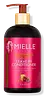 Key Ingredients
Benefits
Concerns
Ingredients Side-by-side
Water
Skin ConditioningBehentrimonium Methosulfate
SurfactantCetyl Alcohol
Emollient



Butylene Glycol
Humectant

Glycerin
Humectant
Orbignya Oleifera Seed Oil
Emollient
Mauritia Flexuosa Fruit Oil
Skin Conditioning

Copaifera Officinalis Resin
MaskingAstrocaryum Murumuru Seed Butter
Emollient
Vaccinium Myrtillus Fruit Extract
Skin ConditioningSaccharum Officinarum Extract
MoisturisingAcer Saccharum Extract
Skin ConditioningCitrus Aurantium Dulcis Fruit Extract
MaskingCitrus Medica Limonum Fruit Extract
Skin ConditioningPunica Granatum Extract
AstringentBetaine
Humectant
Hexylene Glycol
EmulsifyingHoney
Humectant
Pyrus Malus Fruit Extract
Skin Conditioning
Camellia Sinensis Leaf Extract
Antimicrobial





Hexapeptide-11
Skin Conditioning
Citric Acid
Buffering
Parfum
Masking


Phenoxyethanol
Preservative
Benzoic Acid
Masking
Ethylhexylglycerin
Skin ConditioningGlycereth-2 Cocoate
Emulsifying
Water, Behentrimonium Methosulfate, Cetyl Alcohol, Butylene Glycol, Glycerin, Orbignya Oleifera Seed Oil, Mauritia Flexuosa Fruit Oil, Copaifera Officinalis Resin, Astrocaryum Murumuru Seed Butter, Vaccinium Myrtillus Fruit Extract, Saccharum Officinarum Extract, Acer Saccharum Extract, Citrus Aurantium Dulcis Fruit Extract, Citrus Medica Limonum Fruit Extract, Punica Granatum Extract, Betaine, Hexylene Glycol, Honey, Pyrus Malus Fruit Extract, Camellia Sinensis Leaf Extract, Hexapeptide-11, Citric Acid, Parfum, Phenoxyethanol, Benzoic Acid, Ethylhexylglycerin, Glycereth-2 Cocoate
Water
Skin ConditioningCetearyl Alcohol
Emollient
Cetyl Alcohol
Emollient
Cocos Nucifera Fruit Extract
Emollient
Phyllanthus Emblica Fruit Extract
HumectantBeta Vulgaris Root Extract
Skin ConditioningPhytosterols
Skin Conditioning
Serenoa Serrulata Fruit Extract
Skin Conditioning
Camellia Sinensis Leaf Extract
Antimicrobial
Glycerin
Humectant
Pyrus Malus Fruit Extract
Skin Conditioning
Citrus Limon Peel Extract
EmollientSaccharum Officinarum Extract
MoisturisingBetaine
Humectant
Behentrimonium Methosulfate
SurfactantStearamidopropyl Dimethylamine
EmulsifyingCitric Acid
Buffering
Phenoxyethanol
Preservative
Caprylyl Glycol
Emollient
Potassium Sorbate
Preservative
Polyacrylamide
Parfum
Masking
Anise Alcohol
Perfuming
Coumarin
Perfuming
Limonene
Perfuming
Water, Cetearyl Alcohol, Cetyl Alcohol, Cocos Nucifera Fruit Extract, Phyllanthus Emblica Fruit Extract, Beta Vulgaris Root Extract, Phytosterols, Serenoa Serrulata Fruit Extract, Camellia Sinensis Leaf Extract, Glycerin, Pyrus Malus Fruit Extract, Citrus Limon Peel Extract, Saccharum Officinarum Extract, Betaine, Behentrimonium Methosulfate, Stearamidopropyl Dimethylamine, Citric Acid, Phenoxyethanol, Caprylyl Glycol, Potassium Sorbate, Polyacrylamide, Parfum, Anise Alcohol, Coumarin, Limonene
Reviews
Ingredients Explained
These ingredients are found in both products.
Ingredients higher up in an ingredient list are typically present in a larger amount.
Behentrimonium Methosulfate is a gentle, positively-charged conditioning agent made from rapeseed oil.
It's the opposite of a harsh cleansing sulfate despite having "sulfate" in its name; its a detangler/softener in haircare and helps keep oil/water blended into a creamy texture as an emulsifier.
Concentration-wise, safety review reports the wider trimonium family shows up between 0.0005% to 10% in rinse-off products and 0.001% to 4% in leave-on products.
This ingredient is commonly used at ~1–5% when acting as the emulsifier.
Allergies to this ingredient are rare; the CIR panel noted the literature lacks clinical reports of irritation or sensitization and patch tests on finished products containing it came back clean.
Learn more about Behentrimonium MethosulfateBetaine is a humectant. Like hyaluronic acid, it helps attract and retain moisture in the skin. It’s known for being gentle and for helping the skin maintain balanced hydration.
Betaine is mainly used to improve hydration and support calmer skin. It helps skin cells regulate water balance because it functions as an osmolyte.
Some studies suggest betaine may support making skin tone more even.
Fun fact: Betaine naturally exists in the skin and the body. In cosmetic products, it can be either plant-derived (most commonly from sugar beets) or synthetically produced for consistency and stability.
Betaine is also known as trimethylglycine.
Learn more about BetaineCamellia Sinensis Leaf Extract (tea extract) is one of the most well-researched plant extracts in skincare with an impressive resume.
Black tea, green tea, and oolong tea are all harvested from the Camellia Sinensis plant.
Studies show green tea extract and its catechins (like epigallocatechin gallate (EGCG)) help your skin cells product energy more efficiently and reducing the number of free-radicals that can damage your skin from the inside.
In lab-grown skin models, this translated to younger, healthier, and stronger skin.
There's also good sun protection data; researchers saw less DNA damage and redness on human skin when green tea was applied before UVB exposure. And the more they applied, the better the protection.
Needless to say, this ingredient shouldn't replace your sunscreen. But it is a great supportive ingredient that you can already find in many sunscreens and antioxidant serums.
A 2009 study found a 2% green tea lotion was effective for mild-to-moderate acne thanks to its anti-inflammatory and mild antimicrobial activity.
The quality of the extract matters a lot here:
Good extracts contain 50-90% catechins while lower quality ones are mostly there for marketing. We recommend reaching out to the brand if you have questions about the quality or source of their ingredients.
Human Repeated Insult Patch Testing showed no irritation or sensitization at use concentrations (0.86% in leave-on products and up to 30% as leaf water).
Learn more about Camellia Sinensis Leaf ExtractCetyl Alcohol is a fatty alcohol. Fatty Alcohols are most often used as an emollient or to thicken a product.
Its main roles are:
Though it has "alcohol" in the name, it is not related to denatured alcohol or ethyl alcohol.
The FDA allows products labeled "alcohol-free" to have fatty alcohols.
This ingredient may not be fungal acne safe. It is a primary fatty alcohol with a chain length above 12 carbons. A study from 2019 show Malassezia can feed on fatty alcohols in this range, so it may trigger fungal acne in those prone to it.
Learn more about Cetyl AlcoholCitric Acid is an alpha hydroxy acid (AHA) naturally found in citrus fruits like oranges, lemons, and limes.
Like other AHAs, citric acid can exfoliate skin by breaking down the bonds that hold dead skin cells together. This helps reveal smoother and brighter skin underneath.
However, this exfoliating effect only happens at high concentrations (20%) which can be hard to find in cosmetic products.
Due to this, citric acid is usually included in small amounts as a pH adjuster. This helps keep products slightly more acidic and compatible with skin's natural pH.
In skincare formulas, citric acid can:
While it can provide some skin benefits, research shows lactic acid and glycolic acid are generally more effective and less irritating exfoliants.
Most citric acid used in skincare today is made by fermenting sugars (usually from molasses). This synthetic version is identical to the natural citrus form but easier to stabilize and use in formulations.
Rosacea skin has a lower threshold for acids generally, with 62.5% of rosacea subjects in one study reacting to lactic acid in a sting test. This is why we mark citric acid as a potential rosacea trigger.
However, this ingredient shows up as a pH adjuster or chelator at roughly 0.1-1% in many products. These low levels are unlikely to be an issue for rosacea skin and becomes a potential trigger at exfoliating concentrations (20%). Because everybody's skin is unique, we recommend a patch test if you are unsure.
Learn more about Citric AcidGlycerin (or glycerol) is a compound naturally found in your skin. It's a powerhouse humectant that pulls water into the stratum corneum.
Topically, glycerin does several things at once:
Your skin makes glycerin on its own (mostly from sebaceous oil breakdown) and shuttles it to your outermost layer of skin, or your epidermis, via aquaporin-3.
Aquaporin-3 is a transporter that is essential for normal skin hydration, elasticity, and repair. Interestingly, mice lacking in AQP3 have dry and less elastic skin that can be fully corrected with glycerin.
This ingredient is non-irritating, plays well with almost every ingredient, and works across all skin types. Typical use is anywhere between 3-10% but can go up to 79% in some leave-on products.
Just know very high concentrations (>40%) can feel tacky in low humidity.
Glycerin is the name for this ingredient in American English. British English uses Glycerol/Glycerine.
Learn more about GlycerinParfum is a catch-all term for an ingredient or more that is used to give a scent to products.
Also called "fragrance", this ingredient can be a blend of hundreds of chemicals or plant oils. This means every product with "fragrance" or "parfum" in the ingredients list is a different mixture.
For instance, Habanolide is a proprietary trade name for a specific aroma chemical. When used as a fragrance ingredient in cosmetics, most aroma chemicals fall under the broad labeling category of “FRAGRANCE” or “PARFUM” according to EU and US regulations.
The term 'parfum' or 'fragrance' is not regulated in many countries. In many cases, it is up to the brand to define this term.
For instance, many brands choose to label themselves as "fragrance-free" because they are not using synthetic fragrances. However, their products may still contain ingredients such as essential oils that are considered a fragrance by INCI standards.
One example is Calendula flower extract. Calendula is an essential oil that still imparts a scent or 'fragrance'.
Depending on the blend, the ingredients in the mixture can cause allergies and sensitivities on the skin. Some ingredients that are known EU allergens include linalool and citronellol.
Parfum can also be used to mask or cover an unpleasant scent.
The bottom line is: not all fragrances/parfum/ingredients are created equally. If you are worried about fragrances, we recommend taking a closer look at an ingredient. And of course, we always recommend speaking with a professional.
Learn more about ParfumPhenoxyethanol is one of the most widely used preservatives in skincare (and for good reason!).
It has a large spectrum of antimicrobial activity and especially effective bacteria, yeast, and mold while only having a weak effect on your skin's natural microbiome.
On a cellular level, it disrupts the cell membranes of microbes by poking holes that make the cell leak. This shuts down the chemical reactions the microbe needs to make energy so it can no longer survive.
Another perk of this ingredient is that it stays functional across a wide pH range (3-10).
You'll often see it paired with boosters like Ethylhexylglycerin; one study showed that a 1:9 ratio of Ethylhexylglycerin to Phenoxyethanol damages bacterial membranes as effectively as doubling the Phenoxyethanol concentration on its own.
Typical use concentrations range from 0.3-1% depending on the formula, and this ingredient is capped at 1% int the EU.
Safety-wise, the fear mongering does not hold up to the evidence. The EU's Scientific Committee on Consumer Safety and FDA consider it safe as a preservative at up to 1%, including for children of all ages.
Adverse systemic effects only showed up in animal studies at exposures roughly 200x higher than what people get from cosmetics. And despite its very widespread use, this ingredient is a rare sensitizer and allergic reactions are uncommon.
Learn more about PhenoxyethanolPyrus Malus Fruit Extract is extract from Apples. Apples are rich in Vitamin C, sugars, and antioxidants.
The sugar in Apples are humectants and help hydrate the skin. On top of that, apples also contain some acids, such as malic acid. These acids may have a mild exfoliating effect.
Last, the phytochemicals found in apples are strong antioxidants. These antioxidants help with anti-aging as they protect your skin cells against oxidative damage.
Learn more about Pyrus Malus Fruit ExtractThis ingredient is also called sugarcane extract. It is a moisturizing humectant and has skin soothing properties.
Similar to hyaluronic acid, sugarcane can attract moisture to your skin.
Glycolic acid is a derivative of sugarcane. While glycolic acid is an AHA with exfoliating properties, sugarcane is not an AHA.
A study from 2021 found the compounds in sugarcane extract to have antioxidant, antimicrobial, and anti-inflammatory activity. The study also suggests these compounds can inhibit skin ageing enzymes and promote collagen synthesis.
Learn more about Saccharum Officinarum ExtractWater. It's the most common cosmetic ingredient of all. You'll usually see it at the top of ingredient lists, meaning that it makes up the largest part of the product.
So why is it so popular? Water most often acts as a solvent - this means that it helps dissolve other ingredients into the formulation.
You'll also recognize water as that liquid we all need to stay alive. If you see this, drink a glass of water. Remember to stay hydrated!
Learn more about Water

