

What's inside
What's inside
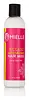 Key Ingredients
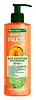
Benefits
Concerns
Ingredients Side-by-side
Water
Skin ConditioningAloe Barbadensis Leaf Juice
Skin Conditioning


Glycerin
Humectant

Persea Gratissima Oil
Skin Conditioning




Behentrimonium Methosulfate
SurfactantCetyl Alcohol
Emollient

Caprylic/Capric Triglyceride
Masking
Cetyl Esters
Emollient
Cetearyl Alcohol
Emollient
Phenoxyethanol
Preservative
Butyrospermum Parkii Butter
Skin Conditioning
Polyquaternium-7
Parfum
Masking


Hydroxypropyltrimonium Honey
Panthenol
Skin Conditioning
Oryza Sativa Bran Oil
Emollient
Simmondsia Chinensis Seed Oil
Emollient
Hydrolyzed Wheat Protein
Skin ConditioningAchillea Millefolium Extract
CleansingUrtica Dioica Leaf Extract
Skin ConditioningSalvia Officinalis Extract
Antimicrobial
Equisetum Arvense Extract
AstringentLavandula Angustifolia Flower/Leaf/Stem Extract
Masking
Benzoic Acid
Masking
Ethylhexylglycerin
Skin ConditioningGlycereth-2 Cocoate
Emulsifying
Water, Aloe Barbadensis Leaf Juice, Glycerin, Persea Gratissima Oil, Behentrimonium Methosulfate, Cetyl Alcohol, Caprylic/Capric Triglyceride, Cetyl Esters, Cetearyl Alcohol, Phenoxyethanol, Butyrospermum Parkii Butter, Polyquaternium-7, Parfum, Hydroxypropyltrimonium Honey, Panthenol, Oryza Sativa Bran Oil, Simmondsia Chinensis Seed Oil, Hydrolyzed Wheat Protein, Achillea Millefolium Extract, Urtica Dioica Leaf Extract, Salvia Officinalis Extract, Equisetum Arvense Extract, Lavandula Angustifolia Flower/Leaf/Stem Extract, Benzoic Acid, Ethylhexylglycerin, Glycereth-2 Cocoate
Water
Skin ConditioningCetearyl Alcohol
Emollient
Cocos Nucifera Oil
Masking
Cetyl Alcohol
Emollient
Cetyl Esters
Emollient
Saccharum Officinarum Extract
MoisturisingCamellia Sinensis Leaf Extract
Antimicrobial



Phyllanthus Emblica Fruit Extract
HumectantCitrus Limon Peel Extract
EmollientPyrus Malus Fruit Extract
Skin Conditioning
Dilauryl Thiodipropionate
Antioxidant
Niacinamide
Smoothing



Leuconostoc/Radish Root Ferment Filtrate
Antimicrobial
Trideceth-6
EmulsifyingBehentrimonium Methosulfate
SurfactantSodium Hydroxide
BufferingPyridoxine Hcl
Skin ConditioningHydrolyzed Corn Protein
Skin ConditioningHydrolyzed Soy
Skin ConditioningHydrolyzed Vegetable Protein Pg-Propyl Silanetriol
Skin ConditioningHydrolyzed Wheat Protein
Skin ConditioningHydroxypropyltrimonium Lemon Protein
HumectantCaprylic/Capric Triglyceride
Masking
Citric Acid
Buffering
Potassium Sorbate
Preservative
Salicylic Acid
Masking
Phenoxyethanol
Preservative
Cetrimonium Chloride
Antimicrobial
CI 15985
Cosmetic ColorantCI 19140
Cosmetic ColorantLinalool
Perfuming
Amyl Cinnamal
Perfuming
Benzyl Alcohol
Perfuming
Parfum
Masking
Water, Cetearyl Alcohol, Cocos Nucifera Oil, Cetyl Alcohol, Cetyl Esters, Saccharum Officinarum Extract, Camellia Sinensis Leaf Extract, Phyllanthus Emblica Fruit Extract, Citrus Limon Peel Extract, Pyrus Malus Fruit Extract, Dilauryl Thiodipropionate, Niacinamide, Leuconostoc/Radish Root Ferment Filtrate, Trideceth-6, Behentrimonium Methosulfate, Sodium Hydroxide, Pyridoxine Hcl, Hydrolyzed Corn Protein, Hydrolyzed Soy, Hydrolyzed Vegetable Protein Pg-Propyl Silanetriol, Hydrolyzed Wheat Protein, Hydroxypropyltrimonium Lemon Protein, Caprylic/Capric Triglyceride, Citric Acid, Potassium Sorbate, Salicylic Acid, Phenoxyethanol, Cetrimonium Chloride, CI 15985, CI 19140, Linalool, Amyl Cinnamal, Benzyl Alcohol, Parfum
Ingredients Explained
These ingredients are found in both products.
Ingredients higher up in an ingredient list are typically present in a larger amount.
Behentrimonium Methosulfate is a gentle, positively-charged conditioning agent made from rapeseed oil.
It's the opposite of a harsh cleansing sulfate despite having "sulfate" in its name; its a detangler/softener in haircare and helps keep oil/water blended into a creamy texture as an emulsifier.
Concentration-wise, safety review reports the wider trimonium family shows up between 0.0005% to 10% in rinse-off products and 0.001% to 4% in leave-on products.
This ingredient is commonly used at ~1–5% when acting as the emulsifier.
Allergies to this ingredient are rare; the CIR panel noted the literature lacks clinical reports of irritation or sensitization and patch tests on finished products containing it came back clean.
Learn more about Behentrimonium MethosulfateCaprylic/Capric Triglyceride (aka MCT Oil) is a lightweight emollient, solvent, and texture enhancer. It is considered a skin-softener by helping to prevent moisture loss.
Though it behaves like an oil, it is not technically one due to its chemical composition. One perk of this ingredient is that it is very stable, resistant to oxidation, and unlikely to go rancid.
In practice, that translates to a long shelf life and a consistently elegant skin feel.
While there is an assumption Caprylic Triglyceride can clog pores due to it being derived from coconut oil, there is no research supporting this. Just patch test if you have concerns.
Fractionated coconut oil and MCT Oil are both listed as Caprylic/Capric Triglyceride according to INCI. This is because INCI names are based on the ingredient’s final chemical composition and not its marketing name or source.
This ingredient is treated as the gold standard fungal acne safe oil. Even though it is coconut derived, the problematic lauric acid is stripped out.
This leaves just caprylic (C8) and capric (C10) acid. These chain lengths actually trend antifungal; a 2020 study found caprylic acid was enough to disrupt Malassezia furfur cell membrane, with a caprylic acid derivative damaging membrane structures at concentrations as low as 0.2%.
Learn more about Caprylic/Capric TriglycerideCetearyl alcohol is a waxy mixture of two fatty alcohols: cetyl alcohol and stearyl alcohol. It is an emollient and emulsifier.
Despite having "alcohol" in its name, it has nothing to do with drying solvent alcohols; the FDA also allows "alcohol-free" products to contain fatty alcohols like this ingredient.
It plays several roles in a formula:
Typical use levels for this ingredient sit around 1-10% and the Cosmetic Ingredient Review Expert Panel has affirmed safety at concentrations up to 25% in leave-on products.
Multiple assessments have found it to be non-irritating and non-sensitizing to most people.
However, there have been some cases of allergic contact dermatitis in patients with chronically compromised skin barriers.
Cetearyl alcohol has a comedogenic rating of 2 and irritancy rating of 1. Both of these numbers come from the 1989 study that used rabbit ears; a "2" means mildly comedogenic and a "1" means low irritancy.
Here's the catch: rabbit skin is more sensitive than human skin and throws a lot of false positives. A 1996 reappraisal found that ingredients rated 1-2 in the rabbit ear tests are generally safe for humans.
Remember comedogenic ratings are unable to assess the entire formula of a product or how it will react on your skin. Just be sure to patch test if you are unsure about certain ingredients.
This ingredient is not fungal acne safe. Cetearyl alcohol is a fatty alcohol with chain lengths that fall within the range that Malassezia can metabolize.
A 2019 study has also observed Malassezia growth in the presence of this ingredient, confirming it to be not-fungal acne safe.
Learn more about Cetearyl AlcoholCetyl Alcohol is a fatty alcohol. Fatty Alcohols are most often used as an emollient or to thicken a product.
Its main roles are:
Though it has "alcohol" in the name, it is not related to denatured alcohol or ethyl alcohol.
The FDA allows products labeled "alcohol-free" to have fatty alcohols.
This ingredient may not be fungal acne safe. It is a primary fatty alcohol with a chain length above 12 carbons. A study from 2019 show Malassezia can feed on fatty alcohols in this range, so it may trigger fungal acne in those prone to it.
Learn more about Cetyl AlcoholCetyl Esters is an emollient with an interesting backstory: it's a synthetic wax originally designed to be a copy of spermaceti, a waxy material that used to be harvested from whales.
This ingredient delivers the same "velvety" feel without anything animal-derived (usually made from coconut or palm-sourced fatty alcohols/acids).
Chemically, it's a blend of esters from 14-18 fatty acids and alcohols that is a solid at room temperature but melts on contact with skin. It helps soften and smooth the skin while improving the feel and spread of products.
Typical use concentrations range from 1-10% (most commonly 2-5%).
The CIR Expert Panel has concluded it's safe as used and has shown no skin irritation in available studies.
Because it's a blend of fatty acid esters in the chain-length range that Malassezia can feed on, it may not be fungal acne safe.
Learn more about Cetyl EstersThis ingredient is a plant-derived protein made by breaking down wheat proteins into smaller amino acids and peptides. It has skin and hair conditioning properties.
People with known wheat allergy or a history of immediate reactions should be cautious with leave-on products containing hydrolyzed wheat proteins.
Parfum is a catch-all term for an ingredient or more that is used to give a scent to products.
Also called "fragrance", this ingredient can be a blend of hundreds of chemicals or plant oils. This means every product with "fragrance" or "parfum" in the ingredients list is a different mixture.
For instance, Habanolide is a proprietary trade name for a specific aroma chemical. When used as a fragrance ingredient in cosmetics, most aroma chemicals fall under the broad labeling category of “FRAGRANCE” or “PARFUM” according to EU and US regulations.
The term 'parfum' or 'fragrance' is not regulated in many countries. In many cases, it is up to the brand to define this term.
For instance, many brands choose to label themselves as "fragrance-free" because they are not using synthetic fragrances. However, their products may still contain ingredients such as essential oils that are considered a fragrance by INCI standards.
One example is Calendula flower extract. Calendula is an essential oil that still imparts a scent or 'fragrance'.
Depending on the blend, the ingredients in the mixture can cause allergies and sensitivities on the skin. Some ingredients that are known EU allergens include linalool and citronellol.
Parfum can also be used to mask or cover an unpleasant scent.
The bottom line is: not all fragrances/parfum/ingredients are created equally. If you are worried about fragrances, we recommend taking a closer look at an ingredient. And of course, we always recommend speaking with a professional.
Learn more about ParfumPhenoxyethanol is one of the most widely used preservatives in skincare (and for good reason!).
It has a large spectrum of antimicrobial activity and especially effective bacteria, yeast, and mold while only having a weak effect on your skin's natural microbiome.
On a cellular level, it disrupts the cell membranes of microbes by poking holes that make the cell leak. This shuts down the chemical reactions the microbe needs to make energy so it can no longer survive.
Another perk of this ingredient is that it stays functional across a wide pH range (3-10).
You'll often see it paired with boosters like Ethylhexylglycerin; one study showed that a 1:9 ratio of Ethylhexylglycerin to Phenoxyethanol damages bacterial membranes as effectively as doubling the Phenoxyethanol concentration on its own.
Typical use concentrations range from 0.3-1% depending on the formula, and this ingredient is capped at 1% int the EU.
Safety-wise, the fear mongering does not hold up to the evidence. The EU's Scientific Committee on Consumer Safety and FDA consider it safe as a preservative at up to 1%, including for children of all ages.
Adverse systemic effects only showed up in animal studies at exposures roughly 200x higher than what people get from cosmetics. And despite its very widespread use, this ingredient is a rare sensitizer and allergic reactions are uncommon.
Learn more about PhenoxyethanolWater. It's the most common cosmetic ingredient of all. You'll usually see it at the top of ingredient lists, meaning that it makes up the largest part of the product.
So why is it so popular? Water most often acts as a solvent - this means that it helps dissolve other ingredients into the formulation.
You'll also recognize water as that liquid we all need to stay alive. If you see this, drink a glass of water. Remember to stay hydrated!
Learn more about Water

